
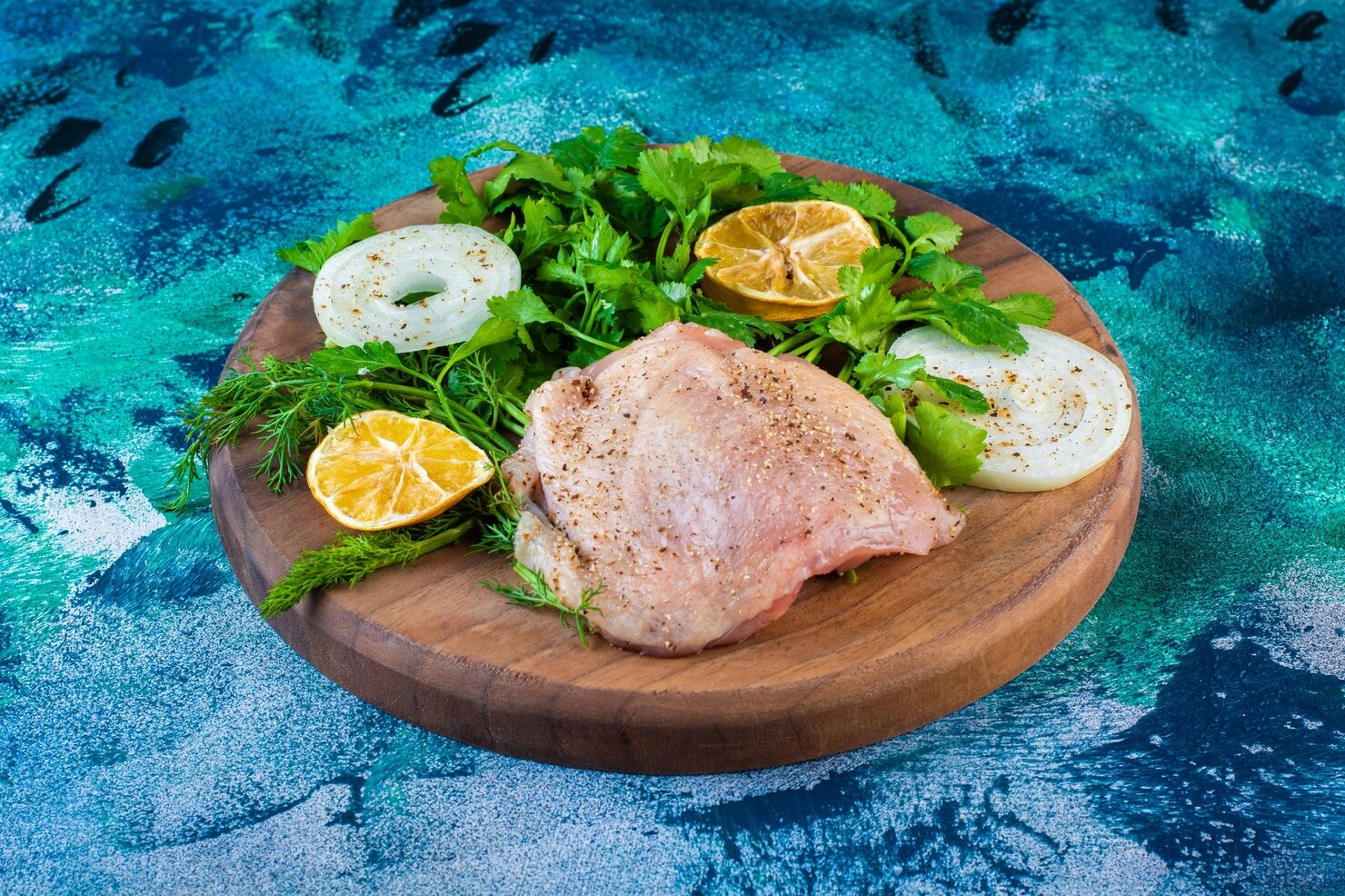
Basic Information
- Name: Ground Turkey, 93% Lean / 7% Fat, Raw
- Scientific Name: Meleagris gallopavo
- Category: Poultry
- Varieties: Typically derived from domesticated turkey breeds, with variations in fat content (e.g., 85% lean, 93% lean, 99% lean).
Nutritional Information (per 100g of raw ground turkey, 93% lean, 7% fat)
- Macronutrients:
- Carbohydrates: 0g
- Proteins: 19.7g
- Fats: 7.0g
- Micronutrients:
- Vitamin B6: 0.4mg (20% DV)
- Vitamin B12: 0.9µg (38% DV)
- Niacin (Vitamin B3): 7.6mg (48% DV)
- Selenium: 20.0µg (36% DV)
- Zinc: 2.0mg (18% DV)
- Phosphorus: 190mg (27% DV)
- Iron: 1.1mg (6% DV)
- Potassium: 240mg (5% DV)
- Sodium: 73mg (3% DV)
Phytonutrients
Ground turkey, especially when it is 93% lean and raw, contains various nutrients that contribute to its health benefits. While turkey primarily provides macronutrients, vitamins, and minerals, it also contains several bioactive compounds that can be classified as phytonutrients. Here is an overview of the key phytonutrients and bioactive compounds present in raw ground turkey:
1. Tryptophan
- Category: Amino Acid
- Benefits: Precursor to serotonin, which can enhance mood and promote better sleep. It is also involved in the production of niacin (Vitamin B3).
- Concentration: High; turkey is well-known for its significant tryptophan content.
2. Selenium
- Category: Mineral (trace element)
- Benefits: Powerful antioxidant properties, supports immune function, thyroid health, and may reduce the risk of certain cancers.
- Concentration: High; turkey is a rich source of selenium.
3. Zinc
- Category: Mineral
- Benefits: Important for immune function, DNA synthesis, wound healing, and cell division. Also plays a role in taste and smell.
- Concentration: Moderate to high; ground turkey provides a significant amount of zinc.
4. Niacin (Vitamin B3)
- Category: Vitamin (B-complex)
- Benefits: Supports metabolic processes, DNA repair, and skin health. It also helps in converting food into energy.
- Concentration: High; turkey is a good source of niacin.
5. Vitamin B6 (Pyridoxine)
- Category: Vitamin (B-complex)
- Benefits: Crucial for protein metabolism, cognitive development, and the production of neurotransmitters and red blood cells.
- Concentration: High; ground turkey is rich in Vitamin B6.
6. Vitamin B12 (Cobalamin)
- Category: Vitamin (B-complex)
- Benefits: Essential for nerve function, DNA synthesis, and the production of red blood cells. Supports brain health and prevents megaloblastic anemia.
- Concentration: Moderate to high; an important nutrient in turkey meat.
7. Phosphorus
- Category: Mineral
- Benefits: Essential for the formation of bones and teeth, helps in the utilization of carbohydrates and fats, and is necessary for the production of protein for growth, maintenance, and repair of cells and tissues.
- Concentration: High; ground turkey is a good source of phosphorus.
8. Choline
- Category: Water-Soluble Compound
- Benefits: Important for liver function, normal brain development, nerve function, muscle movement, and supporting energy levels.
- Concentration: Moderate; present in turkey meat.
9. Creatine
- Category: Nitrogenous Organic Acid
- Benefits: Helps supply energy to cells, particularly muscle cells. Often associated with improved exercise performance and muscle mass.
- Concentration: Moderate; found in animal proteins, including turkey.
10. Carnosine
- Category: Dipeptide (made from beta-alanine and histidine)
- Benefits: Acts as an antioxidant, buffering the pH in muscles and reducing fatigue during high-intensity exercise.
- Concentration: Moderate; present in turkey meat.
These nutrients and compounds collectively contribute to the health benefits associated with consuming ground turkey, such as supporting muscle growth and repair, enhancing mood and sleep quality, boosting immune function, and providing antioxidant protection. Ground turkey’s nutrient density makes it a valuable part of a balanced diet, especially for those seeking lean protein sources.
Calorie Count and Glycemic Index
- Calorie Count: 144 kcal
- Glycemic Index: 0 (contains no carbohydrates)
Physical Characteristics
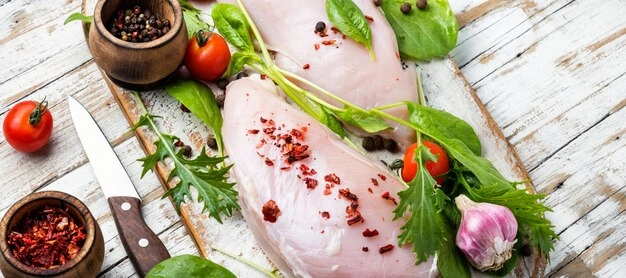
- Color: Pink to light red when raw.
- Shape: Typically sold in bulk or pre-formed patties.
- Size: Varies depending on packaging, often ground into small, uniform pieces.
- Texture: Smooth and slightly sticky when raw.
Culinary Uses
- Common Dishes: Meatballs, burgers, meatloaf, tacos, stir-fries, and casseroles.
- Preparation Methods: Can be pan-fried, grilled, baked, or incorporated into various recipes.
- Suitable Pairings: Garlic, onions, bell peppers, tomatoes, spices like cumin and chili powder, herbs like parsley and cilantro, as well as grains like rice and quinoa.
Geographical Information
- Origin: Turkeys are native to North America. The use of ground turkey as a meat product became popular as a leaner alternative to ground beef.
- Primary Growing Regions: United States, particularly in states like Minnesota, North Carolina, and Arkansas. Also produced in Canada, Brazil, and some European countries.
- Seasonal Availability: Available year-round, commonly found in supermarkets as fresh or frozen products.
Ground turkey is valued for its versatility and is often chosen as a leaner alternative to ground beef, suitable for various dishes and cooking methods.
| Proximates: | |
| Nitrogen | 0.16 g |
| Protein | 0.98 g |
| Total lipid (fat) | 0.2 g |
| Ash | 0.54 g |
| Carbohydrates: | |
| Fiber, total dietary | 0.8 g |
| Minerals: | |
| Calcium, Ca | 21 mg |
| Iron, Fe | 0.19 mg |
| Magnesium, Mg | 15.3 mg |
| Phosphorus, P | 33 mg |
| Potassium, K | 226 mg |
| Sodium, Na | <2.5 mg |
| Zinc, Zn | 0.26 mg |
| Copper, Cu | 0.064 mg |
| Manganese, Mn | 0.149 mg |
| Proximates: | |
| Nitrogen | 0.16 g |
| Protein | 0.98 g |
| Total lipid (fat) | 0.2 g |
| Ash | 0.54 g |
| Carbohydrates: | |
| Fiber, total dietary | 0.8 g |
| Minerals: | |
| Calcium, Ca | 21 mg |
| Iron, Fe | 0.19 mg |
| Magnesium, Mg | 15.3 mg |
| Phosphorus, P | 33 mg |
| Potassium, K | 226 mg |
| Sodium, Na | <2.5 mg |
| Zinc, Zn | 0.26 mg |
| Copper, Cu | 0.064 mg |
| Manganese, Mn | 0.149 mg |