
Basic Information
- Common Name: Pumpkin Seeds, Pepitas
- Scientific Name: Cucurbita spp.
- Category: Seeds/Nuts
- Varieties: Pumpkin seeds can vary slightly based on the pumpkin variety they come from, but the most common type consumed is from certain varieties of squash and pumpkin that produce hull-less seeds, making them easier to eat.
Nutritional Information
- Macronutrients (per 28 grams or 1 ounce of raw pumpkin seeds):
- Carbohydrates: About 18.7 grams, including 5.1 grams of dietary fiber.
- Proteins: Approximately 29.9 grams.
- Fats: 40 grams, predominantly unsaturated fats (including omega-6 fatty acids).
- Micronutrients: Rich in magnesium, zinc, and phosphorus. They also provide iron, copper, and manganese, along with vitamins such as vitamin K, B vitamins (especially folate), and traces of vitamin E.
- Calorie Count: Roughly 158 calories per ounce.
- Glycemic Index: Low; pumpkin seeds have minimal impact on blood sugar levels.
Phytonutrients
Raw pumpkin seeds (pepitas) are a nutritional powerhouse, packed with a variety of phytonutrients that offer numerous health benefits. These compounds contribute to the seeds’ antioxidant, anti-inflammatory, and overall health-promoting properties. Here’s an overview of the key phytonutrients present in raw pumpkin seeds:
1. Carotenoids
- Type: Including beta-carotene and zeaxanthin.
- Benefits: Carotenoids are known for their antioxidant properties, supporting eye health and reducing the risk of certain chronic diseases.
2. Vitamin E
- Type: Pumpkin seeds contain multiple forms of Vitamin E, including gamma-tocopherol.
- Benefits: Vitamin E acts as a powerful antioxidant, protecting cells from oxidative stress and supporting skin health.
3. Phenolic Acids
- Types: Such as ferulic, vanillic, and syringic acids.
- Benefits: These compounds have antioxidant properties, contributing to the reduction of inflammation and protection against various diseases.
4. Phytosterols
- Type: Including beta-sitosterol.
- Benefits: Phytosterols are known for their cholesterol-lowering effects and potential to enhance immune function.
5. Tryptophan
- Type: An essential amino acid that serves as a precursor to serotonin.
- Benefits: While not a phytonutrient, tryptophan’s presence in pumpkin seeds is notable for its role in promoting sleep and overall mental well-being.
6. Omega-3 and Omega-6 Fatty Acids
- Type: Polyunsaturated fats.
- Benefits: Essential for heart health, brain function, and reducing inflammation. Pumpkin seeds contain a healthy balance of omega-3 and omega-6 fatty acids.
7. Magnesium and Zinc
- Type: Essential minerals with numerous health benefits.
- Benefits: Magnesium supports heart health and helps regulate blood pressure, while zinc is crucial for immune function, skin health, and DNA synthesis.
While raw pumpkin seeds are prized for their mineral and protein content, the presence of these phytonutrients and bioactive compounds enhances their nutritional profile, making them a valuable addition to the diet for their potential health benefits, including supporting heart health, immune function, and well-being.
Physical Characteristics
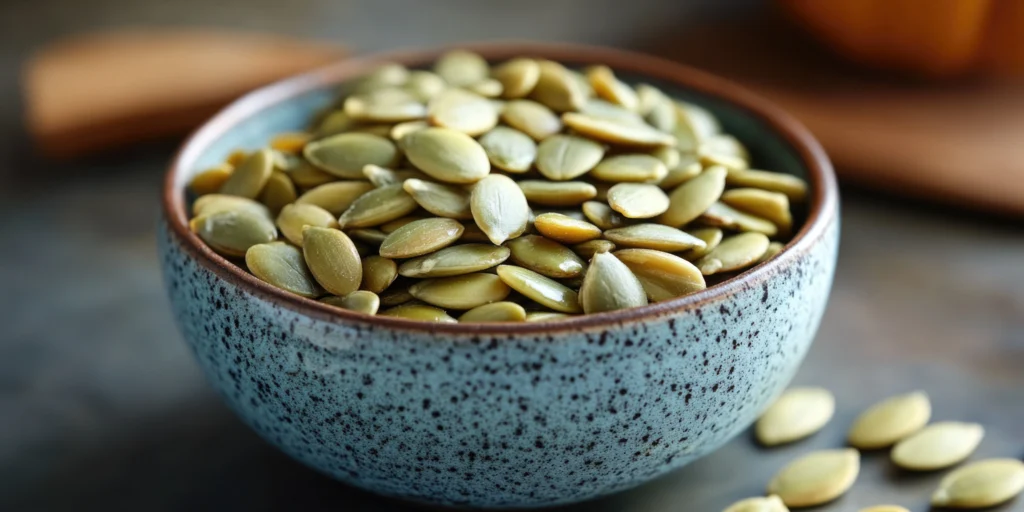
- Color: Light green, sometimes with a yellow hue, encased in a cream-white shell when not hull-less.
- Shape: Oval and flat.
- Size: About 1 to 2 centimeters long.
- Texture: Crunchy when raw or roasted, with a chewy interior.
Culinary Uses
- Common Dishes: Often eaten as a snack, roasted, or added to salads, bread, granola, and pesto. They can be ground into pumpkin seed butter or used as a garnish on soups and dishes.
- Preparation Methods: Can be roasted with or without seasonings, soaked, or sprouted. They’re also used raw in baking or as toppings.
- Suitable Pairings: Complements both sweet and savory flavors. Pairs well with autumnal spices like cinnamon and nutmeg, or savory spices such as garlic and cayenne pepper.
Geographical Information
- Origin: Native to the Americas, with archaeological evidence indicating their use in Mexico as far back as 7,000 B.C.
- Primary Growing Regions: While originally from the Americas, pumpkin seeds are now harvested from pumpkins grown worldwide, with China, India, Russia, Ukraine, and the United States among the top producers.
- Seasonal Availability: Seeds are harvested in late summer and autumn but are available year-round in stores.
Pumpkin seeds, or pepitas, offer a nutrient-rich snack or culinary additive, boasting a high content of beneficial fats, proteins, minerals, and vitamins. Their versatility in the kitchen and health benefits, such as supporting heart health, prostate health, and providing anti-inflammatory properties, make them a valuable addition to a balanced diet.
| Proximates: | |
| Water | 6.62 g |
| Energy (Atwater General Factors) | 555 kcal |
| Energy (Atwater Specific Factors) | 515 kcal |
| Nitrogen | 5.64 g |
| Protein | 29.9 g |
| Total lipid (fat) | 40 g |
| Ash | 4.77 g |
| Carbohydrates: | |
| Carbohydrate, by difference | 18.7 g |
| Fiber, total dietary | 5.1 g |
| Minerals: | |
| Calcium, Ca | 37 mg |
| Iron, Fe | 8.36 mg |
| Magnesium, Mg | 500 mg |
| Phosphorus, P | 1150 mg |
| Potassium, K | 691 mg |
| Sodium, Na | <2.5 mg |
| Zinc, Zn | 6.34 mg |
| Copper, Cu | 1.22 mg |
| Manganese, Mn | 4.12 mg |
| Selenium, Se | 20.5 µg |