
Basic Information
- Common Name: Iodized Table Salt
- Scientific Name: Sodium chloride (NaCl) with added iodine
- Category: Mineral/Seasoning
- Varieties: Table salt comes in various forms, including non-iodized, iodized, and sea salt. Iodized salt specifically contains a small amount of iodine, added to prevent iodine deficiency.
Nutritional Information
- Macronutrients: Iodized table salt is primarily composed of sodium chloride and does not contain carbohydrates, proteins, or fats.
- Micronutrients: The key nutrient in iodized table salt is iodine. The amount of iodine in iodized salt can vary, but it typically provides a significant portion of the recommended daily intake. Sodium is also a crucial electrolyte, important for maintaining fluid balance, nerve transmission, and muscle function.
- Calorie Count: 0 calories
- Glycemic Index: Not applicable, as it contains no carbohydrates.
Phytonutrients:
Iodized table salt does not contain phytonutrients. Phytonutrients, or phytochemicals, are natural compounds found in plants that are associated with various health benefits, including antioxidant, anti-inflammatory, and anti-carcinogenic properties. Since salt is a mineral product, not a plant-based food, it lacks phytonutrients.
However, iodized table salt is fortified with iodine, a vital micronutrient that supports thyroid health and regulates metabolism. The addition of iodine to table salt has been a significant public health measure to prevent iodine deficiency, which can lead to goiter, hypothyroidism, and cognitive impairments.
Key Component in Iodized Table Salt:
- Iodine: An essential mineral necessary for the production of thyroid hormones. These hormones are crucial for normal growth, neurological development, and metabolism regulation. Iodine in iodized salt is added in the form of potassium iodate or potassium iodide.
While iodized table salt does not offer the phytonutrients found in fruits and vegetables, its iodine content plays a critical role in preventing iodine deficiency disorders, underscoring the importance of this mineral in the diet.
Physical Characteristics
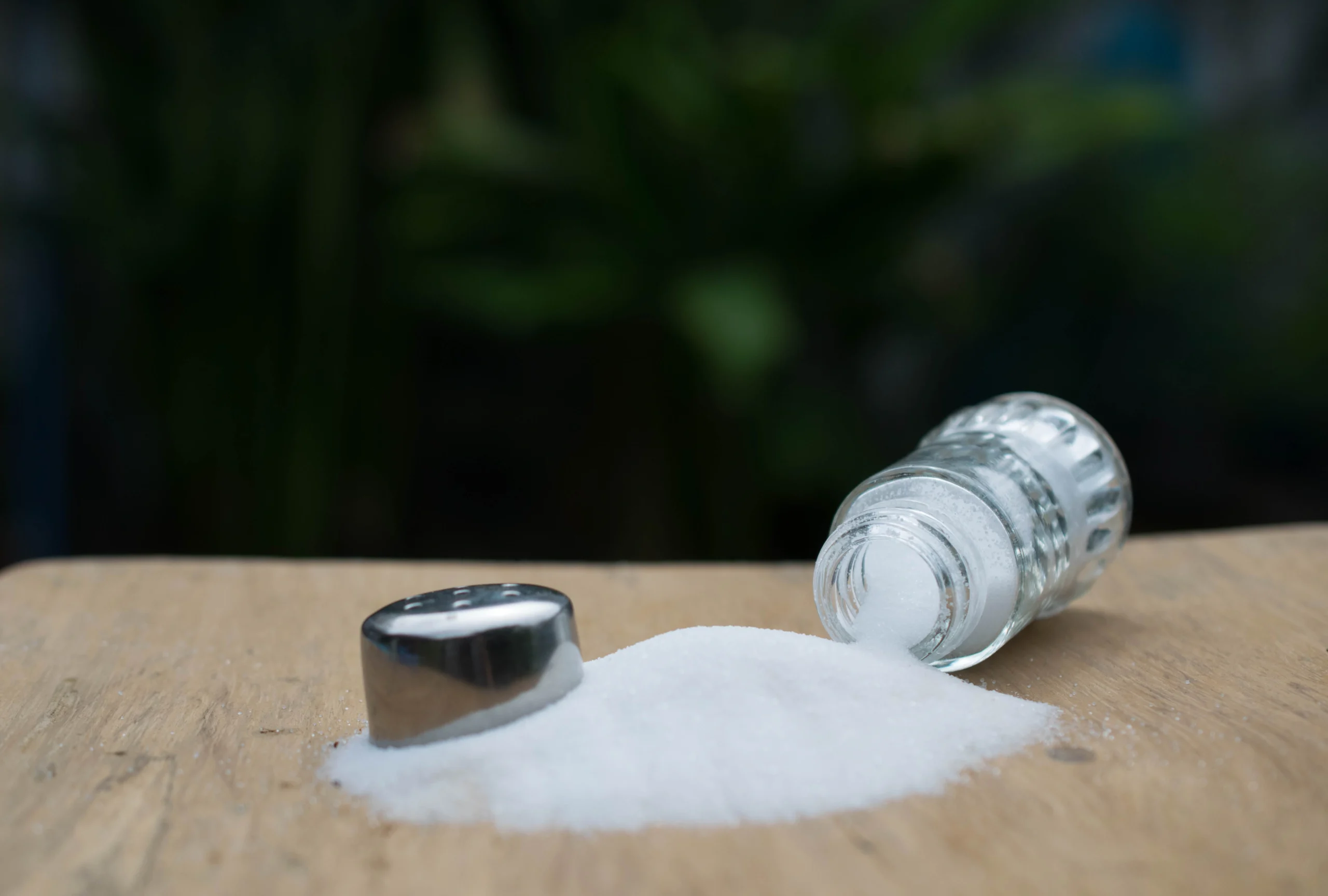
- Color: White, although the exact shade can vary slightly depending on the processing and any additional anti-caking agents.
- Shape: Granulated or fine crystals.
- Size: The crystal size can vary but is typically fine enough to be easily sprinkled by hand or with a shaker.
- Texture: Dry, granular, and free-flowing, unless exposed to moisture.

Culinary Uses
Iodized table salt is versatile and widely used in cooking and food preparation:
- Common Dishes: Used in virtually every cuisine worldwide to enhance flavor in dishes, from soups and sauces to baked goods and desserts.
- Preparation Methods: Can be added during cooking to season dishes, dissolved into cooking water for pasta or vegetables, or used as a finishing salt.
- Suitable Pairings: Salt pairs well with nearly all savory and sweet dishes, enhancing the natural flavors of the ingredients.
Geographical Information
- Origin: The addition of iodine to table salt is a relatively recent innovation, introduced in the early 20th century to combat iodine deficiency disorders.
- Primary Growing Regions: Salt is produced globally through the evaporation of seawater or the mining of rock salt. Iodized salt is available in many countries, especially those where iodine deficiency is a recognized public health issue.
- Seasonal Availability: Available year-round.
Iodized table salt is an essential seasoning in culinary arts and an important source of dietary iodine, crucial for thyroid function and overall health. Its widespread availability and use have significantly contributed to reducing iodine deficiency disorders globally.
| Proximates: | |
| Water | 0.42 g |
| Energy (Atwater General Factors) | 0 kcal |
| Ash | 99 g |
| Minerals: | |
| Calcium, Ca | 50 mg |
| Iron, Fe | 0 mg |
| Magnesium, Mg | 0 mg |
| Phosphorus, P | 0 mg |
| Potassium, K | 2 mg |
| Sodium, Na | 38700 mg |
| Zinc, Zn | 0 mg |
| Copper, Cu | 0 mg |
| Manganese, Mn | 0.032 mg |
| Iodine, I | 5080 µg |