
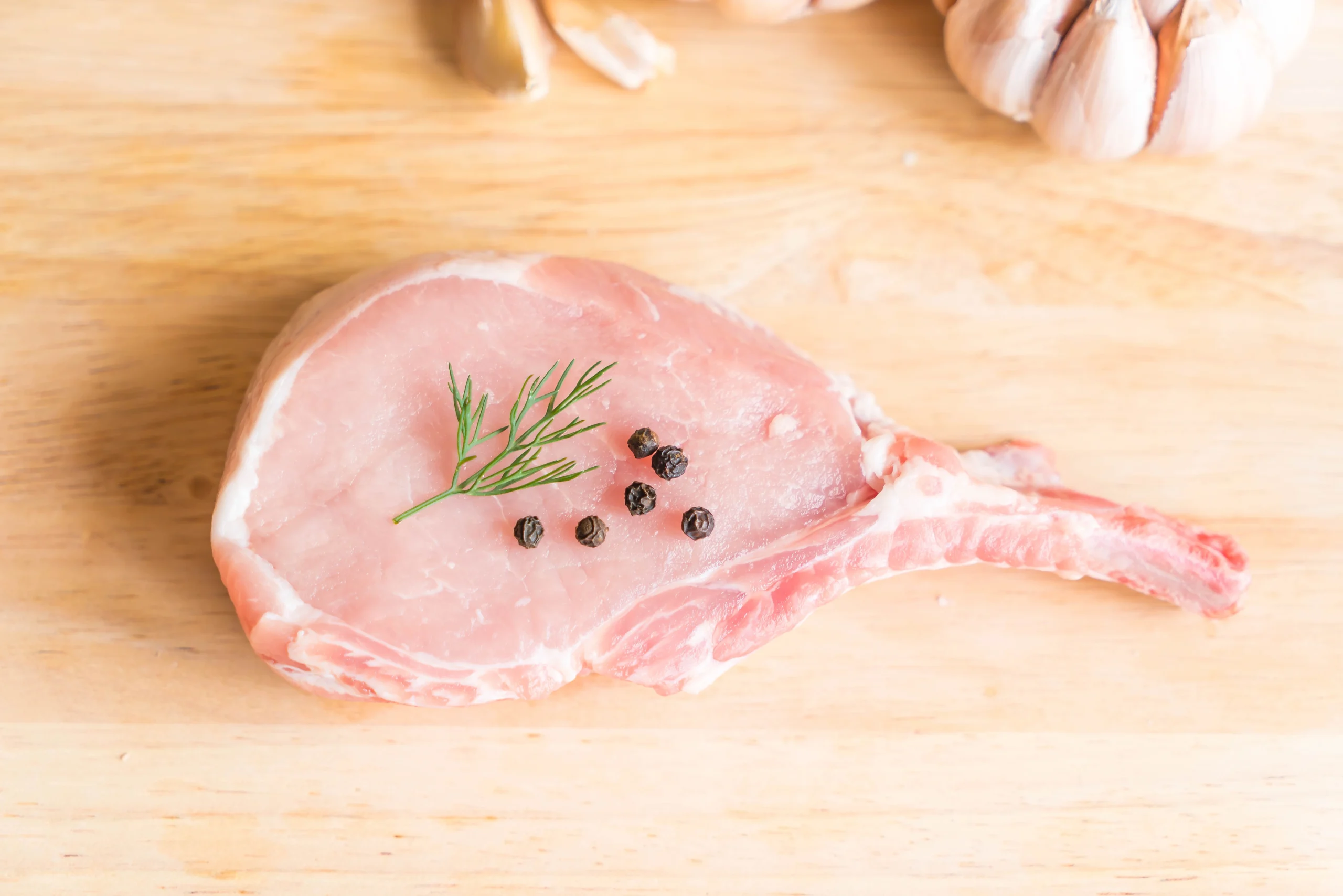
The pork tenderloin, a premium cut known for its tenderness and lean quality, comes from the muscle along the central spine of the pig, beneath the backbone. It is one of the most tender cuts of pork, highly prized in culinary circles.
Basic Information
- Common Name: Pork Tenderloin
- Scientific Name: Sus scrofa domesticus
- Category: Meat
- Varieties: The pork tenderloin itself is a specific cut with no further varieties, though preparation and culinary uses can vary widely.
Nutritional Information
- Macronutrients: Pork tenderloin is one of the leanest cuts of pork, high in protein and low in fat. A 3-ounce (85 grams) serving of cooked, lean pork tenderloin contains about 21.6 grams of protein and 3,9 grams of fat.
- Micronutrients: It is a good source of B vitamins, especially B1 (thiamine), B2 (riboflavin), B3 (niacin), B6, and B12, which are crucial for energy metabolism and neurological health. It also provides minerals like selenium, phosphorus, zinc, and iron.
Phytonutrients
Pork loin tenderloin, like other animal products, does not contain phytonutrients, as these compounds are specific to plants. Phytonutrients, or phytochemicals, are natural compounds produced by plants that contribute to their color, taste, and resistance to diseases and pests. They are known for their potential health benefits in humans, including antioxidant, anti-inflammatory, and anti-carcinogenic properties. Since pork tenderloin is an animal-derived food, it lacks these plant-based compounds.
However, pork tenderloin is nutritionally valuable for its high-quality protein, vitamins, and minerals that are essential for human health. Here’s a recap of the nutritional components found in boneless, raw pork tenderloin:
Nutritional Components in Pork Loin Tenderloin
- Protein: Pork tenderloin is an excellent source of lean protein, which is crucial for muscle repair and growth, immune function, and the production of enzymes and hormones.
- Fats: This cut is one of the leanest pork cuts, with a relatively low fat content. The fats present are a mix of saturated and unsaturated fats, important for energy and cell function.
- Vitamins:
- B Vitamins: Rich in Thiamin (B1), Riboflavin (B2), Niacin (B3), Vitamin B6, and Vitamin B12, which support energy production, neurological function, and red blood cell formation.
- Minerals:
- Selenium: An essential mineral with antioxidant properties that help protect cells from damage.
- Zinc: Important for immune function, wound healing, DNA synthesis, and cell division.
- Phosphorus: Vital for healthy bones and teeth and plays a role in how the body uses carbohydrates and fats.
- Iron: Contains heme iron, which is more efficiently absorbed by the body than non-heme iron found in plant sources, crucial for oxygen transport in the blood.
Health Considerations
While pork tenderloin does not provide phytonutrients due to its animal origin, it is a nutritious option that contributes valuable nutrients to the diet. It’s particularly noted for being a lean source of protein and a good way to intake essential minerals and B vitamins. To balance your diet and ensure a wide range of nutrients, including those phytonutrients absent in animal products, it’s beneficial to consume a variety of fruits, vegetables, whole grains, and legumes alongside lean meats like pork tenderloin. This approach ensures you get the full spectrum of nutrients required for optimal health.
Calorie Count and Glycemic Index
- Calorie Count: A 3-ounce serving has approximately 119 calories.
- Glycemic Index: As a protein source, pork tenderloin has a glycemic index of 0.
Physical Characteristics
- Color: Raw pork tenderloin is pale pink to light red.
- Shape: It is a long, thin cut, typically cylindrical or slightly tapered at one end.
- Size: Pork tenderloins usually weigh between ¾ to 1 ½ pounds (340 to 680 grams).
- Texture: The meat is fine-grained and very tender, with a minimal amount of fat.
Culinary Uses
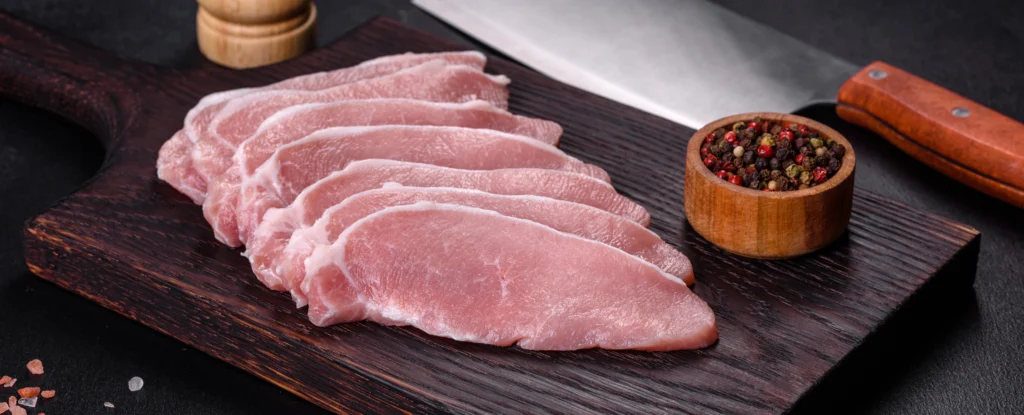
- Common Dishes: Pork tenderloin can be roasted, grilled, sautéed, or broiled whole. It’s also often sliced into medallions for quick cooking methods.
- Preparation Methods: It can be marinated or rubbed with spices to enhance flavor before cooking. Due to its lean nature, care must be taken not to overcook it, which can result in a dry texture.
- Suitable Pairings: Pork tenderloin pairs well with a variety of flavors, from fruit-based sauces like apple or peach salsa to savory herbs and spices like rosemary, garlic, or mustard. It also matches well with a wide range of side dishes, including roasted vegetables, mashed potatoes, and grain salads.
Geographical Information
- Origin: Domestic pigs (Sus scrofa domesticus) have been bred for meat production for thousands of years, with archaeological evidence indicating domestication as far back as 5000 BC in China and the Near East.
- Primary Growing Regions: While pork is produced worldwide, leading producers include China, the European Union, the United States, and Brazil.
- Seasonal Availability: Pork tenderloin is available year-round due to the global nature of pork production and distribution.
The pork tenderloin stands out for its exceptional tenderness and lean profile, making it a favorite for both everyday meals and special occasions. Its nutritional profile supports a healthy diet, particularly for those looking to increase protein intake without a lot of fat.
| proximates: | |
| Water | 73.9 g |
| Energy (Atwater General Factors) | 119 kcal |
| Energy (Atwater Specific Factors) | 125 kcal |
| Nitrogen | 3.45 g |
| Protein | 21.6 g |
| Total lipid (fat) | 3.9 g |
| Ash | 1.18 g |
| Minerals: | |
| Calcium, Ca | 5 mg |
| Iron, Fe | 0.93 mg |
| Magnesium, Mg | 24.7 mg |
| Phosphorus, P | 217 mg |
| Potassium, K | 397 mg |
| Sodium, Na | 41 mg |
| Zinc, Zn | 1.77 mg |
| Copper, Cu | 0.077 mg |
| Manganese, Mn | 0.003 mg |
| Lipids: | |
| Fatty acids, total saturated | 0.866 g |
| Fatty acids, total monounsaturated | 0.862 g |
| Fatty acids, total polyunsaturated | 0.418 g |
| Fatty acids, total trans | 0.01 g |
| Cholesterol | 60 mg |