

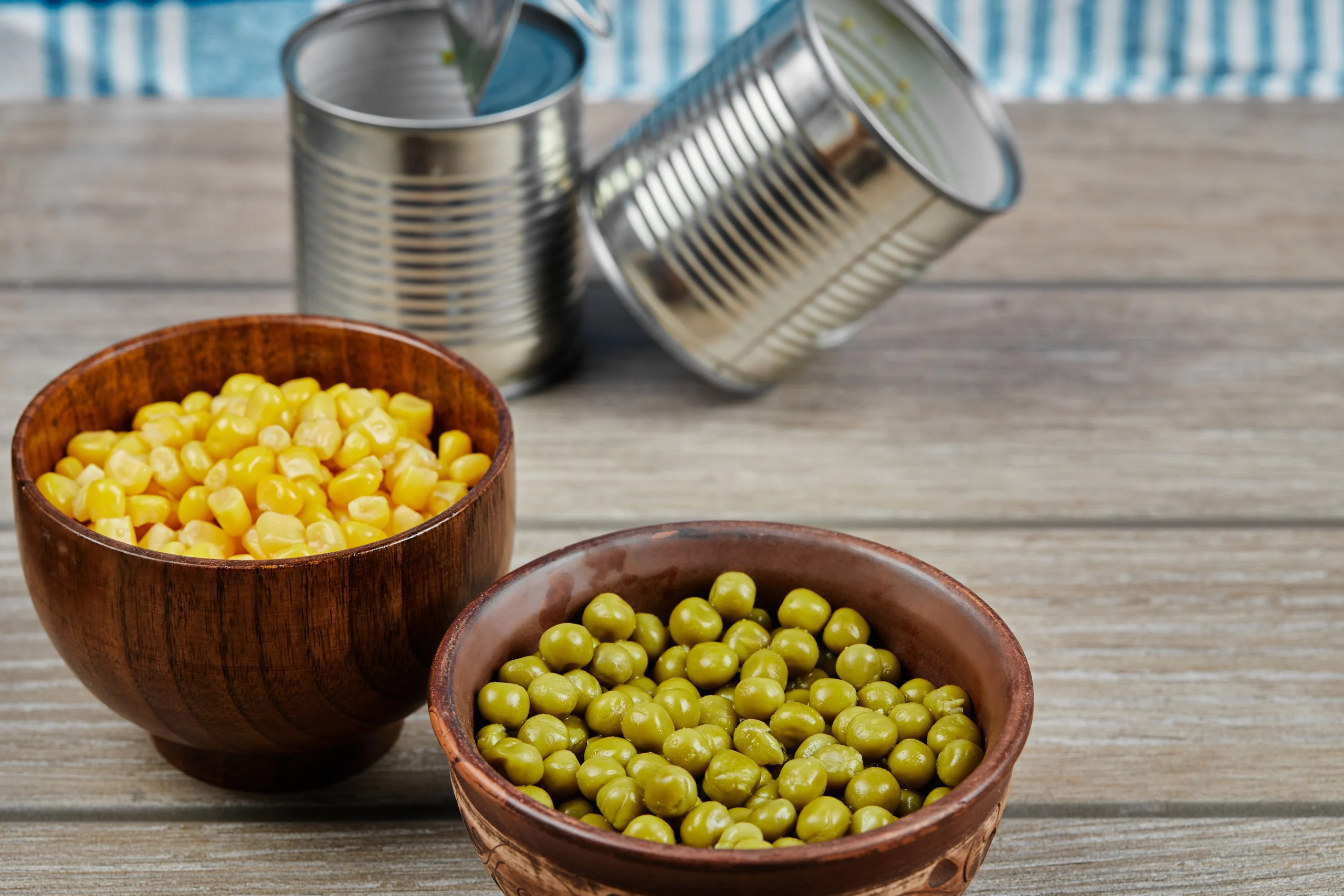
Providing detailed information specifically for green, sweet peas that are canned with added sodium and sugar, then drained and rinsed, is a bit specific and might not match exactly available nutritional data. However, I can give you a comprehensive overview based on general knowledge about canned sweet green peas, which might slightly vary depending on the brand and specific treatment (like added sodium and sugar).
Basic Information
- Common Name: Canned Sweet Green Peas
- Scientific Name: Pisum sativum
- Category: Vegetable
Varieties
While there are not specific “varieties” in the context of canned peas, green peas themselves come from the garden pea plant and are harvested for their small, sweet seed found inside the pod.
Nutritional Information
For canned sweet green peas, nutritional values can vary, especially with added ingredients like sodium (salt) and sugar. Here’s a general overview based on typical canned green peas:
- Macronutrients:
- Carbohydrates: Approximately 12.7g per 100g, including dietary fiber (4-5g) and sugars (added and natural).
- Proteins: About 4.73g per 100g.
- Fats: Very low, around 1.15g per 100g.
- Micronutrients: Good source of Vitamin A, Vitamin C, some B-vitamins (like folate), iron, and magnesium.
Phytonutrients
Canned sweet green peas, even with added sodium and sugar, retain many of the phytonutrients found in fresh peas, albeit potentially in altered quantities due to the canning process. Draining and rinsing them can help reduce the added sodium and sugar but may also slightly reduce water-soluble vitamins and phytonutrients. Here’s an overview of the key phytonutrients present in green peas:
Carotenoids
- Lutein and Zeaxanthin: These carotenoids are important for eye health, helping to protect the eyes from oxidative damage and reduce the risk of age-related macular degeneration.
Phenolic Compounds
- Coumestrol: A phytoestrogen with potential antioxidant properties, which may contribute to the reduction of chronic disease risk.
- Ferulic Acid: An antioxidant that helps neutralize free radicals, potentially protecting against chronic diseases and reducing inflammation.
Saponins
- Found in peas, saponins have antioxidant and anti-inflammatory properties. They might also contribute to peas’ potential to lower cholesterol levels.
Flavonoids
- Catechin and Epicatechin: These are flavonoids with antioxidant properties that may help reduce the risk of chronic diseases.
Vitamins and Minerals
While not phytonutrients, peas are also a source of essential vitamins and minerals, including:
- Vitamin C: An antioxidant important for the immune system and skin health.
- Vitamin K: Essential for blood clotting and bone health.
- Vitamin A (from beta-carotene): Important for vision, immune function, and skin health.
- B-Vitamins: Including folate, which is important for cell division and the synthesis of DNA, making it particularly important during periods of rapid growth such as pregnancy and infancy.
Health Benefits of Phytonutrients in Peas
The phytonutrients in green peas contribute to a variety of health benefits:
- Antioxidant Activity: Helps protect the body’s cells from damage by free radicals, potentially reducing the risk of chronic diseases such as heart disease and cancer.
- Anti-inflammatory Effects: Can reduce inflammation in the body, potentially helping to manage inflammatory conditions.
- Heart Health: Certain phytonutrients in peas can contribute to heart health by helping to lower cholesterol levels.
- Eye Health: Lutein and zeaxanthin play a critical role in protecting the eyes and may help reduce the risk of age-related macular degeneration.
Even though canned peas with added sodium and sugar might not be as nutrient-dense as fresh or frozen peas, they still offer a range of phytonutrients. Draining and rinsing can help mitigate the added sodium and sugar while still providing a convenient source of these beneficial compounds.

Calorie Count and Glycemic Index
- Calorie Count: Roughly 80 calories per 100g, varying with added sugar.
- Glycemic Index: Generally low to medium, but added sugars can affect the GI value.
Physical Characteristics
- Color: Bright to dull green, depending on processing.
- Shape: Small, round.
- Size: Typically about 0.25 to 0.5 inches in diameter.
- Texture: Soft and somewhat mushy after being canned and cooked.
Culinary Uses
Canned sweet green peas are versatile and can be used directly from the can, after draining and rinsing, in various dishes:
- Salads: Added for a sweet pop of flavor and color.
- Side Dishes: Mixed with other vegetables or alone, seasoned to taste.
- Soups and Stews: As an ingredient for extra texture and sweetness.
- Pasta and Rice Dishes: For added nutrition and color.
Rinsing canned peas can help reduce the added sodium content, while draining them can lower the overall sugar content, making them a healthier addition to meals.
Geographical Information
- Origin: Peas are believed to have originated in the Middle East and Central Asia, with archaeological findings dating back thousands of years.
- Primary Growing Regions: Today, peas are grown worldwide, with major production in India, China, Europe, and the United States.
- Seasonal Availability: Fresh peas are typically available in the spring and early summer, but canned peas are available year-round.
Canned sweet green peas, especially those with added sodium and sugar, provide a convenient and quick vegetable option for various culinary uses. However, for health-conscious individuals, it’s important to consider the added ingredients and opt for rinsing and draining to mitigate their impact.
| proximates: | |
| Water | 80.5 g |
| Energy (Atwater General Factors) | 80 kcal |
| Energy (Atwater Specific Factors) | 78 kcal |
| Nitrogen | 0.76 g |
| Protein | 4.73 g |
| Total lipid (fat) | 1.15 g |
| Ash | 0.88 g |
| Carbohydrates: | |
| Carbohydrate, by difference | 12.7 g |
| Total dietary fiber (AOAC 2011.25) | 5.95 g |
| Starch | 4.48 g |
| Minerals: | |
| Calcium, Ca | 28 mg |
| Iron, Fe | 1.14 mg |
| Magnesium, Mg | 21.9 mg |
| Phosphorus, P | 78 mg |
| Potassium, K | 109 mg |
| Sodium, Na | 207 mg |
| Zinc, Zn | 0.71 mg |
| Copper, Cu | 0.123 mg |
| Manganese, Mn | 0.285 mg |