
Basic Information
Name: Commonly known as Soybean Oil. The scientific name for the soybean plant is Glycine max.
Category: Soybean oil is categorized as a vegetable oil.
Varieties: While the primary product is soybean oil, it can be found in several forms based on the processing method:
- Refined soybean oil, which is neutral in flavor and suitable for high-heat cooking.
- Unrefined or cold-pressed soybean oil, which may retain more of the soybean’s flavor and nutrients but has a lower smoke point.
Nutritional Information
- Macronutrients: Soybean oil is high in fats, predominantly polyunsaturated fatty acids, including linoleic acid (omega-6) and alpha-linolenic acid (omega-3), in a ratio of about 7:1. It also contains monounsaturated fats and low levels of saturated fats.
- Micronutrients: Soybean oil is a significant source of vitamin E, a fat-soluble antioxidant that protects the body from oxidative stress. It also contains small amounts of vitamins K and choline.
Phytonutrients
Soybean oil, extracted from the seeds of Glycine max, is predominantly known for its nutritional profile rich in essential fatty acids. However, it also contains several phytonutrients that contribute to its health benefits. The processing of soybean oil can affect the concentration of these phytonutrients, with cold-pressed or unrefined oils generally retaining more of these beneficial compounds compared to refined oils. Here are the key phytonutrients present in soybean oil:
1. Tocopherols (Vitamin E)
- Key Components: Soybean oil is a significant source of vitamin E, particularly alpha-tocopherol, which acts as a powerful antioxidant. This vitamin helps protect cells from oxidative stress and supports immune function.
- Health Implications: The antioxidant properties of tocopherols can help prevent cardiovascular disease and support overall health by neutralizing free radicals.
2. Phytosterols
- Cholesterol-Lowering Effects: Soybean oil contains phytosterols, such as beta-sitosterol, campesterol, and stigmasterol, which are known for their ability to lower LDL (bad) cholesterol levels by inhibiting its absorption in the intestine.
- Types and Benefits: The presence of these compounds makes soybean oil beneficial for heart health, potentially reducing the risk of heart disease.
3. Polyunsaturated Fatty Acids
- Omega-3 and Omega-6 Fatty Acids: Soybean oil is rich in linoleic acid (omega-6) and alpha-linolenic acid (omega-3), essential fatty acids that play a crucial role in brain function and normal growth and development.
- Balance and Health Impact: The ratio of omega-6 to omega-3 fatty acids in soybean oil is considered to be healthier than in many other vegetable oils, contributing to anti-inflammatory effects and supporting cardiovascular health.
4. Isoflavones
- Antioxidant and Estrogenic Activity: Although present in lower amounts than in whole soybeans, soybean oil can contain trace amounts of isoflavones, such as genistein and daidzein. These compounds have antioxidant properties and can mimic estrogen, potentially offering benefits such as reduced risk of heart disease and certain cancers, though the concentration in the oil might be too low to have a significant impact.
Health Benefits
The phytonutrients in soybean oil contribute to its health benefits, which include promoting heart health, reducing cholesterol levels, and providing antioxidant protection. However, it’s important to consume soybean oil as part of a balanced diet, considering the broader context of dietary patterns and health goals.
Considerations
While soybean oil offers nutritional benefits, its consumption should be balanced with other sources of fats, particularly those rich in omega-3 fatty acids, to maintain a healthy omega-6 to omega-3 ratio. Additionally, individuals with soy allergies should approach soybean oil with caution, especially unrefined varieties that may contain more soy proteins.

Calorie Count and Glycemic Index
- Calorie Count: Approximately 884 calories per 100 grams, or about 120 calories per tablespoon (13.5 grams).
- Glycemic Index: As a pure fat source, soybean oil has no carbohydrates and therefore no glycemic index.
Physical Characteristics
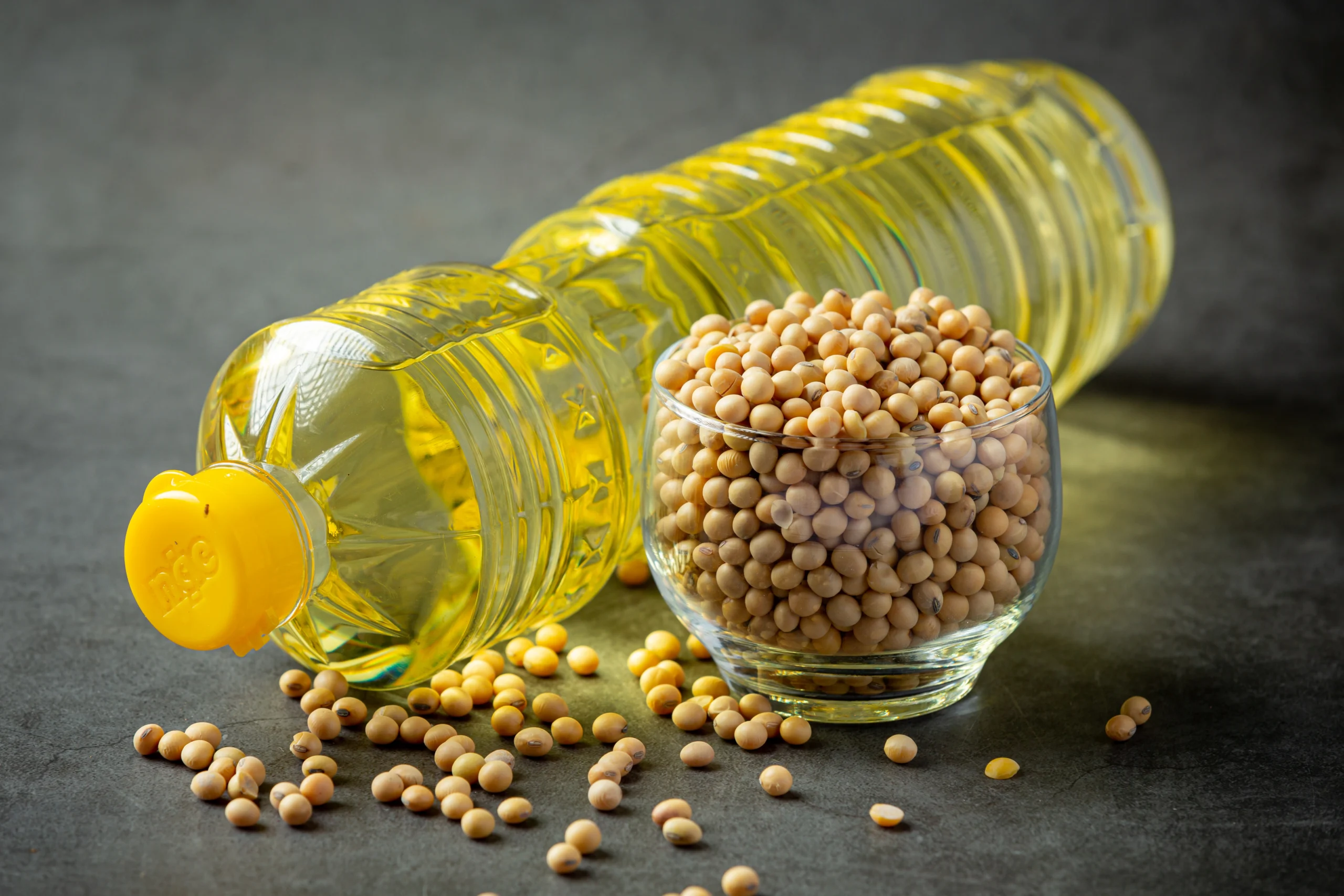
- Color: Light to medium yellow, though refined soybean oil is often very light in color.
- Shape: As a liquid, it assumes the shape of its container.
- Size: Available in various sizes, from small bottles for household use to large containers for food service and industrial use.
- Texture: It has a smooth, liquid texture at room temperature.
Culinary Uses
- Common Dishes: Soybean oil is widely used for frying, baking, and as an ingredient in processed foods. It’s also a common base for mayonnaise and salad dressings due to its neutral flavor.
- Preparation Methods: Can be used directly from the bottle for cooking or as a component in dressings and sauces.
- Suitable Pairings: Its mild taste makes it versatile for pairing with any ingredients without altering their flavor profile.
Geographical Information
- Origin: The soybean plant is native to East Asia, with a long history of cultivation in China dating back thousands of years.
- Primary Growing Regions: Today, the largest producers of soybeans are the United States, Brazil, and Argentina, making these countries also the primary sources of soybean oil.
- Seasonal Availability: Soybean oil is available year-round due to the extensive cultivation and processing infrastructure in major producing countries.
| proximates: | |
| Total fat (NLEA) | 94.6 g |
| Vitamins and Other Components: | |
| Vitamin E (alpha-tocopherol) | 12.2 mg |
| Tocopherol, beta | 1.8 mg |
| Tocopherol, gamma | 70.4 mg |
| Tocopherol, delta | 22 mg |
| Tocotrienol, beta | 1.6 mg |
| Lipids: | |
| Fatty acids, total saturated | 14.9 g |
| SFA 14:0 | 0.075 g |
| SFA 15:0 | 0.014 g |
| SFA 16:0 | 10.3 g |
| SFA 17:0 | 0.086 g |
| SFA 18:0 | 3.71 g |
| SFA 20:0 | 0.294 g |
| SFA 21:0 | 0.025 g |
| SFA 22:0 | 0.306 g |
| SFA 24:0 | 0.124 g |
| Fatty acids, total monounsaturated | 22.1 g |
| MUFA 16:1 c | 0.08 g |
| MUFA 18:1 c | 21.4 g |
| MUFA 20:1 c | 0.6 g |
| Fatty acids, total polyunsaturated | 57.6 g |
| PUFA 18:2 c | 50.9 g |
| PUFA 18:2 n-6 c,c | 50.9 g |
| PUFA 18:3 c | 6.62 g |
| PUFA 18:3 n-3 c,c,c (ALA) | 6.62 g |
| Phytosterols: | |
| Stigmasterol | 55.4 mg |
| Campesterol | 58 mg |
| Beta-sitosterol | 153 mg |
| Campestanol | 2.15 mg |
| Beta-sitostanol | 5.62 mg |
| Delta-5-avenasterol | 10.5 mg |
| Phytosterols, other | 20.8 mg |