
Basic Information
Name: Commonly referred to as Steel Cut Oats. Scientifically, they belong to the species Avena sativa.
Category: Grain or cereal grain.
Varieties: While this focuses on steel cut oats, it’s worth noting that oats come in several forms, including whole oat groats, rolled oats (old-fashioned), quick oats, and instant oats. Steel cut oats are essentially whole oat groats that have been cut into two or three pieces with a steel blade.
Nutritional Information
- Macronutrients: Steel cut oats are rich in carbohydrates, primarily complex carbohydrates, which provide a slow and steady source of energy. They contain a moderate amount of protein and a low amount of fat. They are particularly noted for their high fiber content, especially soluble fiber, which can help lower cholesterol.
- Carbohydrates: 69.8 g.
- Proteins: 12.5 g.
- Fats: 5.8 g.
- Micronutrients: Steel cut oats are a good source of B vitamins, including thiamin, folate, and pantothenic acid. They also contain minerals such as iron, magnesium, phosphorus, zinc, and manganese.
Phytonutrients
Steel cut oats, like other forms of whole grain oats (Avena sativa), are a rich source of beneficial phytonutrients. These bioactive compounds contribute to the health-promoting properties of oats, offering antioxidant, anti-inflammatory, and potentially anti-cancer benefits. Here is a detailed overview of the phytonutrients found in whole grain steel cut oats:
1. Beta-Glucan
- Primary Phytonutrient: Beta-glucan is a soluble fiber with significant health benefits, including lowering LDL cholesterol, regulating blood sugar levels, and enhancing immune response. It’s recognized for its role in improving heart health and supporting weight management.
2. Avenanthramides
- Unique to Oats: Avenanthramides are antioxidants exclusive to oats, known for their anti-inflammatory and anti-itching properties. They may help lower blood pressure by increasing nitric oxide production, which improves arterial flexibility and circulation.
3. Phenolic Acids
- Antioxidants: Oats contain several phenolic acids, including ferulic acid, caffeic acid, and p-coumaric acid. These compounds offer antioxidant protection, helping to neutralize free radicals and reduce oxidative stress, which is linked to chronic diseases such as cancer and heart disease.
4. Phytic Acid
- Mineral Binding and Antioxidant: While phytic acid can bind minerals and affect their absorption, it also acts as an antioxidant. It has been studied for its potential protective effects against kidney stones and certain types of cancer.
5. Tocols
- Vitamin E Family: Tocols, including tocopherols and tocotrienols, are found in oats and are part of the vitamin E family. They provide antioxidant benefits, protecting cells from damage and supporting overall health.
6. Saponins
- Immune-Boosting: Saponins in oats have immune-enhancing properties and contribute to the cholesterol-lowering effects, thanks to their ability to bind to bile acids and cholesterol, facilitating their excretion from the body.
Health Benefits of Phytonutrients in Steel Cut Oats
The combination of these phytonutrients in steel cut oats contributes to a wide range of health benefits:
- Heart Health: The soluble fiber beta-glucan helps lower cholesterol and supports heart health.
- Blood Sugar Regulation: Beta-glucan also plays a key role in regulating blood sugar levels, making steel cut oats a good option for those managing diabetes.
- Antioxidant and Anti-inflammatory Effects: Avenanthramides and phenolic acids provide antioxidant and anti-inflammatory benefits, potentially reducing the risk of chronic diseases and improving overall health.
- Digestive Health: The high fiber content in steel cut oats, including both soluble and insoluble fiber, promotes healthy digestion and prevents constipation.
Including steel cut oats in your diet can offer these phytonutrient benefits, contributing to heart health, blood sugar regulation, and overall wellness. Their nutrient-dense profile makes them an excellent choice for a healthy breakfast or ingredient in various dishes.
Calorie Count and Glycemic Index
- Calorie Count: Approximately 379 calories per 1/4 cup dry (which makes about 3/4 cup cooked).
- Glycemic Index: Steel cut oats have a relatively low glycemic index, which means they have a more gradual impact on blood sugar levels, making them suitable for people with diabetes or those looking to manage their blood sugar levels.
Physical Characteristics
- Color: Light golden to medium brown.
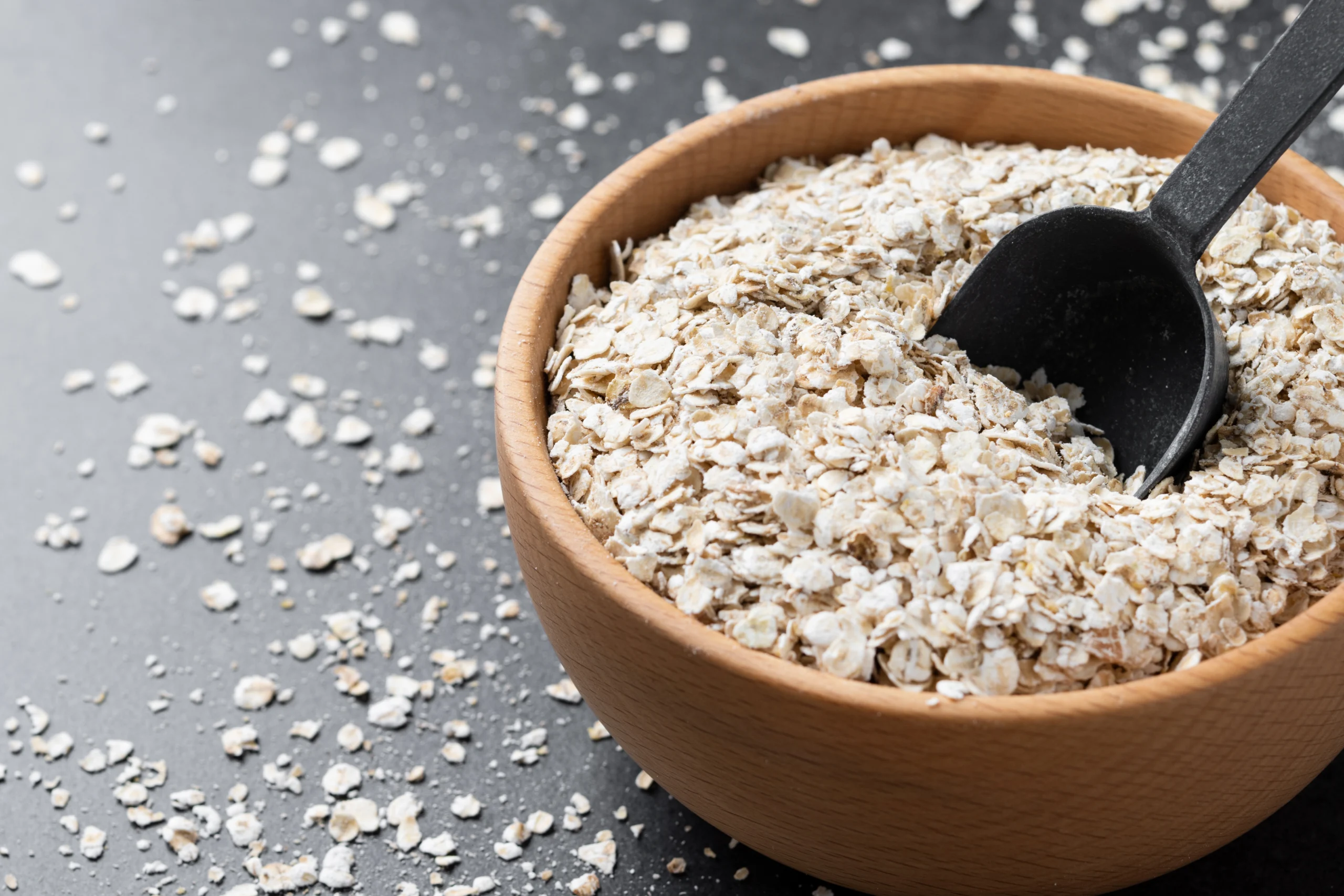
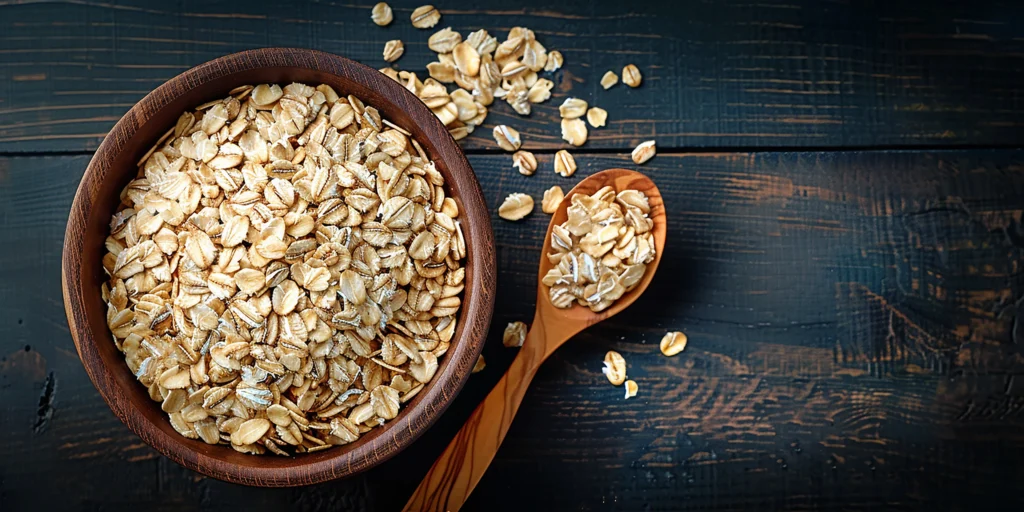
- Shape: Steel cut oats are small, pin-like, or slightly elongated pieces of the whole oat groat.
- Size: Each piece is typically about an eighth to a quarter of an inch long.
- Texture: Steel cut oats have a chewy texture and a slightly nutty flavor when cooked, providing a more robust and dense meal compared to rolled or instant oats.
Culinary Uses
- Common Dishes: Steel cut oats are most commonly used for making porridge or oatmeal. They can also be used in baking, added to breads for texture, or used as an ingredient in granola bars and other health-focused snacks.
- Preparation Methods: Steel cut oats require longer cooking times than rolled or instant oats, usually simmering for 20-30 minutes in water or milk. They can be prepared in advance and reheated, making them a convenient breakfast option.
- Suitable Pairings: Steel cut oats pair well with a variety of toppings and mix-ins, such as fresh or dried fruits, nuts, seeds, honey, maple syrup, and spices like cinnamon or nutmeg.
Geographical Information
- Origin: Oats have been cultivated for thousands of years and are believed to have originated in multiple regions including Europe and Southwest Asia.
- Primary Growing Regions: Today, the largest producers of oats include Russia, Canada, the United States (especially in the Upper Midwest and parts of Canada), Poland, and Finland.
- Seasonal Availability: Oats are harvested in the late summer and early fall, but steel cut oats are processed and available year-round.
| proximates: | |
| Water | 10.1 g |
| Energy (Atwater General Factors) | 381 kcal |
| Energy (Atwater Specific Factors) | 379 kcal |
| Nitrogen | 2.15 g |
| Protein | 12.5 g |
| Total lipid (fat) | 5.8 g |
| Ash | 1.8 g |
| Carbohydrates: | |
| Carbohydrate, by difference | 69.8 g |
| Total dietary fiber (AOAC 2011.25) | 12 g |
| High Molecular Weight Dietary Fiber (HMWDF) | 11.2 g |
| Low Molecular Weight Dietary Fiber (LMWDF) | 0.7 g |
| Beta-glucan | 3.62 g |
| Starch | 54.9 g |
| Minerals: | |
| Calcium, Ca | 51 mg |
| Iron, Fe | 3.8 mg |
| Magnesium, Mg | 129 mg |
| Phosphorus, P | 417 mg |
| Potassium, K | 376 mg |
| Sodium, Na | <2.5 mg |
| Zinc, Zn | 2.84 mg |
| Copper, Cu | 0.411 mg |
| Manganese, Mn | 3.41 mg |
| Selenium, Se | 29 µg |
| Molybdenum, Mo | 164 µg |
| Vitamins and Other Components: | |
| Thiamin | 0.334 mg |
| Niacin | 0.926 mg |
| Vitamin B-6 | 0.119 mg |
| Biotin | 22 µg |
| Folate, total | 30 µg |