
Lion’s mane mushroom, renowned for its unique appearance and potential health benefits, is a fascinating species of edible fungi. Below is a detailed overview based on your requested categories:
Basic Information
- Common Name: Lion’s Mane Mushroom
- Scientific Name: Hericium erinaceus
- Category: Fungi
- Varieties: Primarily one species is referred to as lion’s mane, but there are similar species within the Hericium genus that are sometimes collectively referred to by this name.
Nutritional Information
Lion’s mane mushrooms are a healthy addition to the diet, offering a good profile of nutrients with several health benefits.
- Macronutrients (per 100 grams of fresh mushroom):
- Carbohydrates: Approximately 7.59g
- Proteins: Approximately 2.5g
- Fats: Less than 0.26g
- Micronutrients:
- Contains B vitamins, including niacin (B3), riboflavin (B2), and thiamin (B1).
- Rich in minerals such as zinc, potassium, iron, and selenium.
Phytonutrients
Lion’s mane mushrooms (Hericium erinaceus) are not only unique in their appearance but also in their composition of bioactive compounds. These phytonutrients contribute to the mushroom’s notable health benefits, particularly in cognitive function, nerve growth, and potentially in the prevention of neurological diseases. Below is a detailed overview of the phytonutrients found in lion’s mane mushrooms:
1. Hericenones and Erinacines
- Hericenones (found in the fruiting body) and Erinacines (found in the mycelium) are two of the most significant bioactive compounds in lion’s mane mushrooms. These compounds are known for their ability to stimulate the production of Nerve Growth Factor (NGF) in the body. NGF is crucial for the growth, maintenance, and survival of neurons, potentially offering benefits for brain health, including enhancing cognitive function and providing neuroprotective effects against degenerative diseases like Alzheimer’s.
2. Polysaccharides
- Beta-Glucans: Like many medicinal mushrooms, lion’s mane is rich in beta-glucans, which are known for their immune-modulating effects. These polysaccharides can enhance immune system function, helping the body to fight off infections and exerting anti-tumor activities.
- Heteropolysaccharides: Also contribute to the immunostimulatory and potential anti-cancer effects of lion’s mane mushrooms.
3. Antioxidants
- Lion’s mane contains a variety of antioxidants that can help combat oxidative stress and reduce inflammation in the body. These include phenols and flavonoids, which are compounds that protect cells from damage caused by free radicals, potentially lowering the risk of chronic diseases.
4. Dietary Fibers
- Although not phytonutrients per se, the dietary fibers in lion’s mane mushrooms contribute to gut health by promoting beneficial gut bacteria, which is essential for a healthy digestive system and overall well-being.
Health Benefits Associated with Phytonutrients in Lion’s Mane Mushrooms
The unique phytonutrients in lion’s mane mushrooms contribute to several health benefits:
- Cognitive Function and Neuroprotection: Hericenones and erinacines stimulate NGF production, which can enhance brain health, improve cognitive function, and offer protective effects against neurological diseases.
- Immune System Support: The polysaccharides, including beta-glucans, strengthen the immune system, helping the body to resist infections and potentially fight cancer.
- Antioxidant and Anti-inflammatory Effects: The antioxidants present in lion’s mane reduce oxidative stress and inflammation, contributing to the prevention of chronic diseases.
- Gut Health: Dietary fibers in lion’s mane mushrooms support gut health by promoting a healthy gut microbiome.
Lion’s mane mushrooms stand out for their unique composition of phytonutrients, offering significant potential health benefits, especially in terms of cognitive function and neurological health. These aspects make lion’s mane a fascinating subject for further research and a valuable addition to a health-conscious diet.
Calorie Count and Glycemic Index
- Calorie Count: Around 35 calories per 100 grams.
- Glycemic Index: Low (mushrooms generally have a low glycemic index due to their low carbohydrate content).
Physical Characteristics
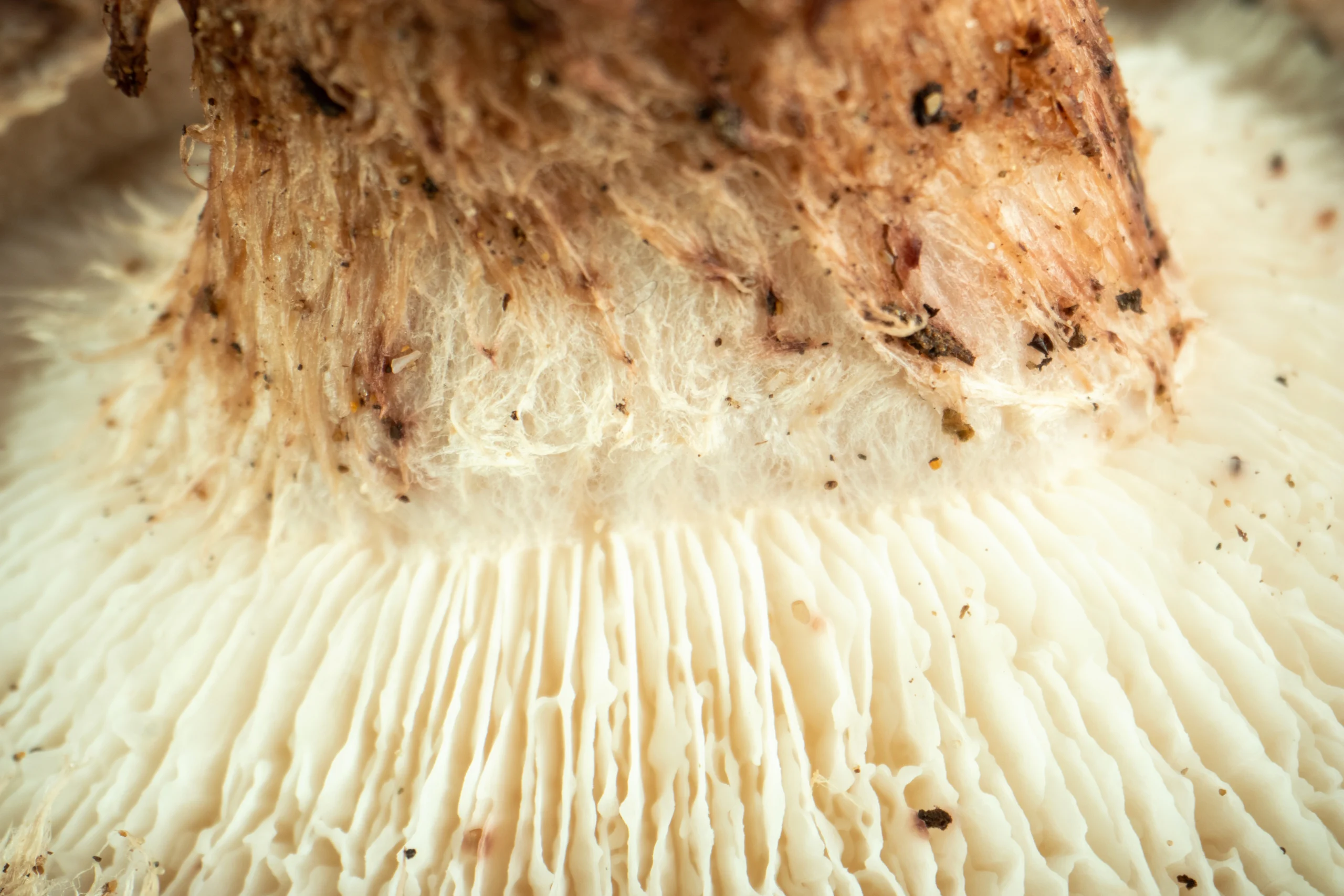
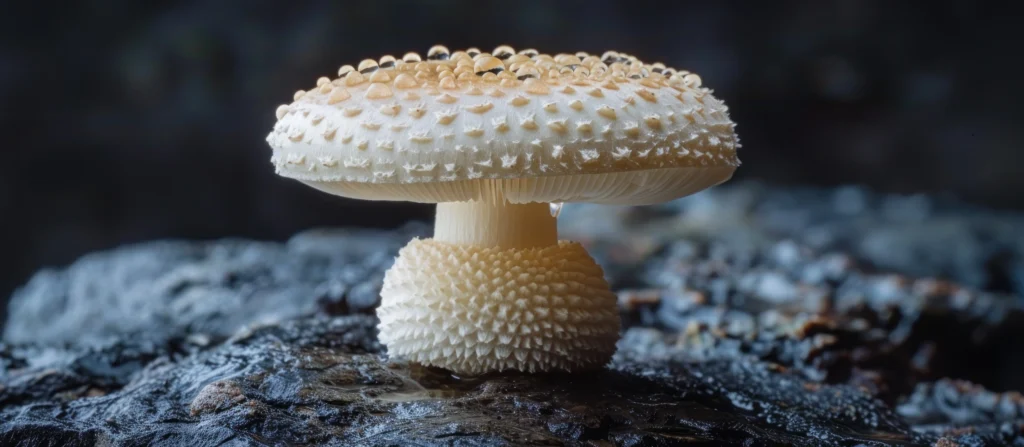
- Color: White to cream.
- Shape: Globular, comprising numerous spines or teeth that hang down, resembling a lion’s mane.
- Size: Can grow up to 15 cm in diameter.
- Texture: Tender and chewy when cooked, with a texture somewhat similar to seafood, specifically crab or lobster.
Culinary Uses
Lion’s mane mushrooms are celebrated for their culinary versatility and distinctive flavor profile.
- Common Dishes: Used in soups, pasta, seafood dishes as a substitute, and stir-fries.
- Preparation Methods: Can be sautéed, roasted, or used in soups. They absorb flavors well, making them excellent for a variety of dishes.
- Suitable Pairings: Pairs well with garlic, onion, soy sauce, and herbs like thyme and parsley. Their subtle seafood-like flavor makes them a good match for dishes that traditionally use crab or lobster.
Geographical Information
- Origin: Found in North America, Europe, and Asia, particularly in China and Japan.
- Primary Growing Regions: Widely distributed across temperate forests in the Northern Hemisphere. Also commercially cultivated.
- Seasonal Availability: Typically found in the wild from late summer to fall, but available year-round when cultivated.
Lion’s mane mushroom is not only sought after for its unique flavor and texture but also for its potential cognitive and neurological health benefits, making it a unique ingredient in both the culinary and medicinal worlds.
| proximates: | |
| Water | 88.6 g |
| Energy (Atwater General Factors) | 43 kcal |
| Energy (Atwater Specific Factors) | 35 kcal |
| Nitrogen | 0.4 g |
| Protein | 2.5 g |
| Total lipid (fat) | 0.26 g |
| Ash | 1.08 g |
| Carbohydrates: | |
| Carbohydrate, by difference | 7.59 g |
| Fiber, total dietary | 4.4 g |
| Beta-glucan | 2.4 g |
| Minerals: | |
| Calcium, Ca | <2.5 mg |
| Iron, Fe | 0.69 mg |
| Magnesium, Mg | 11.7 mg |
| Phosphorus, P | 94 mg |
| Potassium, K | 443 mg |
| Zinc, Zn | 0.74 mg |
| Copper, Cu | 0.177 mg |
| Manganese, Mn | 0.18 mg |
| Selenium, Se | 1.8 µg |
| Vitamins and Other Components: | |
| Thiamin | 0.146 mg |
| Riboflavin | 0.363 mg |
| Niacin | 1.63 mg |
| Vitamin B-6 | 0.066 mg |
| Biotin | 16.9 µg |
| Folate, total | 30 µg |
| Vitamin D (D2 + D3), International Units | 0.8 IU |
| Vitamin D (D2 + D3) | 0.02 µg |
| Vitamin D2 (ergocalciferol) | 0.02 µg |
| Glutathione | 16.3 mg |
| Phytosterols: | |
| Stigmasterol | <0.2 mg |
| Campesterol | <0.2 mg |
| Beta-sitosterol | <0.2 mg |
| Ergosta-7-enol | 2.52 mg |
| Ergosta-5,7-dienol | 4.41 mg |
| Ergosta-7,22-dienol | 0.819 mg |
| Ergosterol | 68 mg |
| Beta-sitostanol | <0.2 mg |
| Delta-5-avenasterol | <0.2 mg |
| Delta-7-Stigmastenol | <0.2 mg |
| Amino acids: | |
| Ergothioneine | 17 mg |