

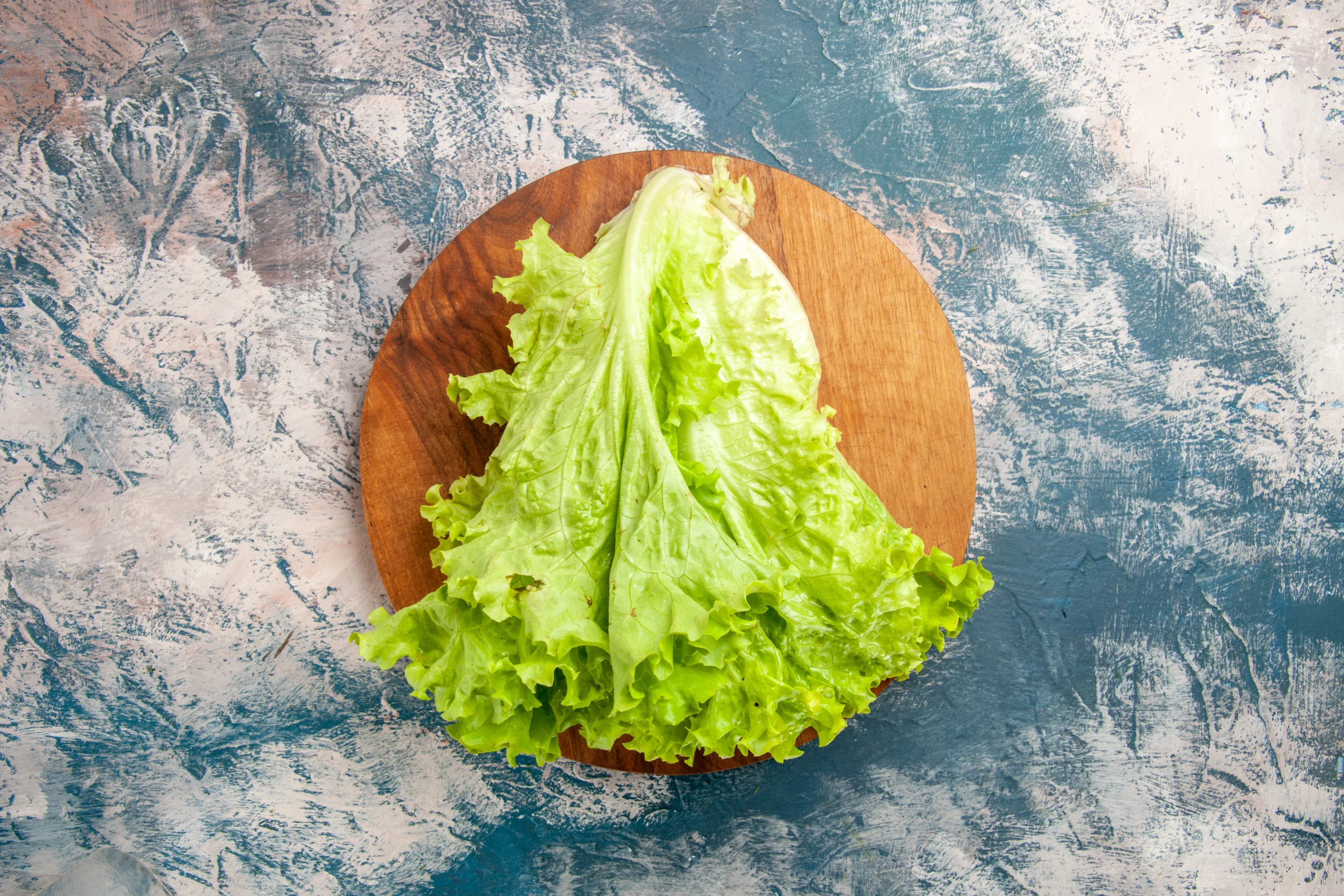
Basic Information
- Name: Romaine Lettuce (Green)
- Scientific Name: Lactuca sativa L. var. longifolia
- Category: Vegetable
Varieties
While this entry focuses on green romaine lettuce, it’s worth noting that romaine can also be found in red-tinted varieties. However, the green type is the most common and widely used.
Nutritional Information
- Macronutrients:
- Carbohydrates: Approximately 4.06 g per 100 g, mainly from sugars and dietary fiber.
- Proteins: About 0.98 g per 100 g.
- Fats: Very low, around 0.07 g per 100 g.
- Micronutrients: High in Vitamin A (as beta-carotene), Vitamin K, and folate. Also contains moderate amounts of Vitamin C, calcium, magnesium, potassium, and iron.
phytonutrients
Green romaine lettuce, a popular leafy green vegetable, is not only delicious but also packed with various phytonutrients that contribute to its health benefits. These bioactive compounds offer antioxidant, anti-inflammatory, and potential disease-preventing properties. Here’s a detailed overview of the key phytonutrients found in raw green romaine lettuce:
Types of Phytonutrients in Green Romaine Lettuce
- Beta-Carotene: A precursor to vitamin A, beta-carotene is an antioxidant that supports healthy vision, skin, and immune function. Romaine lettuce is a good source of beta-carotene, contributing to its green color.
- Lutein and Zeaxanthin: These carotenoids are known for their role in eye health, particularly in protecting against age-related macular degeneration and cataracts. They are concentrated in the eye’s retina and help filter harmful high-energy light waves.
- Vitamin C: While technically a vitamin, it functions as a potent antioxidant in the body, supporting immune health, skin integrity, and collagen formation.
- Vitamin K: Essential for blood clotting and bone metabolism, vitamin K also possesses antioxidant properties.
- Folate (Vitamin B9): Important for DNA synthesis and repair, folate supports cellular division and growth, making it crucial for overall health.
- Dietary Fiber: Though not a phytonutrient, the fiber in romaine lettuce is beneficial for digestive health, helping to maintain bowel regularity and lower cholesterol levels.
Nutritional Implications
The phytonutrients in green romaine lettuce offer several health benefits:
- Antioxidant Protection: The antioxidants in romaine lettuce, including beta-carotene, vitamin C, and vitamin K, help protect cells from damage by neutralizing harmful free radicals.
- Eye Health: The presence of lutein and zeaxanthin in romaine lettuce is particularly beneficial for protecting the eyes from oxidative stress and may reduce the risk of age-related eye diseases.
- Immune Support: Vitamin C boosts the immune system, helping the body to fight off infections and diseases.
- Heart Health: The fiber, potassium, vitamin C, and beta-carotene in romaine lettuce can contribute to cardiovascular health by lowering blood pressure, reducing LDL cholesterol levels, and improving arterial function.
Including green romaine lettuce in your diet can provide these beneficial phytonutrients, contributing to a healthy and balanced diet. Its mild flavor and crispy texture make it an excellent addition to salads, sandwiches, and wraps, enhancing both the nutritional value and appeal of meals.
Calorie Count and Glycemic Index
- Calorie Count: Roughly 17 calories per 100 g.
- Glycemic Index: Low
Physical Characteristics
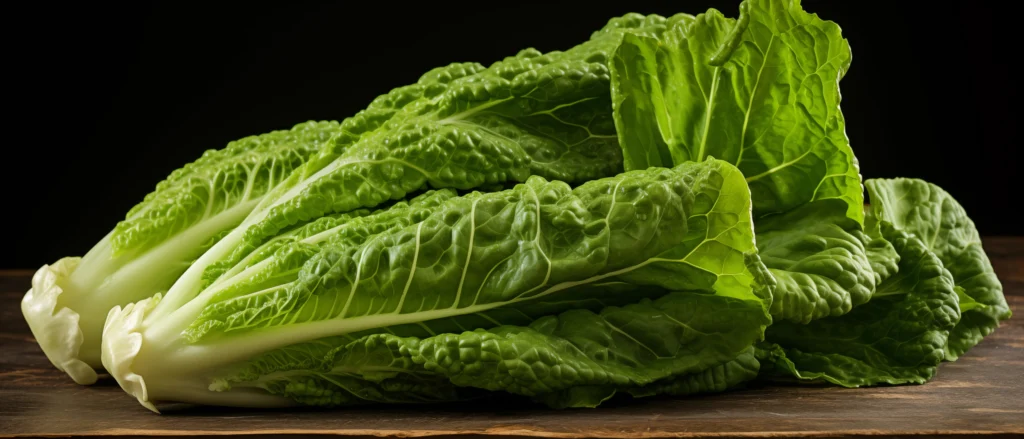
- Color: Dark green leaves, often with a lighter green or almost white stem and rib.
- Shape: Elongated leaves that form a loose head.
- Size: Leaves can grow quite large, up to 12 inches (30 cm) long in mature plants.
- Texture: Crisp and crunchy, particularly in the rib and stem area.
Culinary Uses
Romaine lettuce is versatile in culinary uses:
- Common Dishes: Salads (notably Caesar salad), sandwiches, wraps, and as a leafy bed for various dishes.
- Preparation Methods: Typically consumed raw to maintain its crispness, but can also be grilled or lightly cooked in stir-fries for a different flavor and texture.
- Suitable Pairings: Pairs well with a variety of dressings, from creamy Caesar to vinaigrettes. Complements both savory and sweet ingredients, including vegetables, fruits, nuts, cheeses, and proteins like chicken, seafood, and tofu.
Geographical Information
- Origin: Romaine lettuce is believed to have originated in the Eastern Mediterranean region or the Middle East.
- Primary Growing Regions: Widely cultivated worldwide, with significant production in the United States (California and Arizona), Mexico, and parts of Europe and Asia.
- Seasonal Availability: Available year-round, with peak seasons in spring and fall.
Green romaine lettuce is appreciated for its nutritional content, especially its high levels of Vitamin A and K, making it a healthy addition to any meal. Its robust texture and slightly bitter flavor make it a favorite for salads and other dishes where a crunchy texture is desired.
| proximates: | |
| Water | 94.3 g |
| Energy (Atwater General Factors) | 21 kcal |
| Energy (Atwater Specific Factors) | 17 kcal |
| Nitrogen | 0.16 g |
| Protein | 0.98 g |
| Total lipid (fat) | 0.07 g |
| Ash | 0.61 g |
| Carbohydrates: | |
| Carbohydrate, by difference | 4.06 g |
| Minerals: | |
| Calcium, Ca | 28 mg |
| Iron, Fe | 0.27 mg |
| Magnesium, Mg | 12 mg |
| Phosphorus, P | 23 mg |
| Potassium, K | 260 mg |
| Sodium, Na | 23 mg |
| Zinc, Zn | 0.25 mg |
| Copper, Cu | 0.049 mg |
| Manganese, Mn | 0.227 mg |
| Vitamins and Other Components: | |
| Thiamin | 0.063 mg |
| Niacin | 0.371 mg |
| Vitamin K (phylloquinone) | 83.4 µg |
| Vitamin K (Dihydrophylloquinone) | <0.1 µg |
| Vitamin K (Menaquinone-4) | <0.1 µg |