

Basic Information
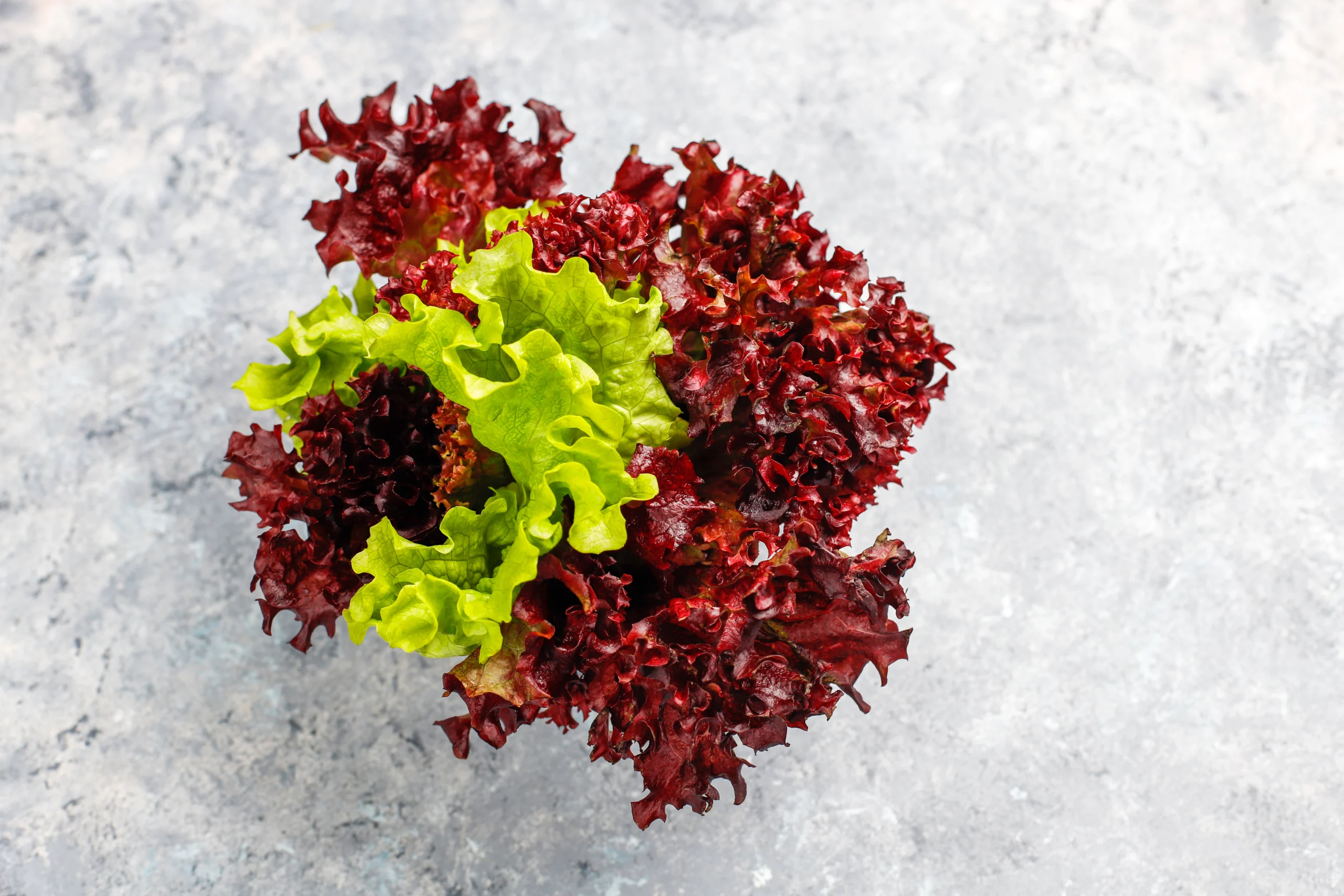
- Name: Red Leaf Lettuce
- Scientific Name: Lactuca sativa (Leaf Group)
- Category: Vegetable
Varieties
Red leaf lettuce is a variety of leaf lettuce, which is characterized by its loose leaves and red edges. It does not have distinct sub-varieties like some other vegetables but is differentiated from other types of lettuce by its coloration and leaf type.
Nutritional Information
- Macronutrients:
- Carbohydrates: Approximately 3.26 g per 100 g, mainly from sugars and dietary fiber.
- Proteins: About 0.88 g per 100 g.
- Fats: Negligible, about 0.11 g per 100 g.
- Micronutrients: High in Vitamin A and Vitamin K. Contains Vitamin C, folate, and is a source of minerals such as iron, calcium, magnesium, and potassium.
phytonutrients
Raw red leaf lettuce is a nutritious leafy green vegetable that not only adds color to your plate but also provides a variety of phytonutrients with health-promoting properties. These bioactive compounds have antioxidant and anti-inflammatory effects, contributing to the overall nutritional value of red leaf lettuce. Here’s a detailed look at the key phytonutrients found in raw red leaf lettuce:
Types of Phytonutrients in Red Leaf Lettuce
- Anthocyanins: The red pigments in red leaf lettuce are part of the flavonoid family and serve as powerful antioxidants. Anthocyanins are known for their potential to protect cells from damage, reduce inflammation, and lower the risk of heart disease and certain cancers.
- Beta-Carotene: This carotenoid, which the body can convert into vitamin A, is present in red leaf lettuce. Beta-carotene has antioxidant properties that support immune function, vision, and skin health.
- Lutein and Zeaxanthin: Although less concentrated than in green leafy vegetables, these carotenoids are important for eye health, helping to protect against macular degeneration and cataracts.
- Vitamin C: Acts as a potent antioxidant, supporting immune health, collagen synthesis, and aiding in the absorption of iron from plant-based foods.
- Vitamin K: Essential for blood clotting and bone health, vitamin K in red leaf lettuce also exhibits antioxidant properties.
- Quercetin: This flavonoid has antioxidant and anti-inflammatory effects, potentially helping to reduce the risk of chronic diseases such as heart disease and hypertension.
Nutritional Implications
The phytonutrients in red leaf lettuce offer several health benefits:
- Antioxidant Protection: Anthocyanins, beta-carotene, vitamin C, and other antioxidants help neutralize free radicals, potentially reducing oxidative stress and lowering the risk of chronic diseases.
- Heart Health: The anti-inflammatory and antioxidant properties of phytonutrients like anthocyanins and quercetin may contribute to cardiovascular health by improving blood vessel function and reducing inflammation.
- Eye Health: Lutein and zeaxanthin are crucial for protecting the eyes from harmful light waves and may reduce the risk of age-related eye disorders.
- Bone Health: Vitamin K plays a crucial role in bone health, working alongside calcium and vitamin D to maintain strong bones.
Including red leaf lettuce in your diet can provide these beneficial phytonutrients, contributing to a healthy and balanced diet. Its vibrant color and mild flavor make it an excellent addition to salads, sandwiches, and wraps, enhancing both the visual appeal and nutritional content of meals.
Calorie Count and Glycemic Index
- Calorie Count: Roughly 15 calories per 100 g.
- Glycemic Index: Low.
Physical Characteristics
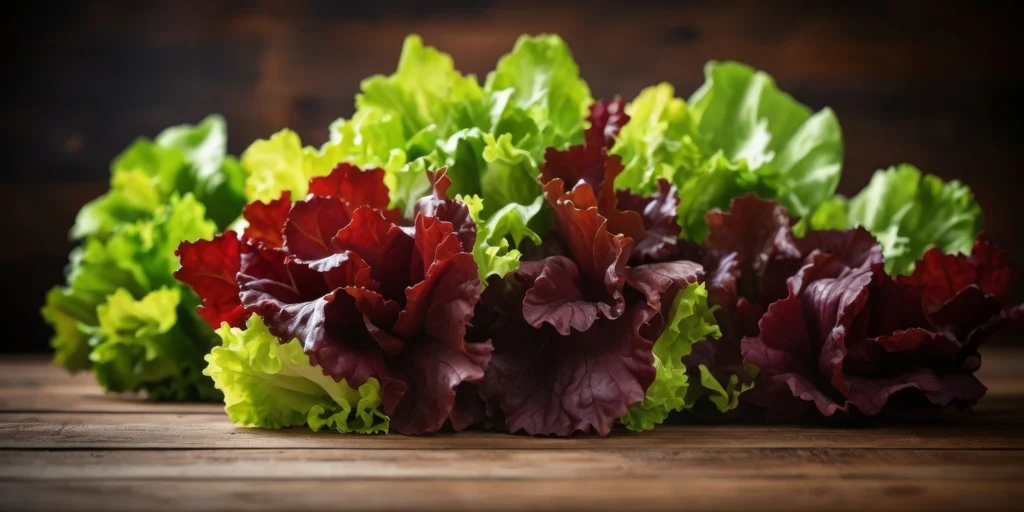
- Color: Leaves are green with red to purple edges, providing a colorful addition to dishes.
- Shape: Leaves are broad and loose with a ruffled texture.
- Size: Varies, but leaves can be quite large, depending on the maturity of the plant.
- Texture: Crisp and slightly crunchy, with a tender bite.
Culinary Uses
Red leaf lettuce is widely used in culinary applications for its texture and color:
- Common Dishes: Ideal for salads, sandwiches, and as a garnish. Its vibrant color enhances the visual appeal of dishes.
- Preparation Methods: Typically eaten raw to preserve its texture and nutrients. Can be torn or cut into pieces and mixed with other salad ingredients.
- Suitable Pairings: Pairs well with a wide variety of dressings, from creamy to vinaigrette. Its mild flavor complements both bold and subtle ingredients like fruits, nuts, cheeses, and various proteins.
Geographical Information
- Origin: Lettuce has been cultivated for thousands of years, originating from the wild lettuce Lactuca serriola, native to Asia and Europe.
- Primary Growing Regions: Grown worldwide, with major production in areas with cool, temperate climates. In the United States, California and Arizona are significant producers.
- Seasonal Availability: Available year-round, with peak seasons in the cooler months of spring and fall.
Red leaf lettuce offers not only nutritional benefits, including essential vitamins and minerals, but also adds a splash of color to a variety of dishes. Its low calorie and carbohydrate content make it a healthy choice for those monitoring their intake, while its low glycemic index supports stable blood sugar levels.
| proximates: | |
| Water | 95 g |
| Energy (Atwater General Factors) | 18 kcal |
| Energy (Atwater Specific Factors) | 15 kcal |
| Nitrogen | 0.14 g |
| Protein | 0.88 g |
| Total lipid (fat) | 0.11 g |
| Ash | 0.7 g |
| Carbohydrates: | |
| Carbohydrate, by difference | 3.26 g |
| Minerals: | |
| Calcium, Ca | 43 mg |
| Iron, Fe | 0.4 mg |
| Magnesium, Mg | 12.4 mg |
| Phosphorus, P | 24 mg |
| Potassium, K | 321 mg |
| Sodium, Na | 25 mg |
| Zinc, Zn | 0.3 mg |
| Copper, Cu | 0.038 mg |
| Manganese, Mn | 0.177 mg |
| Vitamins and Other Components: | |
| Vitamin C, total ascorbic acid | 9.3 mg |
| Thiamin | 0.061 mg |
| Niacin | 0.329 mg |
| Vitamin B-6 | 0.074 mg |
| Vitamin K (phylloquinone) | 73.2 µg |
| Vitamin K (Dihydrophylloquinone) | <0.1 µg |
| Vitamin K (Menaquinone-4) | <0.1 µg |