

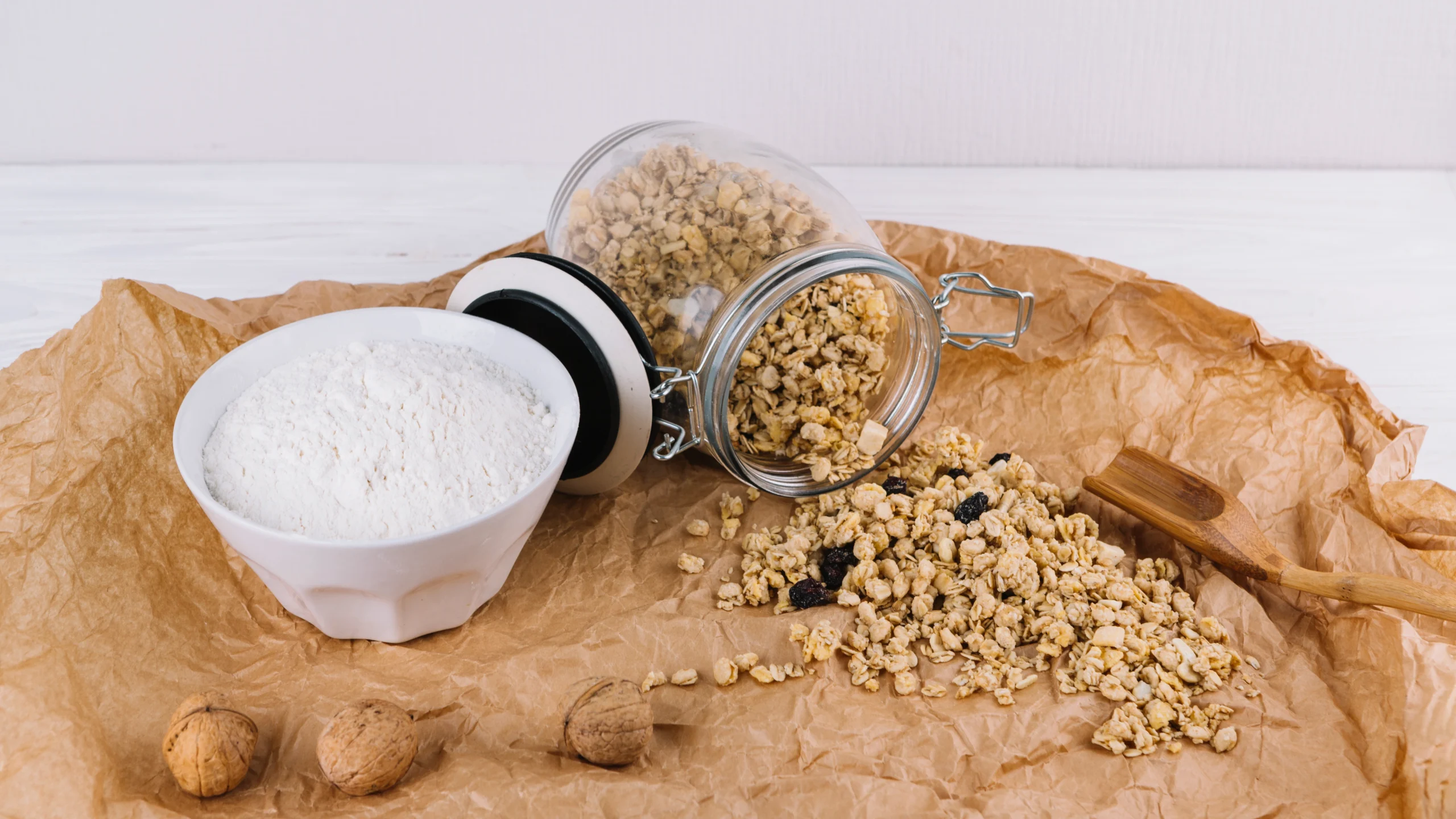
Whole grain oat flour is made by grinding whole oat grains (groats) into a fine powder, retaining the bran, germ, and endosperm that are present in the whole grain. This process ensures that the flour maintains the nutritional value of whole oats, making it a healthy and versatile ingredient in various culinary applications. Here’s a detailed overview of whole grain oat flour:
Basic Information
- Common Name: Whole Grain Oat Flour
- Scientific Name: Avena sativa
- Category: Cereal grain
- Varieties: While oat flour is generally made from whole oat groats, there are different types of oats, including steel-cut oats, rolled oats, and instant oats, though these distinctions are more relevant to the form of oats rather than the flour made from them.
Nutritional Information
- Macronutrients:
- Carbohydrates: Approximately 69.9 grams per 100 grams, with a significant portion being complex carbohydrates and dietary fiber.
- Proteins: About 13.2 grams per 100 grams, making it higher in protein compared to many other flours.
- Fats: Around 6.31 grams per 100 grams, with a balance of monounsaturated, polyunsaturated, and a small amount of saturated fats.
- Micronutrients: Rich in vitamins and minerals, including B vitamins (especially folate), vitamin E, iron, magnesium, zinc, and phosphorus. It’s also an excellent source of antioxidants and beta-glucan, a type of soluble fiber known for its heart health benefits.
Phytonutrients
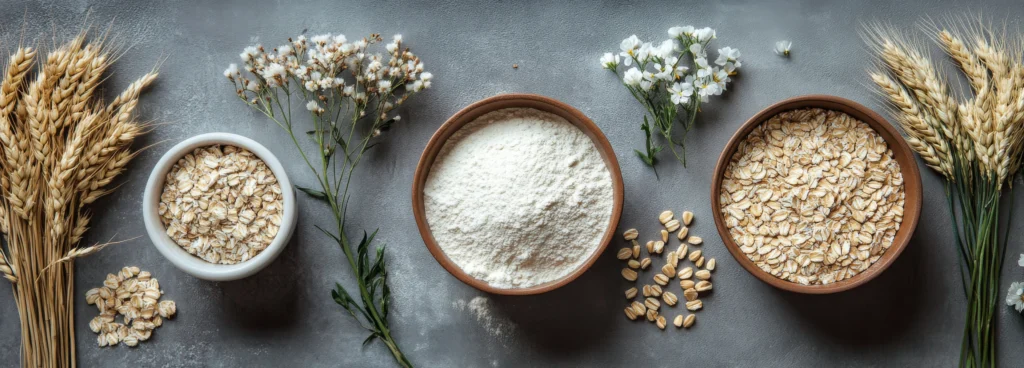
Whole grain oat flour, made from the ground whole kernels of Avena sativa, is not just a source of essential macronutrients but also rich in a variety of phytonutrients. These bioactive compounds contribute significantly to the health benefits associated with whole grain oats, offering antioxidant, anti-inflammatory, and heart-healthy effects. Here’s a detailed look into the phytonutrients present in whole grain oat flour:
Phytonutrients in Whole Grain Oat Flour
- Avenanthramides: Exclusive to oats, avenanthramides are a group of phenolic compounds known for their antioxidant, anti-inflammatory, and anti-itching properties. They play a crucial role in reducing inflammation and improving vascular health by increasing the production of nitric oxide, which helps in blood vessel dilation.
- Beta-Glucan: While technically a type of soluble fiber rather than a phytonutrient, beta-glucan is noteworthy for its significant health benefits, including lowering LDL cholesterol, regulating blood sugar levels, and supporting immune function. Its presence in oat flour contributes to the flour’s low glycemic index and makes it particularly beneficial for heart health and diabetes management.
- Phenolic Acids: Oats are rich in several types of phenolic acids, including ferulic acid and caffeic acid. These compounds have antioxidant properties that help protect cells from oxidative stress and reduce the risk of chronic diseases.
- Flavonoids: Oat flour contains flavonoids like tricin, which have antioxidant and anti-inflammatory effects. Flavonoids can help in preventing chronic conditions such as heart disease, diabetes, and certain cancers.
- Tocotrienols and Tocopherols: These are forms of vitamin E found in oat flour, known for their antioxidant properties. They help in protecting against oxidative damage and play a role in maintaining skin health and reducing the risk of heart disease.
Nutritional Context and Health Implications
The combination of these phytonutrients in whole grain oat flour contributes to its numerous health benefits. The antioxidants present in oat flour can help in reducing the risk of chronic diseases by combating oxidative stress and inflammation. The beta-glucan in oats is particularly beneficial for heart health, as it has been shown to lower cholesterol levels and improve blood sugar control, making oat flour an excellent choice for individuals with diabetes or at risk of heart disease.
Considerations
When incorporating whole grain oat flour into your diet, it’s beneficial to consider the overall balance of nutrients and the potential for gluten contamination if you have celiac disease or gluten sensitivity. While oats are naturally gluten-free, they may be processed in facilities that also handle wheat, barley, or rye, which can lead to cross-contamination.
In summary, whole grain oat flour is a nutritious and healthful ingredient, rich in phytonutrients that offer a range of health benefits. Its inclusion in the diet can contribute to improved heart health, reduced inflammation, and better overall well-being, making it a valuable addition to a healthy and balanced diet.
Calorie Count and Glycemic Index
- Calorie Count: Approximately 389 calories per 100 grams.
- Glycemic Index: Relatively low, largely due to its high fiber content, which helps to moderate blood sugar levels.
Physical Characteristics
- Color: Light beige to creamy white.
- Shape: Fine powder.
- Size: Similar to other fine grain flours.
- Texture: Soft and powdery with a slightly creamy feel.
Culinary Uses
Whole grain oat flour is celebrated for its nutritional value and is used in a variety of dishes:
- Common Dishes: Breads, pancakes, muffins, and cookies. It’s also used to thicken soups and stews.
- Preparation Methods: Baking is the most common method, but it can also be used in cooking. When baking, it may be mixed with other flours to achieve desired textures, as it can make baked goods denser than those made with refined wheat flour.
- Suitable Pairings: Works well with both sweet and savory ingredients, including fruits (like apples and bananas), nuts, chocolate, and spices (such as cinnamon and nutmeg).
Geographical Information
- Origin: Oats have been cultivated for thousands of years and are believed to have originated in Southwest Asia.
- Primary Growing Regions: Today, oats are grown in many parts of the world, with the largest producers being Russia, Canada, the United States, Finland, and Poland.
- Seasonal Availability: Oat flour is available year-round due to the global cultivation and storage of oats.
Whole grain oat flour is a healthful and nutritious choice for those looking to incorporate whole grains into their diet. Its rich nutritional profile, including high fiber and protein content, makes it a beneficial addition to various meals, supporting overall health and well-being.
| proximates: | |
| Water | 8.86 g |
| Energy (Atwater General Factors) | 389 kcal |
| Energy (Atwater Specific Factors) | 386 kcal |
| Nitrogen | 2.11 g |
| Protein | 13.2 g |
| Total lipid (fat) | 6.31 g |
| Ash | 1.75 g |
| Carbohydrates: | |
| Carbohydrate, by difference | 69.9 g |
| Fiber, total dietary | 10.5 g |
| Total dietary fiber (AOAC 2011.25) | 12.9 g |
| High Molecular Weight Dietary Fiber (HMWDF) | 11.6 g |
| Low Molecular Weight Dietary Fiber (LMWDF) | 1.24 g |
| Beta-glucan | 3.76 g |
| Starch | 53.4 g |
| Minerals: | |
| Calcium, Ca | 43 mg |
| Iron, Fe | 4 mg |
| Magnesium, Mg | 125 mg |
| Phosphorus, P | 372 mg |
| Potassium, K | 373 mg |
| Sodium, Na | 4 mg |
| Zinc, Zn | 2.75 mg |
| Copper, Cu | 0.443 mg |
| Manganese, Mn | 3.26 mg |
| Selenium, Se | 38.2 µg |
| Molybdenum, Mo | 125 µg |
| Vitamins and Other Components: | |
| Thiamin | 0.39 mg |
| Riboflavin | 0.161 mg |
| Niacin | 1.94 mg |
| Vitamin B-6 | 0.148 mg |
| Biotin | 20.2 µg |
| Folate, total | 35 µg |