
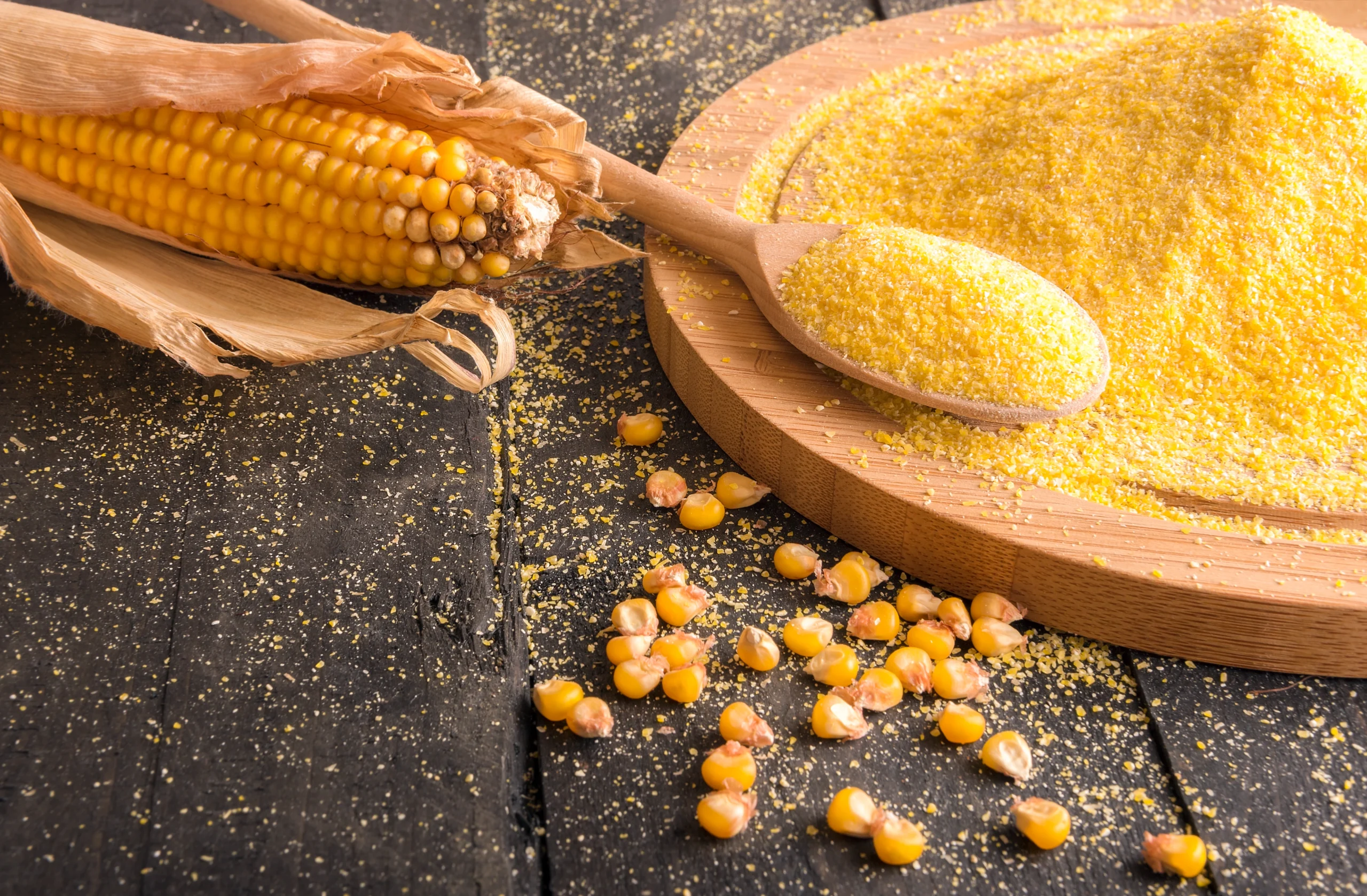
Yellow cornmeal, particularly when enriched, is a staple ingredient in many cuisines around the world. It’s derived from the dried and ground kernels of yellow corn (Zea mays), offering a gluten-free alternative to wheat flours and a distinct texture and flavor profile for a variety of dishes. Below is a detailed look into yellow enriched cornmeal, covering its basics, nutritional content, physical characteristics, culinary uses, and geographical background.
Basic Information
- Common Name: Yellow Cornmeal (Fine Meal, Enriched)
- Scientific Name: Zea mays
- Category: Cereal grain
- Varieties: Cornmeal can vary in granularity from fine to medium and coarse, with the fine meal being the focus here. The “enriched” aspect refers to the addition of certain B vitamins (niacin, thiamine, riboflavin, folic acid) and iron that are added back into the flour after processing.
Nutritional Information
- Macronutrients:
- Carbohydrates: High in carbs, approximately 80.8 grams per 100 grams.
- Proteins: Contains about 6.2 grams per 100 grams, a moderate amount for a grain.
- Fats: Low in fats, with about 1.74 grams per 100 grams.
- Micronutrients: Enriched cornmeal is fortified with B vitamins like niacin, thiamine, riboflavin, and folic acid, as well as minerals such as iron and selenium. It also contains magnesium, potassium, and zinc.
Phytonutrients
Yellow cornmeal, especially when enriched, is a valuable source of nutrients and phytonutrients, offering several health benefits. While the enrichment process mainly adds B vitamins and minerals like iron, the cornmeal itself naturally contains various phytonutrients inherent to yellow corn. These compounds play a role in promoting health and preventing disease. Here’s a detailed look at the phytonutrients present in yellow, fine, enriched cornmeal:
Phytonutrients in Yellow Cornmeal
- Carotenoids: Yellow cornmeal is rich in carotenoids, particularly zeaxanthin and lutein, which are yellow pigments that offer antioxidant properties. These compounds are known for supporting eye health, particularly in protecting against age-related macular degeneration and cataracts.
- Phenolic Acids: Cornmeal contains phenolic acids like ferulic acid, which have antioxidant properties. These compounds help in neutralizing free radicals, reducing inflammation, and may contribute to the prevention of chronic diseases such as cancer and heart disease.
- Anthocyanins: Although more prevalent in purple corn, yellow cornmeal can contain trace amounts of anthocyanins, another group of antioxidants that are linked to a reduced risk of heart disease, obesity, and diabetes.
- Phytosterols: Cornmeal is a good source of phytosterols, which are plant-based compounds structurally similar to cholesterol. Phytosterols can help lower LDL (bad) cholesterol levels by blocking its absorption in the intestines, contributing to heart health.
- Fiber: While not a phytonutrient per se, the dietary fiber in cornmeal deserves mention due to its significant health benefits, including promoting digestive health, helping control blood sugar levels, and aiding in weight management.
Nutritional Context and Health Implications
The presence of these phytonutrients, along with the enriched vitamins and minerals, makes yellow cornmeal a nutritious choice. The antioxidants offer protection against oxidative stress and inflammation, contributing to the prevention of various chronic diseases. The dietary fiber and phytosterols further support heart and digestive health.
Considerations
It’s important to note that the processing of corn into fine meal can affect the levels of these phytonutrients. Whole grain cornmeal tends to retain more nutrients compared to more heavily processed varieties. Therefore, choosing whole grain or less processed cornmeal when possible can maximize the health benefits.
In summary, yellow, fine, enriched cornmeal is not just a versatile culinary ingredient but also a source of valuable phytonutrients. Incorporating it into a balanced diet can contribute to overall health and well-being, offering both nutritional benefits and a variety of uses in cooking and baking.
Calorie Count and Glycemic Index
- Calorie Count: Around 372 calories per 100 grams.
- Glycemic Index: Medium to high, usually ranging from 69 to 85, depending on the processing and cooking method.
Physical Characteristics
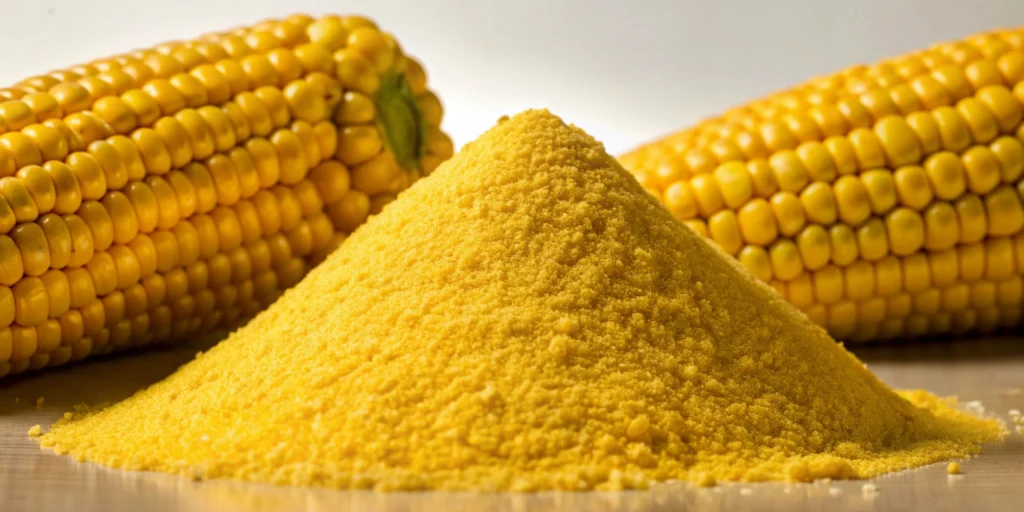
- Color: Golden yellow, characteristic of yellow corn.
- Shape: Fine powdery texture, though the granularity can vary slightly.
- Size: Very fine particles, similar to flour but with a slightly more granular texture.
- Texture: Soft and slightly gritty to the touch.
Culinary Uses
Yellow cornmeal is incredibly versatile in the kitchen, used both for its flavor and its texture.
- Common Dishes: Cornbread, polenta, tortillas, arepas, and johnnycakes.
- Preparation Methods: Baking, frying, boiling, and grilling.
- Suitable Pairings: Pairs well with cheese, chilies, beans, and vegetables. It’s also commonly used in sweet dishes, like muffins or cakes, often combined with honey or sugar.
Geographical Information
- Origin: Corn, or maize, was first domesticated in Mexico over 9,000 years ago and has become a staple crop worldwide.
- Primary Growing Regions: The United States is the largest producer of corn globally, with significant cultivation also occurring in China, Brazil, Mexico, and Argentina.
- Seasonal Availability: Cornmeal, being a processed product of dried corn, is available year-round in both its whole and enriched forms.
Enriched yellow cornmeal is a nutritious and versatile ingredient, suitable for a wide range of dietary needs and culinary applications. Its enrichment with vitamins and minerals makes it a healthier alternative, contributing to a balanced diet. Whether used in traditional dishes or innovative culinary creations, yellow cornmeal provides a unique flavor and texture that enhances the overall dining experience.
| proximates: | |
| Water | 10.8 g |
| Energy (Atwater General Factors) | 364 kcal |
| Energy (Atwater Specific Factors) | 372 kcal |
| Nitrogen | 0.99 g |
| Protein | 6.2 g |
| Total lipid (fat) | 1.74 g |
| Ash | 0.46 g |
| Carbohydrates: | |
| Carbohydrate, by difference | 80.8 g |
| Fiber, total dietary | 4.3 g |
| Sugars, Total | 1.04 g |
| Sucrose | 0.67 g |
| Glucose | 0.24 g |
| Fructose | 0.13 g |
| Lactose | 0 g |
| Maltose | 0 g |
| Minerals: | |
| Calcium, Ca | 0 mg |
| Iron, Fe | 4.44 mg |
| Magnesium, Mg | 30.1 mg |
| Phosphorus, P | 92 mg |
| Potassium, K | 144 mg |
| Sodium, Na | 0 mg |
| Zinc, Zn | 0.62 mg |
| Copper, Cu | 0.082 mg |
| Manganese, Mn | 0.172 mg |
| Selenium, Se | 8.3 µg |
| Molybdenum, Mo | 16.4 µg |
| Vitamins and Other Components: | |
| Thiamin | 0.662 mg |
| Riboflavin | 0.354 mg |
| Niacin | 0.575 mg |
| Vitamin B-6 | 0.13 mg |
| Folate, total | 155 µg |