

Basic Information
- Common Name: Frozen Raw Egg Yolk, Pasteurized
- Scientific Name: Gallus gallus domesticus (Domestic Chicken Egg Yolk)
- Category: Animal Product
Varieties
While there are no specific varieties of frozen raw egg yolk, the quality and nutritional content can vary based on the breed of chicken and their diet. Some eggs are from chickens that are free-range, organic, or fed diets high in omega-3 fatty acids, which can influence the fatty acid profile of the yolks.
Nutritional Information
- Macronutrients:
- Carbohydrates: Negligible, 0.59 per 100g.
- Proteins: About 15.6g per 100g. Egg yolks are a complete protein source but contain less protein than the whole egg or egg whites.
- Fats: High, approximately 25.1g per 100g, with a mix of saturated and unsaturated fats, including significant amounts of cholesterol.
- Micronutrients:
- Vitamins: Rich in vitamins A, D, E, and K, as well as B-vitamins like B12, riboflavin, and choline, an essential nutrient important for liver function, brain development, and nerve function.
- Minerals: Good source of selenium, phosphorus, and zinc.
Phytonutrients
Egg yolks, including those that are raw, frozen, and pasteurized, contain a variety of bioactive compounds and nutrients beneficial for health. While eggs do not contain “phytonutrients” in the traditional sense given to plant-derived nutrients, they are rich in several vital bioactive compounds with health-promoting properties. Here are some of the key components found in egg yolks:
Carotenoids
- Lutein and Zeaxanthin: These are powerful antioxidants that play a crucial role in eye health, including reducing the risk of macular degeneration and cataracts. Egg yolks are an excellent source of these carotenoids, which are more bioavailable due to the fat content of the yolk.
Fatty Acids
- Omega-3 Fatty Acids: Depending on the diet of the hen, egg yolks can be a good source of omega-3 fatty acids, which are essential for brain health and reducing inflammation. DHA (docosahexaenoic acid), a type of omega-3 fatty acid found in egg yolks, is particularly important for brain and eye health.
Vitamins
- Vitamin D: Egg yolks are one of the few foods that naturally contain vitamin D, which is essential for bone health and immune function.
- Vitamin A: Important for vision, the immune system, and reproduction.
- Vitamin E (Tocopherols and Tocotrienols): Acts as an antioxidant, protecting cells from oxidative damage.
Choline
- An essential nutrient that supports brain development, liver function, and metabolism. Choline is particularly important for pregnant and breastfeeding women to support fetal brain development.
Other Nutrients
- While not classified as phytonutrients, minerals like selenium and zinc in egg yolks are important for antioxidant defense and immune function.
The process of freezing and pasteurizing egg yolks can affect the nutrient content slightly, but these bioactive compounds are largely retained. Pasteurization ensures the safety of consuming egg yolks raw by reducing the risk of salmonella and other bacteria, making frozen, pasteurized egg yolks a convenient and healthy option for various culinary uses, including those where raw egg yolk is desired.
- Calorie Count: About 322 calories per 100g.
- Glycemic Index: Very low to nonexistent, as it contains virtually no carbohydrates.
Physical Characteristics
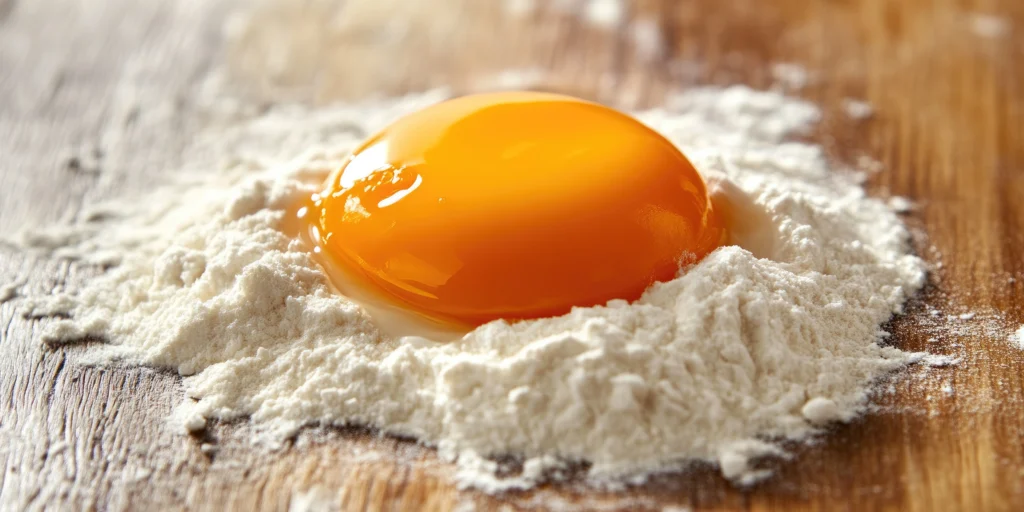
- Color: Pale yellow to deep orange, depending on the hen’s diet.
- Shape: No distinct shape since it’s frozen, but typically comes in pre-measured packets or blocks when used commercially.
- Size: Varies depending on packaging, commonly available in bulk packs for commercial use.
- Texture: Smooth and viscous when thawed, maintaining a similar consistency to fresh egg yolks.
Culinary Uses
- Common Dishes: Used in recipes requiring raw egg yolk, such as mayonnaise, sauces like hollandaise, custards, ice cream, and some baking recipes. Ideal for use in commercial kitchens where pasteurization is crucial for food safety.
- Preparation Methods: Thaw before use; can be whisked into emulsions or mixtures as required by the recipe.
- Suitable Pairings: Works well with dairy to create rich, creamy textures, and is often used to enrich and thicken sauces, dressings, and custards.
Geographical Information
- Origin: Domesticated chickens have been a source of eggs for human consumption for thousands of years, with origins likely in Southeast Asia or the Indus Valley.
- Primary Growing Regions: Chicken eggs are produced worldwide, with China, the United States, India, and Mexico among the top producers.
- Seasonal Availability: Frozen raw egg yolk, pasteurized, is available year-round, offering a convenient and safe option for raw applications in both home and commercial settings.
Frozen raw egg yolk, pasteurized, provides a safe and versatile ingredient for culinary applications requiring raw yolk, with the added benefit of a longer shelf life and reduced risk of foodborne illness. It retains much of the nutritional profile and culinary properties of fresh egg yolks, making it a valuable component in various recipes.
| Proximates: | |
| Water | 56.1 g |
| Energy (Atwater General Factors) | 291 kcal |
| Energy (Atwater Specific Factors) | 297 kcal |
| Nitrogen | 2.49 g |
| Protein | 15.6 g |
| Total lipid (fat) | 25.1 g |
| Ash | 2.65 g |
| Carbohydrates: | |
| Carbohydrate, by difference | 0.59 g |
| Minerals: | |
| Calcium, Ca | 119 mg |
| Iron, Fe | 4.13 mg |
| Magnesium, Mg | 11.2 mg |
| Phosphorus, P | 443 mg |
| Potassium, K | 102 mg |
| Sodium, Na | 66 mg |
| Zinc, Zn | 2.93 mg |
| Manganese, Mn | 0.068 mg |
| Iodine, I | 177 µg |
| Vitamins and Other Components: | |
| Vitamin D (D2 + D3), International Units | 231 IU |
| Vitamin D (D2 + D3) | 5.8 µg |
| Vitamin D3 (cholecalciferol) | 5.8 µg |
| 25-hydroxycholecalciferol | 1.5 µg |
| Lipids: | |
| Cholesterol | 1000 mg |