

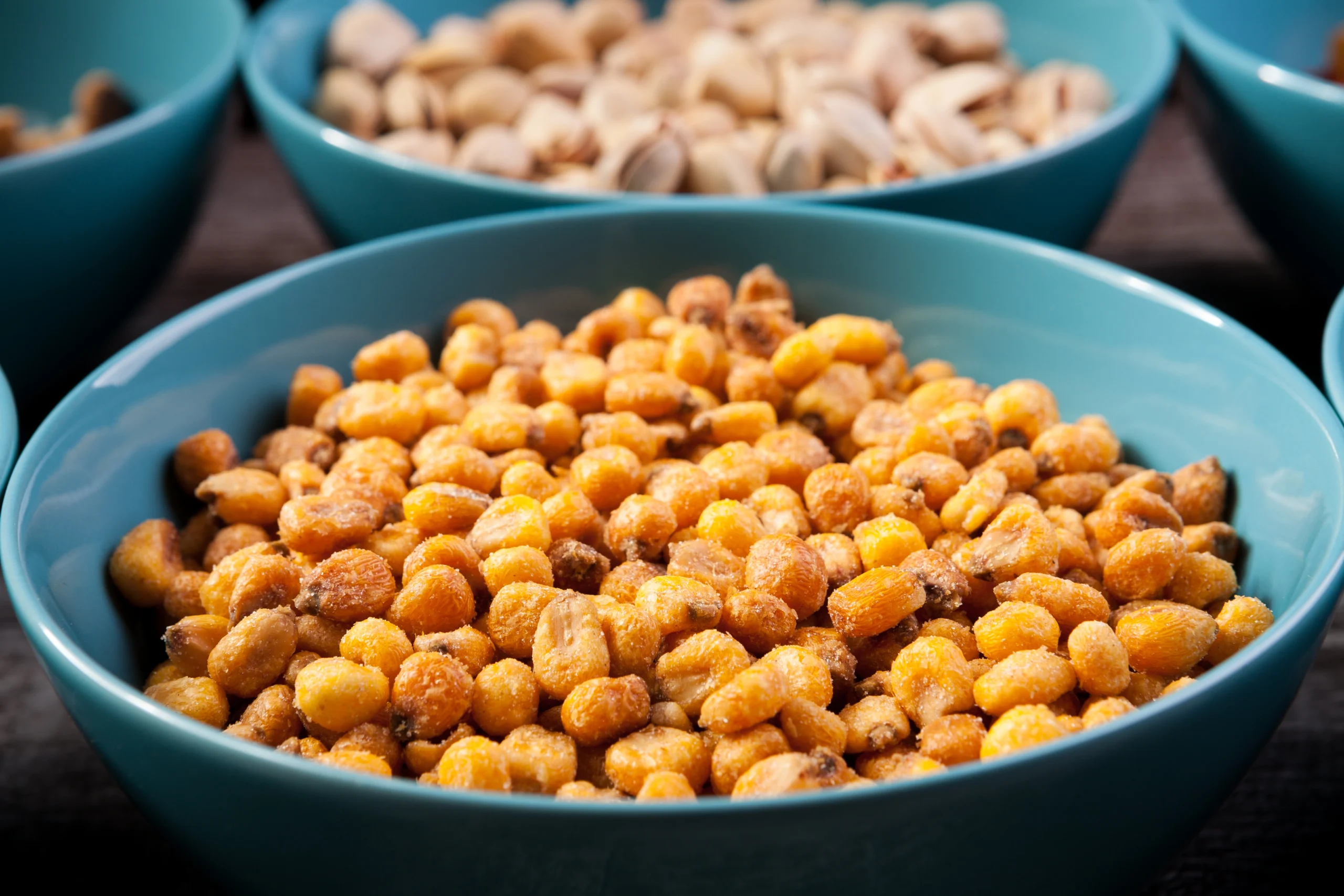
Basic Information
Name: Chickpeas (also known as Garbanzo Beans or Bengal Gram)
Scientific Name: Cicer arietinum
Category: Legume
Varieties: There are several varieties of chickpeas, including Kabuli, which are large, light-colored beans commonly found in the U.S. and European markets, and Desi, which are smaller, darker, and have a rougher coat, more prevalent in India, Ethiopia, and Mexico.
Nutritional Information
Macronutrients
- Carbohydrates: Approximately 20.3 grams per 100 grams, predominantly from fiber and starch.
- Proteins: High; about 7.02 grams per 100 grams, making them a good plant-based protein source.
- Fats: Low; around 3.1 grams per 100 grams, mostly unsaturated fats.
Micronutrients
Vitamins: Good source of folate (B9), and contains some B6 and thiamin (B1).
Minerals: Rich in iron, phosphorus, magnesium, manganese, and zinc.
Phytonutrients
Chickpeas, like other legumes, are a good source of various phytonutrients, which are compounds found in plants that have health-promoting properties. These bioactive compounds contribute to the nutritional profile and health benefits of chickpeas. Here’s a detailed look at some of the key phytonutrients present in chickpeas:
Phytonutrients in Chickpeas
Saponins: These compounds are known for their antioxidant and immune-boosting properties. Saponins may also help lower cholesterol levels and reduce the risk of certain cancers.
Isoflavones: Chickpeas contain isoflavones such as genistein and daidzein, which are phytoestrogens that can mimic estrogen in the body. These compounds have been studied for their potential role in reducing the risk of certain hormone-related cancers, osteoporosis, and heart disease.
Polyphenols: Chickpeas are rich in polyphenols, including flavonoids and phenolic acids such as quercetin, kaempferol, and myricetin. Polyphenols have antioxidant properties that help protect against oxidative stress and may reduce the risk of various chronic diseases, including heart disease and diabetes.
Phytic Acid (Phytate): While often considered an anti-nutrient because it can bind minerals and reduce their absorption, phytic acid also has antioxidant properties and may help lower the risk of cancer.
Lectins: Present in many legumes, lectins can bind to carbohydrates on cell membranes and have been studied for their potential role in cancer prevention and immune regulation.
Nutritional Benefits
The combination of these phytonutrients, along with the fiber, protein, vitamins, and minerals found in chickpeas, contributes to their many health benefits. These include improved digestion, better blood sugar regulation, reduced risk of heart disease, and potential protective effects against certain types of cancer. The high fiber content, in particular, is beneficial for gut health and helps in maintaining a healthy weight by promoting feelings of fullness.
Preparation and Consumption
Draining and rinsing canned chickpeas not only reduces the sodium content but might also lower the amounts of some phytonutrients like phytic acid and lectins, which are water-soluble. However, this process can make chickpeas a healthier addition to the diet, especially for those concerned about sodium intake. Cooking and preparation methods can also influence the bioavailability of these phytonutrients, potentially enhancing their health benefits.
Incorporating chickpeas into the diet through a variety of dishes, from soups and stews to salads and spreads like hummus, can help take advantage of their nutritional and health-promoting properties.
Calorie Count
About 120-160 calories per 100 grams, depending on the specific product and brand.
Glycemic Index
Low; typically around 28-35, making them a good option for blood sugar management.
Physical Characteristics
Color: Light beige to dark brown, depending on the variety.
Shape: Rounded, with a small beak-like protrusion.
Size: Approximately 8-12 mm in diameter for Kabuli types.
Texture: Firm but tender when cooked, with a creamy interior.
Culinary Uses
Common Dishes: Hummus, falafel, curries, salads, soups, and stews.
Preparation Methods: Canned chickpeas are pre-cooked and ready to use, making them convenient for quick meals. They can be added directly to dishes or mashed and mixed with other ingredients.
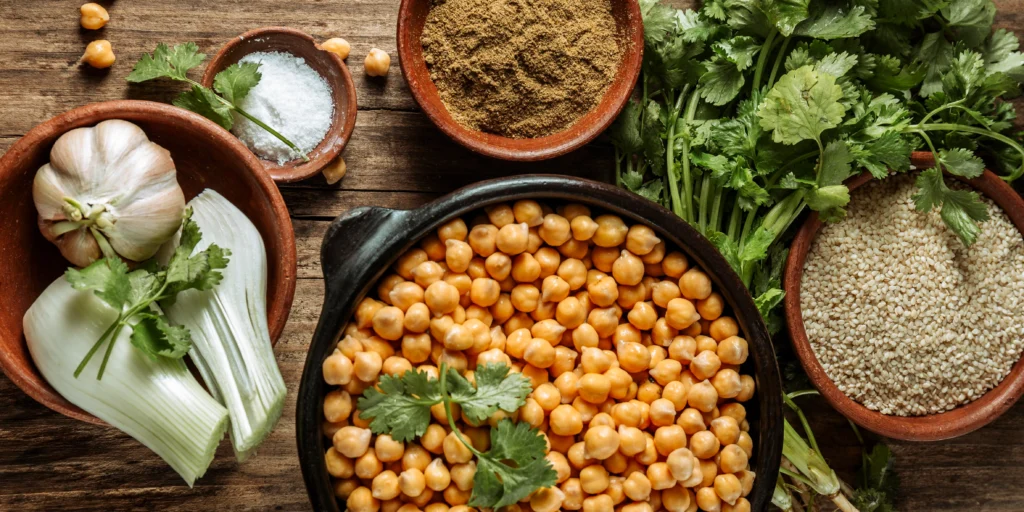
Suitable Pairings: Complements a wide range of spices and herbs, such as cumin, coriander, garlic, and parsley. Pairs well with vegetables, grains, and meats.
Geographical Information
Origin: Chickpeas are one of the oldest cultivated legumes, with origins in the Middle East, dating back over 7,500 years.
Primary Growing Regions: Today, they are grown worldwide, with India, Australia, the United States, and countries in the Mediterranean region being major producers.
Seasonal Availability: Canned chickpeas are available year-round, offering a convenient and shelf-stable option for incorporating this nutritious legume into diets anytime.
Canned chickpeas with sodium added should be drained and rinsed to reduce the sodium content, making them a healthier option. This process can remove up to 40% of the added sodium, making them a more heart-healthy choice for those monitoring their salt intake.
| Proximates: | |
| Water | 68.6 g |
| Energy (Atwater General Factors) | 137 kcal |
| Energy (Atwater Specific Factors) | 133 kcal |
| Nitrogen | 1.12 g |
| Protein | 7.02 g |
| Total lipid (fat) | 3.1 g |
| Ash | 0.98 g |
| Carbohydrates: | |
| Carbohydrate, by difference | 20.3 g |
| Total dietary fiber (AOAC 2011.25) | 5.92 g |
| Starch | 12.8 g |
| Minerals: | |
| Calcium, Ca | 40 mg |
| Iron, Fe | 1.04 mg |
| Magnesium, Mg | 28.4 mg |
| Phosphorus, P | 86 mg |
| Potassium, K | 137 mg |
| Sodium, Na | 202 mg |
| Zinc, Zn | 0.72 mg |
| Copper, Cu | 0.267 mg |
| Manganese, Mn | 0.745 mg |