
Basic Information
- Name: Dry White Cheese, Queso Seco
- Scientific Name: Not applicable, as Queso Seco is a type of cheese, not a species of plant or animal.
- Category: Dairy product
Varieties
Queso Seco is a term that can refer to various types of dry, aged cheeses from Latin American cuisine. Specific varieties might include:
- Queso Seco Enchilado: Often coated with a chili paste for added flavor.
- Regional Varieties: Different countries in Latin America produce their own versions of Queso Seco, each with unique characteristics based on local production techniques and aging processes.
Nutritional Information
Macronutrients
- Carbohydrates: Very low in carbohydrates.
- Proteins: High in protein, offering a good source of this macronutrient.
- Fats: Contains fat, with the amount varying depending on the specific type of milk used and the length of the aging process.
Micronutrients
- Vitamins: A source of fat-soluble vitamins like Vitamin A and Vitamin D, and may also provide some B-vitamins.
- Minerals: Rich in calcium and phosphorus, important for bone health. It also contains sodium.
phytonutrients
Queso Seco, like other cheeses and dairy products, does not contain phytonutrients, as these compounds are primarily found in plant-based foods. Phytonutrients are bioactive compounds that contribute to the color, flavor, and health benefits of fruits, vegetables, grains, and other plant materials. They are known for their roles in preventing disease and promoting health through antioxidants, anti-inflammatory, and other beneficial properties. Since Queso Seco is an animal-derived product, its nutritional value comes from its macronutrients (fats, proteins, carbohydrates) and micronutrients (vitamins and minerals), rather than phytonutrients.
Nutritional Profile of Queso Seco
Although Queso Seco does not contain phytonutrients, it offers several important nutrients:
- Proteins: High-quality proteins that are essential for building and repairing tissues.
- Fats: Contains saturated fats, and the specific fat content can vary depending on the milk used (cow, goat, or sheep) and the cheese-making process.
- Vitamins: Provides fat-soluble vitamins such as Vitamin A and Vitamin D, and may also offer some B-vitamins like B12, which are important for energy metabolism and maintaining healthy nerve cells.
- Minerals: Rich in calcium and phosphorus, crucial for bone health, and also contains sodium, which contributes to its flavor profile.
Health Considerations
- Sodium Content: Cheeses, including Queso Seco, can be high in sodium, which is something to consider for individuals monitoring their sodium intake.
- Lactose: Depending on the degree of fermentation and aging, the lactose content may be lower than in fresh cheeses, but those with lactose intolerance should still be cautious.
Conclusion
While Queso Seco doesn’t provide phytonutrients, incorporating a variety of fruits, vegetables, whole grains, nuts, and seeds into your diet alongside dairy products can ensure a broad intake of essential nutrients, including phytonutrients. Enjoying Queso Seco as part of a balanced diet can contribute valuable proteins, vitamins, and minerals to support overall health
Calorie Count
Queso Seco is calorie-dense, largely due to its fat content.
Glycemic Index
Cheese, including Queso Seco, has a negligible glycemic index (GI) because it contains minimal carbohydrates.
Physical Characteristics
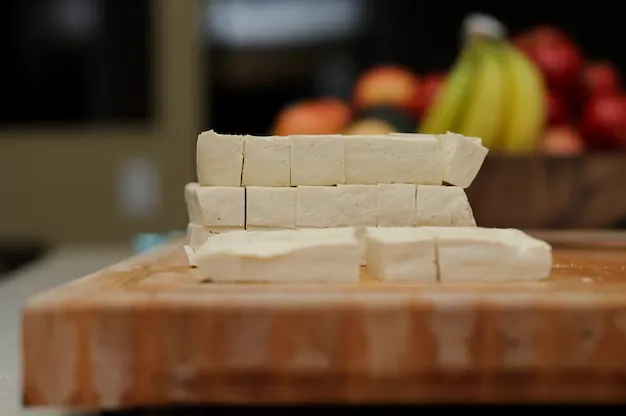
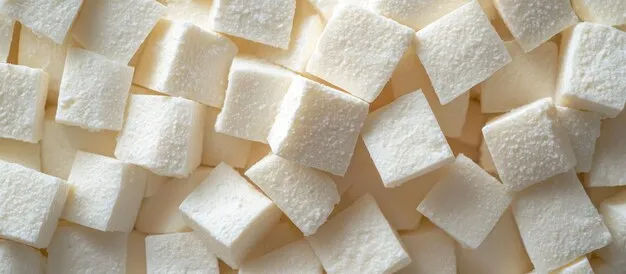
- Color: White to off-white.
- Shape: Typically sold in blocks or wheels.
- Size: The size can vary widely depending on the producer.
- Texture: Dry and crumbly, becoming more granular with age.
Culinary Uses
- Common Dishes: Queso Seco is often grated or crumbled over beans, soups, salads, and used in baking savory pastries.
- Preparation Methods: It can be eaten as is or used as an ingredient in cooking, where it adds a salty, savory flavor to dishes.
- Suitable Pairings: Complements a variety of ingredients including tomatoes, avocados, and robust spices used in Latin American cuisine.
Geographical Information
- Origin: Queso Seco refers to a style of cheese found across Latin America, with each country having its own version based on traditional cheese-making practices.
- Primary Growing Regions: Produced in various countries in Latin America, each region’s Queso Seco has distinct characteristics.
- Seasonal Availability: Available year-round.
Queso Seco is a versatile cheese that adds depth and flavor to many dishes in Latin American cuisine. Its dry, crumbly texture and rich flavor profile make it a favorite for enhancing the taste of both simple and complex recipes.
| proximates: | |
| Water | 42.2 g |
| Energy (Atwater General Factors) | 325 kcal |
| Energy (Atwater Specific Factors) | 326 kcal |
| Nitrogen | 3.84 g |
| Protein | 24.5 g |
| Total lipid (fat) | 24.3 g |
| Total fat (NLEA) | 21.4 g |
| Ash | 6.93 g |
| Carbohydrates: | |
| Carbohydrate, by difference | 2.07 g |
| Sugars, Total | 0.43 g |
| Sucrose | 0 g |
| Glucose | 0 g |
| Fructose | 0 g |
| Lactose | 0.12 g |
| Maltose | 0 g |
| Galactose | 0.3 g |
| Minerals: | |
| Calcium, Ca | 661 mg |
| Iron, Fe | 0.18 mg |
| Magnesium, Mg | 26.7 mg |
| Phosphorus, P | 475 mg |
| Potassium, K | 116 mg |
| Sodium, Na | 1810 mg |
| Zinc, Zn | 3.28 mg |
| Copper, Cu | 0.027 mg |
| Manganese, Mn | 0.018 mg |
| Selenium, Se | 22.4 |
| Vitamins and Other Components: | |
| Thiamin | 0.038 mg |
| Riboflavin | 0.23 mg |
| Niacin | 0.083 mg |
| Pantothenic acid | 0.398 mg |
| Vitamin B-6 | 0.091 mg |
| Choline, total | 18.4 mg |
| Choline, free | 1.2 mg |
| Choline, from phosphocholine | 8.5 mg |
| Choline, from phosphatidylcholine | 0.6 mg |
| Choline, from glycerophosphocholine | 3.7 mg |
| Choline, from sphingomyelin | 4.3 mg |
| Betaine | 0.4 mg |
| Vitamin B-12 | 1.7 µg |
| Vitamin A, RAE | 226 µg |
| Retinol | 223 µg |
| Carotene, beta | 33 µg |
| Carotene, alpha | 0 µg |
| Cryptoxanthin, beta | 2 µg |
| Lycopene | 0 µg |
| Lutein + zeaxanthin | 4 µg |
| Vitamin E (alpha-tocopherol) | 0.49 mg |
| Tocopherol, beta | 0 mg |
| Tocopherol, gamma | 0.04 mg |
| Tocopherol, delta | 0 mg |
| Tocotrienol, alpha | 0.06 mg |
| Tocotrienol, beta | 0.01 mg |
| Tocotrienol, gamma | 0.1 mg |
| Tocotrienol, delta | 0.03 mg |
| Vitamin D (D2 + D3), International Units | 73.3 IU |
| Vitamin D (D2 + D3) | 1.83 µg |
| Vitamin D3 (cholecalciferol) | 1.83 µg |
| Vitamin K (phylloquinone) | 1.6 µg |
| Vitamin K (Menaquinone-4) | 5.9 µg |
| Lipids: | |
| Fatty acids, total saturated | 13.7 g |
| SFA 4:0 | 0.507 g |
| SFA 6:0 | 0.399 g |
| SFA 8:0 | 0.253 g |
| SFA 10:0 | 0.585 g |
| SFA 11:0 | 0.013 g |
| SFA 12:0 | 0.662 g |
| SFA 14:0 | 2.18 g |
| SFA 15:0 | 0.228 g |
| SFA 16:0 | 6.09 g |
| SFA 17:0 | 0.143 g |
| SFA 18:0 | 2.59 g |
| SFA 20:0 | 0.038 g |
| SFA 22:0 | 0.013 g |
| SFA 24:0 | 0.009 g |
| Fatty acids, total monounsaturated | 5.7 g |
| MUFA 14:1 c | 0.167 g |
| MUFA 15:1 | 0.002 g |
| MUFA 16:1 c | 0.336 g |
| MUFA 17:1 | 0.046 g |
| MUFA 17:1 c | 0.046 g |
| MUFA 18:1 c | 5.11 g |
| MUFA 20:1 | 0.042 g |
| MUFA 20:1 c | 0.042 g |
| MUFA 22:1 c | 0.002 g |
| MUFA 24:1 c | 0.003 g |
| Fatty acids, total polyunsaturated | 1.06 g |
| PUFA 18:2 c | 0.839 g |
| PUFA 18:2 n-6 c,c | 0.705 g |
| PUFA 18:2 CLAs | 0.134 g |
| PUFA 18:3 c | 0.119 g |
| PUFA 18:3 n-3 c,c,c (ALA) | 0.11 g |
| PUFA 18:3 n-6 c,c,c | 0.009 g |
| PUFA 18:4 | 0.006 g |
| PUFA 20:2 c | 0.007 g |
| PUFA 20:2 n-6 c,c | 0.007 g |
| PUFA 20:3 c | 0.03 g |
| PUFA 20:3 n-3 | 0.002 g |
| PUFA 20:3 n-6 | 0.028 g |
| PUFA 20:4 | 0.037 g |
| PUFA 20:4c | 0.037 g |
| PUFA 20:5c | 0.009 g |
| PUFA 20:5 n-3 (EPA) | 0.009 g |
| PUFA 22:2 | 0.002 g |
| PUFA 22:5 c | 0.017 g |
| PUFA 22:4 | 0.009 g |
| PUFA 22:5 n-3 (DPA) | 0.017 g |
| PUFA 22:6 c | 0.002 g |
| PUFA 22:6 n-3 (DHA) | 0.002 g |
| Fatty acids, total trans | 0.877 g |
| Fatty acids, total trans-monoenoic | 0.71 g |
| TFA 16:1 t | 0.075 g |
| TFA 18:1 t | 0.635 g |
| TFA 22:1 t | 0 g |
| Fatty acids, total trans-dienoic | 0.167 g |
| TFA 18:2 t not further defined | 0.167 g |
| Cholesterol | 78 mg |
| Amino acids: | |
| Tryptophan | 0.31 g |
| Threonine | 0.95 g |
| Isoleucine | 1.16 g |
| Leucine | 2.29 g |
| Lysine | 1.96 g |
| Methionine | 0.535 g |
| Cystine | 0.15 g |
| Phenylalanine | 1.17 g |
| Tyrosine | 1.27 g |
| Valine | 1.48 g |
| Arginine | 0.91 g |
| Arginine | 0.65 g |
| Alanine | 0.75 g |
| Aspartic acid | 1.82 g |
| Glutamic acid | 5.32 g |
| Glycine | 0.435 g |
| Proline | 2.38 g |
| Serine | 1.37 g |