
Basic Information
- Common Name: Unsalted Butter
- Scientific Name: N/A (Butter is a dairy product, not classified under botanical nomenclature)
- Category: Dairy Product
- Varieties: Unsalted butter does not have varieties in the traditional sense, but differences can arise from the milk source (cow, goat, etc.), processing techniques, and the diet of the dairy animals, which can affect flavor and nutrient composition.
Nutritional Information
- Macronutrients (per 100 grams of unsalted butter):
- Carbohydrates: Trace amounts, typically less than 1 gram
- Proteins: About 0.9 grams
- Fats: Around 81 grams, predominantly saturated fats, with some monounsaturated and polyunsaturated fats.
- Micronutrients: Unsalted butter is a source of fat-soluble vitamins, including vitamins A, D, E, and K. It also contains small amounts of essential minerals such as calcium.
- Calorie Count: Roughly 717 calories per 100 grams.
- Glycemic Index: Low, as butter contains negligible carbohydrates.
Phytonutrients
Unsalted butter, like its salted counterpart, does not contain phytonutrients in the way that plant-based foods do. Phytonutrients are compounds found in plants, contributing to various health benefits, including antioxidant and anti-inflammatory effects. Butter, being an animal product, primarily provides a range of fats, including saturated and unsaturated fats, and contains bioactive compounds and nutrients that have different health implications. Here are the notable components and bioactive compounds found in unsalted butter:
Fat-Soluble Vitamins
- Vitamins A, D, E, and K: Unsalted butter is a source of these vitamins. Vitamin A is important for vision and immune function; Vitamin D plays a role in bone health and immune function; Vitamin E has antioxidant properties; and Vitamin K is essential for blood clotting and bone metabolism.
Butyric Acid
- Type: A short-chain fatty acid.
- Benefits: Known for its role in colon health, butyric acid serves as an energy source for colon cells, may help in reducing inflammation, and has been linked to supporting the health of the intestinal lining.
Conjugated Linoleic Acid (CLA)
- Type: A type of naturally occurring trans fat found in dairy and beef products.
- Benefits: CLA has been researched for its potential to reduce body fat, improve immune function, and may possess anticarcinogenic properties. The amount of CLA can vary based on the diet of the cows, with grass-fed cows typically producing milk (and thus butter) with higher levels of CLA.
Omega-3 and Omega-6 Fatty Acids
- Type: Polyunsaturated fats.
- Benefits: Though in smaller amounts, unsalted butter provides omega-3 and omega-6 fatty acids, known for their roles in heart health and overall cellular function. Grass-fed butter is often higher in omega-3 fatty acids compared to butter from cows fed grain-based diets.
While unsalted butter does not contain phytonutrients due to its animal origin, the bioactive compounds it does provide, such as CLA and butyric acid, contribute to its nutritional value. Consuming butter in moderation as part of a balanced diet can offer benefits, especially when opting for butter from grass-fed cows, which may have a more favorable fatty acid profile and higher levels of fat-soluble vitamins.
Physical Characteristics
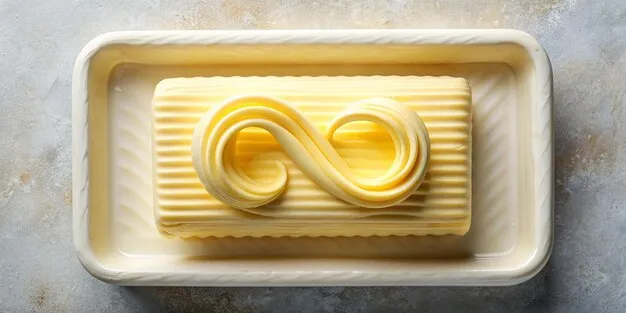
- Color: Light cream to yellow, influenced by the cow’s diet (grass-fed cows tend to produce butter with a deeper yellow color due to higher carotene content).
- Shape: Typically sold in sticks or blocks.
- Size: Commonly available in sticks weighing about 113 grams (4 ounces) or blocks of 250 grams to 500 grams.
- Texture: Firm and solid at refrigerated temperatures, softening to a spreadable consistency at room temperature, melts when heated.
Culinary Uses
Unsalted butter is highly valued in cooking and baking for its pure flavor and versatility:
- Common Dishes: Widely used in baking where precise control over salt content is desired, including cakes, cookies, and pastries. It’s also used in sauces, sautéing, and as a finishing butter for dishes to add richness.
- Preparation Methods: Can be used as is for spreading, melted as a cooking fat, or incorporated into emulsions for sauces and creams.
- Suitable Pairings: Enhances the flavor of baked goods, vegetables, meats, and seafood. Pairs well with herbs, spices, and both savory and sweet ingredients.
Geographical Information
- Origin: Butter-making is an ancient practice, with origins in the domestication of milk-producing animals thousands of years ago.
- Primary Growing Regions: Produced worldwide, with significant production in countries with extensive dairy farming, including the United States, European Union (notably France and Ireland), New Zealand, and Australia.
- Seasonal Availability: Available year-round due to the consistent production of milk and dairy products.
Unsalted butter offers the advantage of allowing cooks and bakers to control the sodium content of their dishes precisely. It provides essential fat-soluble vitamins and contributes to the rich flavor and texture of countless recipes. Despite its high calorie and fat content, unsalted butter can be part of a balanced diet when used in moderation, adding culinary depth and enjoyment to meals.
| Proximates: | |
| Water | 17.4 g |
| Total lipid (fat) | 81.5 g |
| Minerals: | |
| Calcium, Ca | 14 mg |
| Iron, Fe | 0.03 mg |
| Magnesium, Mg | 1.6 mg |
| Phosphorus, P | 19 mg |
| Potassium, K | 19 mg |
| Sodium, Na | 10 mg |
| Zinc, Zn | 0.07 mg |
| Copper, Cu | 0.001 mg |
| Manganese, Mn | 0 mg |
| Iodine, I | 0 µg |
| Lipids: | |
| Cholesterol | 234 mg |