
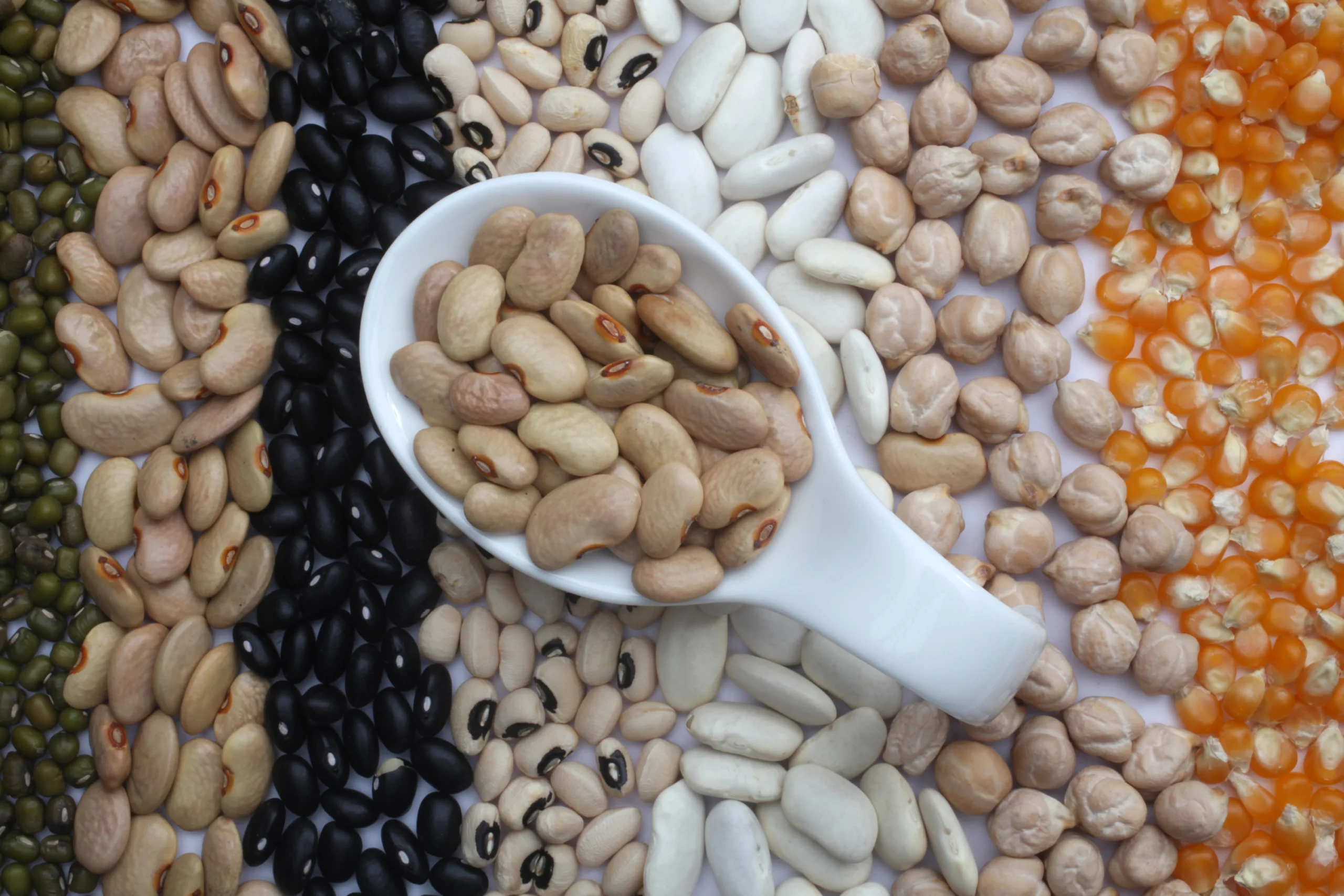
Cannellini beans, known for their creamy texture and mild, nutty flavor, are a popular ingredient in various cuisines. Here’s a detailed overview of cannellini beans, specifically the canned variety with sodium added, once they are drained and rinsed:
Basic Information
- Name: Cannellini Beans, Canned, Sodium Added, Drained and Rinsed
- Scientific Name: Phaseolus vulgaris
- Category: Legume (Vegetable)
- Varieties: Cannellini beans are a type of white bean, similar to but distinct from other varieties like Great Northern beans or navy beans due to their larger size and kidney shape.
Nutritional Information
- Macronutrients:
- Carbohydrates: Approximately 18.8g per 100g, mainly from fibers and starches.
- Proteins: About 7.41g per 100g, making them a substantial plant-based protein source.
- Fats: Minimal; typically less than 1.17g per 100g.
- Micronutrients:
- Vitamins: Good source of folate (B9) and contains some thiamin (B1) and Vitamin K.
- Minerals: Rich in minerals such as iron, magnesium, phosphorus, potassium, and zinc. Draining and rinsing reduce the sodium content significantly.
Phytonutrients
Cannellini beans, even when canned with sodium added and then drained and rinsed, retain a significant array of phytonutrients that contribute to their health-promoting properties. These phytonutrients offer various benefits, from antioxidant activity to supporting heart health. Here’s a detailed look at the phytonutrients present in cannellini beans:
Phytonutrients in Cannellini Beans
- Saponins:
- Saponins are known for their antioxidant and immune-boosting properties. They can also lower cholesterol levels and reduce the risk of heart disease. Cannellini beans contain saponins, which contribute to their heart-healthy profile.
- Phenolic Compounds:
- Cannellini beans are rich in phenolic compounds, which have antioxidant properties. These compounds help protect the body against oxidative stress and may reduce the risk of chronic diseases.
- Flavonoids:
- Flavonoids, including quercetin and kaempferol, are present in cannellini beans. These substances are noted for their anti-inflammatory and antioxidant effects, contributing to the overall health benefits of the beans.
- Isoflavones:
- While more commonly associated with soybeans, cannellini beans also contain isoflavones in smaller amounts. Isoflavones are phytoestrogens that may offer protective effects against certain cancers and heart disease.
- Resistant Starch:
- Although not a phytonutrient, resistant starch is worth mentioning due to its prebiotic properties, supporting healthy gut bacteria growth. The process of canning may alter the levels of resistant starch slightly, but significant amounts remain, especially in beans that are not overly processed.
Health Implications
- Antioxidant and Anti-inflammatory Effects: The phenolic compounds and flavonoids in cannellini beans help reduce inflammation and combat oxidative stress, potentially lowering the risk of certain chronic conditions.
- Heart Health: The presence of saponins and phenolic compounds in cannellini beans can improve cardiovascular health by lowering cholesterol levels and reducing blood pressure.
- Gut Health: Resistant starch acts as a prebiotic, fostering the growth of beneficial gut bacteria, which is crucial for digestive health and may impact overall well-being.
Considerations
Draining and rinsing canned cannellini beans can reduce the sodium content, making them a healthier option compared to consuming them directly from the can. While this process might slightly diminish the concentration of water-soluble phytonutrients, cannellini beans remain a nutritious addition to the diet. To maximize the benefits of these phytonutrients, including cannellini beans as part of a varied and balanced diet is recommended.
- Calorie Count: Approximately 100-120 calories per 100g.
- Glycemic Index: Low to medium; estimated around 31-52, making them a healthy choice for blood sugar regulation.
Physical Characteristics
- Color: White to off-white.
- Shape: Kidney-shaped, larger and more curved than other white beans.
- Size: Typically about 1/2 to 3/4 inch long.
- Texture: Soft and creamy when cooked, maintaining a firm outer skin.
Culinary Uses
- Common Dishes: Featured in Italian dishes like Minestrone soup, salads, pasta dishes, and pureed for dips or spreads.
- Preparation Methods: Although pre-cooked in the can, they’re often heated with herbs and spices to enhance flavor. Draining and rinsing are recommended to reduce sodium content.
- Suitable Pairings: Pairs well with sage, garlic, rosemary, tomatoes, and leafy greens. Excellent in combination with grains like rice or pasta for a complete protein dish.
Geographical Information
- Origin: Thought to originate from Italy, where they are a staple in Tuscan cuisine.
- Primary Growing Regions: While native to the Americas, today, they are cultivated in Italy and across the United States, particularly in California and Michigan.
- Seasonal Availability: Canned cannellini beans are available year-round, offering a convenient and shelf-stable protein source.
Canned cannellini beans with added sodium, once drained and rinsed, offer a nutritious, versatile, and easily integrated ingredient suitable for a wide array of culinary applications. Their creamy texture and ability to absorb flavors make them a favorite in both hearty and delicate dishes.
| Proximates: | |
| Water | 71.5g |
| Energy (Atwater General Factors) | 115kcal |
| Energy (Atwater Specific Factors) | 112kcal |
| Nitrogen | 1.19g |
| Protein | 7.41g |
| Total lipid (fat) | 1.17g |
| Ash | 1.07g |
| Carbohydrates: | |
| Carbohydrate, by difference | 18.8g |
| Total dietary fiber (AOAC 2011.25) | 6.76g |
| Starch | 11.3g |
| Minerals: | |
| Calcium, Ca | 69mg |
| Iron, Fe | 1.4mg |
| Magnesium, Mg | 29.3mg |
| Phosphorus, P | 95mg |
| Potassium, K | 203mg |
| Sodium, Na | 164mg |
| Zinc, Zn | 0.52mg |
| Copper, Cu | 0.219mg |
| Manganese, Mn | 0.369mg |