
Bananas, particularly when overripe, offer a unique nutritional profile, physical characteristics, culinary uses, and geographical information that distinguish them from their less ripe counterparts. Here’s a detailed overview based on the requested categories:
Basic Information
- Name: Banana (Overripe, Raw)
- Scientific Name: Musa spp.
- Category: Fruit
- Varieties: While there are many varieties of bananas, the most commonly consumed worldwide is the Cavendish banana. Overripe bananas refer to any of these varieties that have passed the peak of firmness, showing more sugar concentration and softer texture.
Nutritional Information
- Macronutrients:
- Carbohydrates: Approximately 20.1g per 100g, with a higher proportion of simple sugars in overripe bananas due to further breakdown of starches.
- Proteins: About 0.73g per 100g, relatively unchanged from less ripe bananas.
- Fats: Minimal; roughly 0.22g per 100g.
- Micronutrients:
- Vitamins: Rich in Vitamin C, Vitamin B6, and Vitamin A, with overripe bananas having slightly higher levels of Vitamin C due to concentration effects as the fruit loses moisture.
- Minerals: Good source of potassium and magnesium, essential for heart health and muscle function.
- Phytonutrients:
Bananas, particularly when overripe, are not only a source of essential vitamins and minerals but also contain various phytonutrients that contribute to their health benefits. As bananas ripen, some of their phytonutrient contents may change in concentration. Here’s an overview of the phytonutrients present in overripe, raw bananas:
Phytonutrients in Overripe Bananas
- Polyphenols:
- Overripe bananas are rich in polyphenols, which are compounds known for their antioxidant properties. The main types include:
- Catechins: Antioxidants that may help in reducing inflammation and preventing chronic diseases.
- Gallocatechin: Similar to catechins, gallocatechin contributes to the antioxidant capacity of bananas.
- Dopamine:
- Contrary to its role as a neurotransmitter in the brain, dopamine in bananas acts as a strong antioxidant. The concentration of dopamine increases as bananas ripen, making overripe bananas particularly rich in this compound.
- Carotenoids:
- Overripe bananas may have a slightly altered profile of carotenoids, compounds that the body can convert into vitamin A, important for vision, immunity, and skin health. Though not as high as in some other fruits, these compounds are still present and contribute to the overall nutritional value.
Changes in Phytonutrient Content with Ripening
- As bananas ripen, the enzymatic breakdown of cell walls increases the availability of some phytonutrients, making them more accessible to the body.
- The process of ripening also leads to an increase in simple sugars, which is why overripe bananas taste sweeter. While not a phytonutrient, this change impacts the nutritional profile of the banana by altering its carbohydrate composition.
- The antioxidant activity in bananas may increase with ripening, due in part to the changes in polyphenol content. However, the exact impact on health benefits can vary depending on the individual’s digestion and absorption.
Health Implications
- The phytonutrients in overripe bananas, particularly their antioxidants, can help protect the body against oxidative stress and inflammation.
- The increased antioxidant content in overripe bananas might offer more pronounced benefits in neutralizing free radicals compared to less ripe bananas.
- However, the higher sugar content in overripe bananas should be considered, especially for individuals managing blood sugar levels or following a low-sugar diet.
Considerations
- While overripe bananas are a good source of phytonutrients with potential health benefits, they are also higher in sugars. Consuming them in moderation as part of a balanced diet is advisable.
- Incorporating overripe bananas into recipes can be a delicious way to enjoy their nutritional benefits while managing overall sugar intake, especially in dishes where their natural sweetness reduces the need for added sugars.
In summary, overripe bananas offer a unique blend of phytonutrients with antioxidant properties, contributing to their health benefits. Their changing nutritional profile as they ripen highlights the dynamic nature of food and its impact on health.
- Calorie Count: Approximately 85 calories per 100g.
- Glycemic Index: Generally higher in overripe bananas, around 62, making them quicker to impact blood sugar levels due to the increased simple sugars.
Physical Characteristics
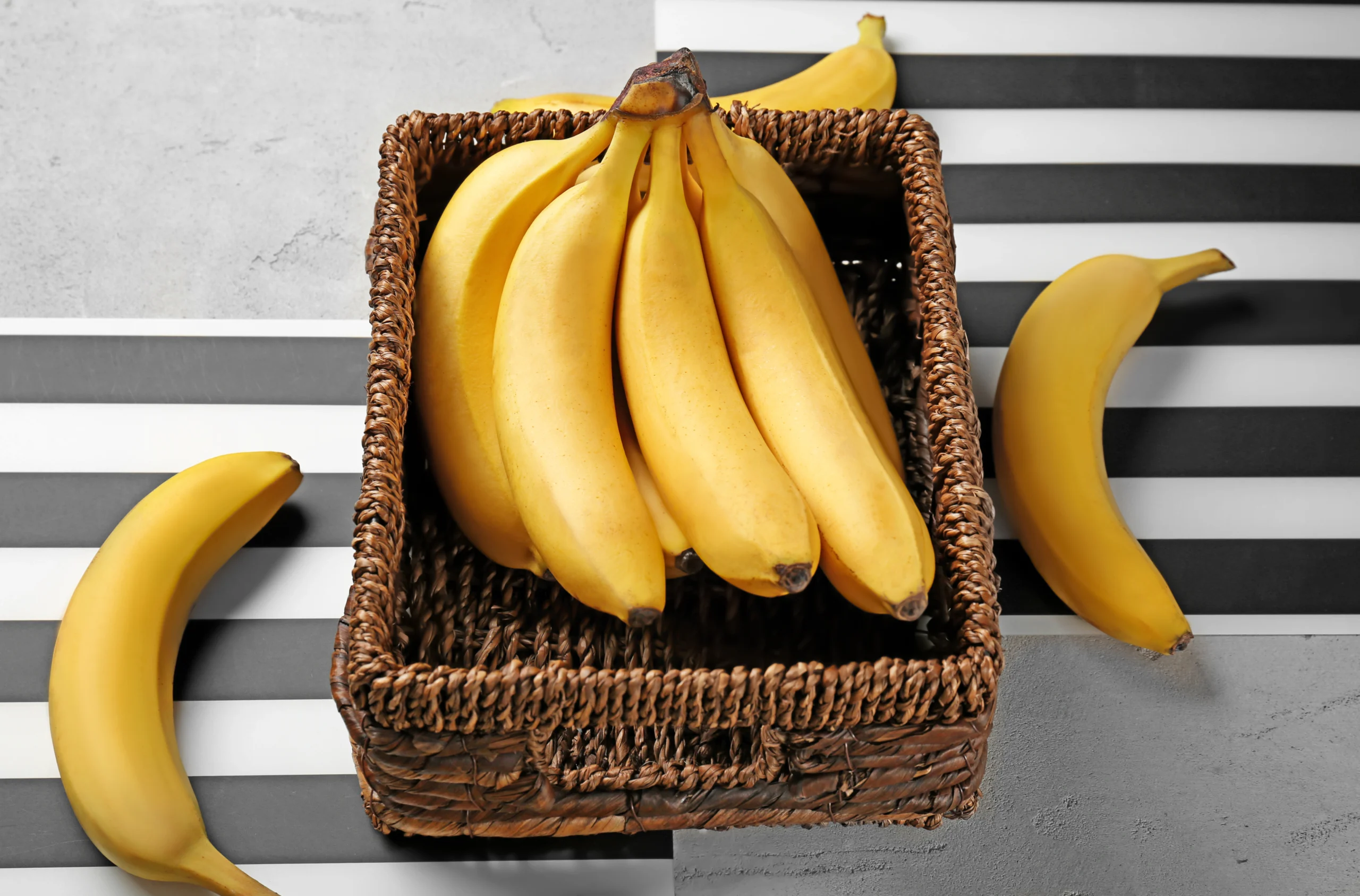
- Color: Yellow with brown spots or fully brown, indicating higher sugar content and enzyme activity.
- Shape: Elongated, curved cylinder; shape is consistent, but overripe bananas may appear more swollen due to the softening of the fruit inside.
- Size: Typically 6 to 8 inches in length, depending on the variety.
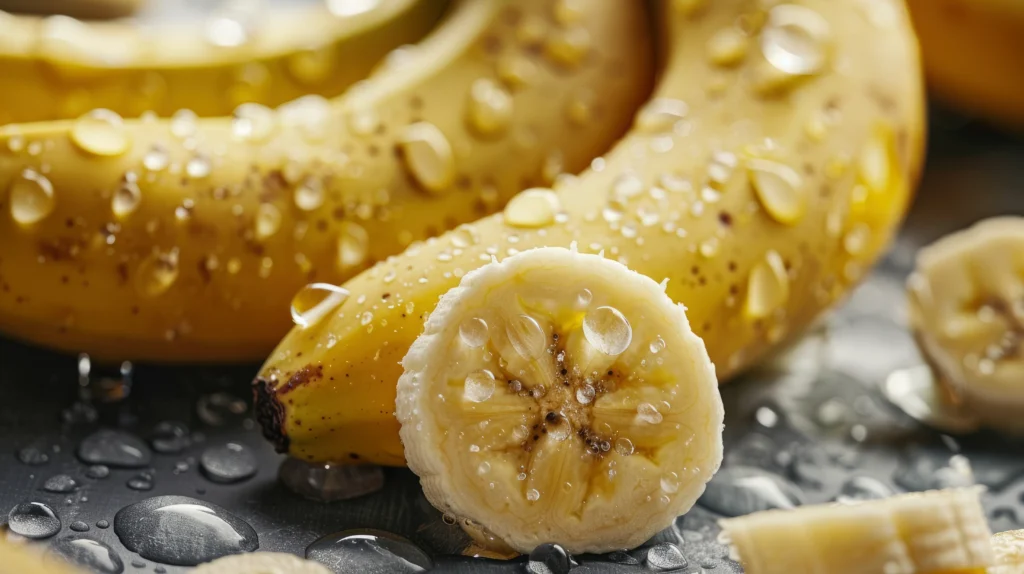
- Texture: Soft and mushy, making them easier to mash and less fibrous than their firmer, less ripe counterparts.
Culinary Uses
- Common Dishes: Overripe bananas are perfect for baking, used in banana bread, muffins, pancakes, and smoothies due to their sweetness and moisture.
- Preparation Methods: Mashed or pureed to incorporate into recipes; no need for cooking before use.
- Suitable Pairings: Complements dairy products like yogurt and ice cream, nuts like walnuts or pecans, and spices such as cinnamon and nutmeg.
Geographical Information
- Origin: Southeast Asia and Papua New Guinea.
- Primary Growing Regions: Today, bananas are grown in tropical and subtropical regions around the world, including India, China, Ecuador, and Brazil.
- Seasonal Availability: Bananas, including overripe ones, are available year-round due to their continuous growing cycle and global distribution.
Overripe bananas are a versatile ingredient known for their enhanced sweetness and suitability for various culinary applications, especially in baking. Their nutritional profile offers a quick energy source, while the higher glycemic index suggests moderation in consumption for individuals monitoring blood sugar levels.
| Proximates: | |
| Water | 78.3g |
| Energy (Atwater General Factors) | 85kcal |
| Energy (Atwater Specific Factors) | 77kcal |
| Nitrogen | 0.12g |
| Protein | 0.73g |
| Total lipid (fat) | 0.22g |
| Ash | 0.67g |
| Carbohydrates: | |
| Carbohydrate, by difference | 20.1g |
| Carbohydrate, by summation | 18g |
| Fiber, total dietary | 1.7g |
| Sugars, Total | 15.8g |
| Sucrose | 2.1g |
| Glucose | 7g |
| Fructose | 6.7g |
| Lactose | <0.25g |
| Maltose | <0.25g |
| Galactose | <0.1g |
| Starch | 0.41g |
| Organic acids: | |
| Citric acid | 279mg |
| Malic acid | 290mg |
| Vitamins and Other Components: | |
| Vitamin C, total ascorbic acid | 9.7mg |
| Thiamin | 0.04mg |
| Riboflavin | <0.1mg |
| Niacin | 0.57mg |
| Vitamin B-6 | 0.234mg |
| Biotin | <0.004mg |
| Folate, total | 25µg |
| Vitamin A, RAE | 1µg |
| Carotene, beta | 10 µg |
| cis-beta-Carotene | 1 µg |
| trans-beta-Carotene | 9µg |
| Carotene, alpha | 8 µg |
| Vitamin K (phylloquinone) | 0.2µg |
| Vitamin K (Dihydrophylloquinone) | 0µg |
| Vitamin K (Menaquinone-4) | 0µg |