
Basic Information
- Common Name: Fuji Apple
- Scientific Name: Malus domestica ‘Fuji’
- Category: Fruit
- Varieties: There are various strains of Fuji apples, including Sun Fuji, Kiku, Beni Shogun, and others.
Nutritional Information (per 100g serving)
- Macronutrients:
- Carbohydrates: Approximately 15.6g
- Proteins: About 0.15g
- Fats: Roughly 0.16g
- Micronutrients:
- Thiamin: 0.006mg
- Riboflavin: 0.068mg
- Niacin: 0.091mg
- Vitamin B-6: 0.035mg
- Folate, total: <6µg
- Calcium, Ca: 6mg
- Iron, Fe: 0.02mg
- Magnesium, Mg: 4.7mg
- Phosphorus, P: 10mg
- Potassium, K: 104mg
- Sodium, Na: 1mg
- Zinc, Zn: 0.02mg
- Copper, Cu: 0.033mg
- Manganese Mn: 0.033mg
- Calorie Count: About 58 kcal
- Glycemic Index: Generally low, typically around 30-40
- Phytonutrients
Fuji apples, like other apple varieties, contain a range of phytonutrients – natural compounds that are beneficial for health. Here’s an overview of the key phytonutrients present in Fuji apples:
1. Flavonoids
- Quercetin: An antioxidant that may reduce inflammation and have antiviral properties.
- Catechin: Known for its antioxidant capabilities, catechin may help improve brain and muscle function.
- Epicatechin: May have heart health benefits and contribute to improved blood flow.
2. Anthocyanins (in red-skinned varieties like Fuji)
- Contribute to the red color of apple skins and have antioxidant properties.
3. Chlorogenic Acid
- A type of polyphenol that may help lower blood sugar levels and reduce fat absorption.
4. Phloridzin
- Found more in apples than in any other fruit, it may help protect against bone loss and have a potential role in reducing the risk of cardiovascular disease.
5. Triterpenoids (found in apple skin)
- Known for their potential anti-cancer properties, especially in inhibiting the growth of cancer cells in the liver, colon, and breast.
6. Fiber
- While technically a nutrient rather than a phytonutrient, the fiber in apples includes pectin, a type of soluble fiber that may help lower cholesterol levels.
7. Vitamin C
- An essential nutrient and antioxidant, beneficial for immune function and skin health.
8. Boron
- A mineral that is important for bone health and brain function.
Health Benefits of Phytonutrients in Apples
- Antioxidant Properties: Many of the phytonutrients in Fuji apples function as antioxidants, combating free radicals in the body and reducing oxidative stress.
- Heart Health: Flavonoids and fiber may contribute to heart health by reducing blood pressure and cholesterol levels.
- Anti-Cancer Potential: Certain compounds like triterpenoids have shown potential in reducing the risk of certain types of cancer.
- Blood Sugar Regulation: Chlorogenic acid and fiber may aid in regulating blood sugar levels.
Remember, while Fuji apples are nutritious, they are just one component of a balanced diet. Eating a variety of fruits and vegetables is the best way to ensure you’re getting a broad range of nutrients and phytonutrients for optimal health.
Reference:
https://www.ncbi.nlm.nih.gov/pmc/articles/PMC442131/
Physical Characteristics
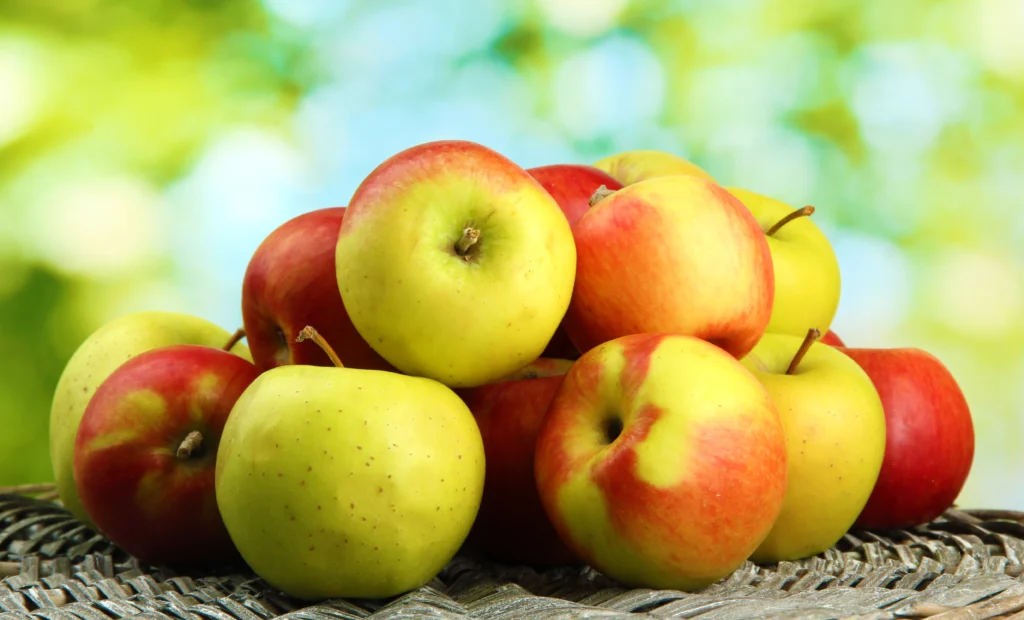
- Color: Primarily red with a yellowish tinge.
- Shape: Rounded with a slightly elongated shape.
- Size: Medium to large, averaging about 75mm in diameter.
- Texture: Crisp, firm flesh with a juicy bite.
Culinary Uses
- Common Dishes: Eaten fresh, used in salads, pies, sauces, baking, and desserts.
- Preparation Methods: Can be eaten raw, baked, or cooked. Excellent for making applesauce due to its natural sweetness.
- Suitable Pairings: Pairs well with cinnamon, caramel, nuts, and cheeses like cheddar.
Geographical Information
- Origin: Developed in Japan in the late 1930s and introduced to the market in the 1960s.
- Primary Growing Regions: Widely grown in Japan, the United States (particularly in Washington State), and China.
- Seasonal Availability: Harvested in the fall but available year-round due to controlled atmosphere storage.
Fuji apples are known for their sweet flavor and long shelf life, making them a popular choice for both fresh eating and cooking. They are a hybrid of two American apple varieties, the Red Delicious and Ralls Janet.
| Proximates: | |
| Water | 83.6g |
| Energy (Atwater General Factors) | 65kcal |
| Energy (Atwater Specific Factors) | 58kcal |
| Nitrogen | 0.02g |
| Protein | 0.15g |
| Total lipid (fat) | 0.16g |
| Ash | 0.43g |
| Carbohydrates | |
| Carbohydrate, by difference | 15.6g |
| Carbohydrate, by summation | 15.4g |
| Fiber, total dietary | 2.1g |
| Sugars, Total | 13.3g |
| Total Sugars | 13.3g |
| Sucrose | 1.7g |
| Glucose | 3.04g |
| Fructose | 8.59g |
| Lactose | <0.15g |
| Maltose | <0.15g |
| Minerals: | |
| Calcium, Ca | 6mg |
| Iron, Fe | 0.02mg |
| Magnesium, Mg | 4.7mg |
| Phosphorus, P | 10mg |
| Potassium, K | 104mg |
| Sodium, Na | 1mg |
| Zinc, Zn | 0.02mg |
| Copper, Cu | 0.033mg |
| Manganese, Mn | 0.033mg |
| Vitamins and Other Components: | |
| Thiamin | 0.006mg |
| Riboflavin | 0.068mg |
| Niacin | 0.091mg |
| Vitamin B-6 | 0.035mg |
| Folate, total | <6µg |