
Basic Information:
- Common Name: Soy Milk
- Scientific Name: Glycine max (soybean is the base ingredient)
- Category: Plant-based milk
- Varieties: Soy milk can be categorized into sweetened, unsweetened, flavored (such as vanilla or chocolate), and fortified (with added vitamins and minerals).
Nutritional Information:
- Macronutrients (per 100 grams):
- Carbohydrates: 3 grams
- Proteins: 2.78 grams
- Fats: 1.96 grams
- Saturated Fat: 0.21 grams
- Monounsaturated Fat: 0.36 grams
- Polyunsaturated Fat: 0.93 grams
- Micronutrients:
- Vitamins:
- Vitamin D: 1.1 µg (6% DV)
- Vitamin B12: 0.4 µg (17% DV)
- Riboflavin (Vitamin B2): 0.18 mg (14% DV)
- Folate: 18 µg (5% DV)
- Minerals:
- Calcium: 123 mg (9% DV)
- Magnesium: 15 mg (4% DV)
- Phosphorus: 45 mg (6% DV)
- Potassium: 118 mg (3% DV)
- Sodium: 47 mg (2% DV)
- Iron: 0.54 mg (3% DV)
Phytonutrients
Soy milk contains various phytonutrients that contribute to its health benefits. Here are the primary phytonutrients found in sweetened, plain, refrigerated soy milk:
- Isoflavones:
- Genistein: Known for its antioxidant and anti-inflammatory properties, genistein helps reduce the risk of certain cancers, support heart health, and improve bone health.
- Daidzein: Another isoflavone with antioxidant properties that support cardiovascular health, improve bone density, and may reduce menopausal symptoms.
- Glycitein: A minor isoflavone that also contributes to the antioxidant and estrogenic effects of soy products.
- Saponins:
- These compounds have immune-boosting effects, cholesterol-lowering properties, and potential anticancer activity.
- Phytosterols:
- Beta-sitosterol: Helps lower cholesterol levels, supports prostate health, and has anti-inflammatory properties.
- Campesterol: Works alongside beta-sitosterol to support cholesterol reduction and has anti-inflammatory effects.
- Stigmasterol: Known for its role in reducing cholesterol levels and supporting overall cardiovascular health.
- Phenolic Acids:
- Ferulic Acid: An antioxidant that helps protect cells from damage caused by free radicals, supports skin health, and may reduce the risk of chronic diseases.
- P-Coumaric Acid: Possesses antioxidant properties and contributes to reducing oxidative stress and inflammation.
- Flavonoids:
- Kaempferol: Known for its anti-inflammatory, antioxidant, and anticancer properties.
- Quercetin: A potent antioxidant that helps reduce inflammation, supports cardiovascular health, and boosts the immune system.
Health Benefits of Phytonutrients in Soy Milk
- Antioxidant Protection: Isoflavones, phenolic acids, and flavonoids in soy milk help protect cells from oxidative damage caused by free radicals, reducing the risk of chronic diseases.
- Anti-inflammatory Effects: Many phytonutrients, including isoflavones, phytosterols, and flavonoids, reduce inflammation, which is beneficial for managing chronic conditions such as arthritis and heart disease.
- Heart Health: Phytosterols (beta-sitosterol, campesterol, stigmasterol) and isoflavones help lower cholesterol levels and protect cardiovascular health.
- Cancer Prevention: Some phytonutrients, such as genistein, daidzein, kaempferol, and quercetin, have anticancer properties, potentially reducing the risk of certain types of cancer.
- Bone Health: Isoflavones like genistein and daidzein support bone health by improving bone density and reducing the risk of osteoporosis, particularly in postmenopausal women.
- Hormonal Balance: Isoflavones have estrogenic properties that can help balance hormones, particularly in postmenopausal women, and may reduce symptoms of menopause.
- Immune Support: Compounds like saponins and quercetin boost immune function, helping the body to fight off infections and diseases.
Summary
Sweetened, plain, refrigerated soy milk is rich in a variety of phytonutrients, including isoflavones (genistein, daidzein, glycitein), saponins, phytosterols (beta-sitosterol, campesterol, stigmasterol), phenolic acids (ferulic acid, p-coumaric acid), and flavonoids (kaempferol, quercetin). These compounds provide numerous health benefits, such as antioxidant protection, anti-inflammatory effects, heart health support, cancer prevention, bone health improvement, hormonal balance, and immune support. Including soy milk in your diet can contribute to overall health and well-being due to its rich phytonutrient profile.

Calorie Count and Glycemic Index
- Calorie Count: Approximately 41 calories
- Glycemic Index: Low to moderate (30-40)
Physical Characteristics:
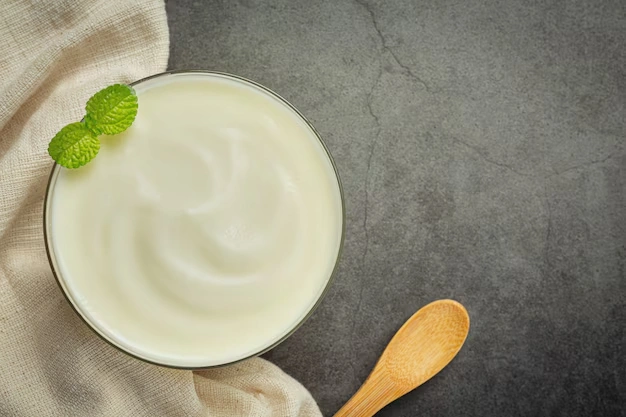
- Color: Creamy white to light beige.
- Shape: Liquid.
- Size: N/A (as it is a liquid).
- Texture: Smooth and creamy.
Culinary Uses:
- Common Dishes: Can be consumed on its own as a beverage, used in cereals, smoothies, coffee, tea, and as a milk substitute in baking and cooking.
- Preparation Methods: Typically consumed chilled. Can be frothed for coffee or heated for hot beverages and recipes.
- Suitable Pairings: Pairs well with cereals, fruits, coffee, tea, baked goods, and savory dishes such as soups and sauces.
Geographical Information:
- Origin: Soybeans are native to East Asia, specifically China.
- Primary Growing Regions: Major producers of soybeans include the United States, Brazil, Argentina, China, and India. Soy milk production is widespread globally.
- Seasonal Availability: Available year-round due to its production and distribution process.
Soy milk, especially the sweetened and plain variety, is a popular plant-based milk alternative. Its versatility in both sweet and savory dishes, combined with its nutritional benefits, makes it a valuable addition to various diets.
| Proximates: | |
| Water | 91.5 g |
| Energy (Atwater General Factors) | 41 kcal |
| Nitrogen | 0.44 g |
| Protein | 2.78 g |
| Total lipid (fat) | 1.96 g |
| Ash | 0.75 g |
| Carbohydrates: | |
| Carbohydrate, by difference | 3 g |
| Fiber, total dietary | <0.75 g |
| Sucrose | 2.58 g |
| Glucose | <0.25 g |
| Fructose | <0.25 g |
| Lactose | <0.25 g |
| Maltose | <0.25 g |
| Galactose | <0.1 g |
| Minerals: | |
| Calcium, Ca | 155 mg |
| Iron, Fe | 0.37 mg |
| Magnesium, Mg | 17.5 mg |
| Phosphorus, P | 46 mg |
| Potassium, K | 118 mg |
| Sodium, Na | 39 mg |
| Zinc, Zn | 0.26 mg |
| Copper, Cu | 0.096 mg |
| Manganese, Mn | 0.16 mg |
| Selenium, Se | <2.5 µg |
| Molybdenum, Mo | 32.3 µg |
| Vitamins and Other Components: | |
| Thiamin | 0.044 mg |
| Riboflavin | 0.331 mg |
| Niacin | 0.133 mg |
| Vitamin B-6 | 0.036 mg |
| Biotin | 2.16 µg |
| Folate, total | 16 µg |
| Vitamin B-12 | 1.33 µg |
| Vitamin A | |
| Retinol | 89 µg |
| Vitamin D (D2 + D3), International Units | 185 IU |
| Vitamin D (D2 + D3) | 4.63 µg |
| Vitamin D2 (ergocalciferol) | 4.61 µg |
| Vitamin D3 (cholecalciferol) | 0.02 µg |
| Vitamin K (phylloquinone) | 2.8 µg |
| Vitamin K (Dihydrophylloquinone) | <0.1 µg |
| Vitamin K (Menaquinone-4) | <0.1 µg |
| Amino acids: | |
| Tryptophan | 0.034 g |
| Threonine | 0.1 g |
| Isoleucine | 0.1 g |
| Leucine | 0.2 g |
| Lysine | 0.2 g |
| Methionine | 0.033 g |
| Phenylalanine | 0.157 g |
| Tyrosine | 0.1 g |
| Valine | 0.101 g |
| Arginine | 0.2 g |
| Histidine | 0.1 g |
| Alanine | 0.1 g |
| Aspartic acid | 0.329 g |
| Glutamic acid | 0.486 g |
| Glycine | 0.1 g |
| Proline | 0.114 g |
| Serine | 0.171 g |
| Hydroxyproline | <0.01 g |
| Cysteine | 0.049 g |
| Isoflavones: | |
| Daidzein | 0.14 mg |
| Genistein | 0.236 mg |
| Daidzin | 7.96 mg |
| Genistin | 14.71 mg |
| Glycitin | 0.36 mg |