
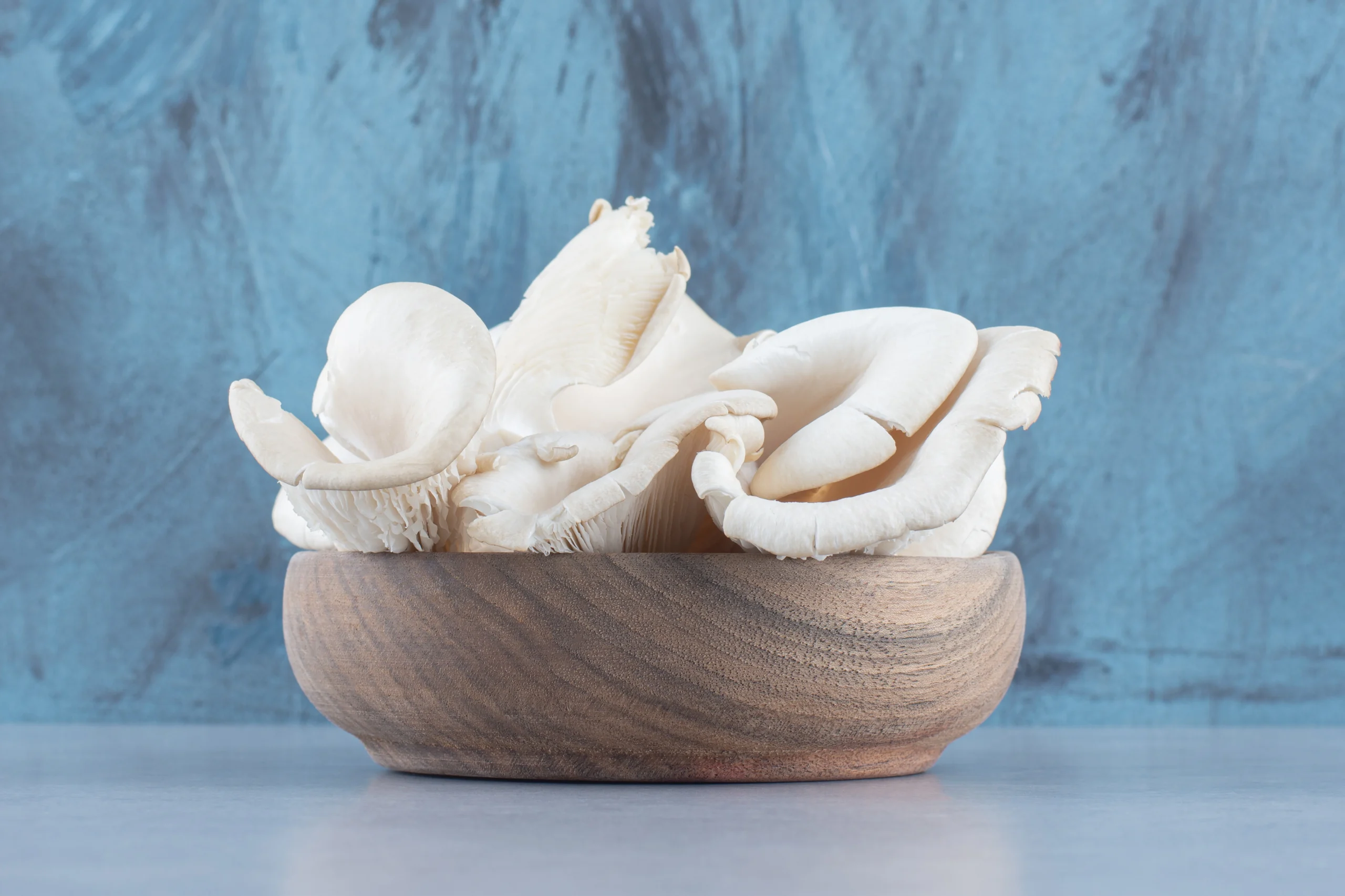
Oyster mushrooms are a popular and versatile type of edible fungi, known for their delicate flavor and tender texture. Here’s an in-depth overview based on your requested categories:
Basic Information
- Common Name: Oyster Mushroom
- Scientific Name: Pleurotus ostreatus
- Category: Fungi
- Varieties: There are several species within the Pleurotus genus that are referred to as oyster mushrooms, including Pleurotus ostreatus (common oyster mushroom), Pleurotus eryngii (king oyster mushroom), Pleurotus pulmonarius (summer oyster mushroom), and others. Each variety has subtle differences in flavor, texture, and appearance.
Nutritional Information
Oyster mushrooms are low in calories but rich in nutrients, including protein, fiber, and a range of vitamins and minerals.
- Macronutrients (per 100 grams):
- Carbohydrates: Approximately 6.94g
- Proteins: Around 2.9g
- Fats: Less than 0.19g
- Micronutrients:
- High in B vitamins, especially niacin (B3) and riboflavin (B2).
- Contains minerals such as potassium, iron, and phosphorus.
- Source of antioxidants, including ergothioneine.
Phytonutrients
Oyster mushrooms (Pleurotus ostreatus and related species) are not only appreciated for their culinary versatility but also for their significant health-promoting phytonutrients. These compounds contribute to the mushroom’s potential benefits, including antioxidant, anti-inflammatory, and immunomodulating effects. Here’s a detailed exploration of the key phytonutrients found in oyster mushrooms:
1. Polysaccharides
- Beta-Glucans: Oyster mushrooms are rich in beta-glucans, a type of soluble dietary fiber known for its immune-enhancing properties. Beta-glucans help stimulate the immune system by activating white blood cells, such as macrophages and natural killer cells, which can protect against infections and potentially cancer.
- Pleuran: This is a specific beta-glucan found in oyster mushrooms that has been studied for its immunomodulatory and potential anti-tumor activities.
2. Antioxidants
- Ergothioneine: A sulfur-containing amino acid, ergothioneine is a powerful antioxidant found in high concentrations in oyster mushrooms. It helps protect cells from oxidative stress and damage, potentially reducing the risk of chronic diseases.
- Selenium: While not a phytonutrient per se, selenium is a mineral with antioxidant properties present in oyster mushrooms. It plays a crucial role in protecting cells from oxidative stress and supporting overall health.
3. Lovastatin
- Lovastatin: Oyster mushrooms contain lovastatin, a natural statin that can help lower cholesterol levels. Lovastatin works by inhibiting an enzyme responsible for cholesterol production in the liver, contributing to heart health.
4. Vitamins and Minerals
- Oyster mushrooms are a good source of several B vitamins, including riboflavin (B2) and niacin (B3), which are essential for energy metabolism and maintaining healthy skin and nerves. They also contain minerals like potassium and phosphorus, supporting overall bodily functions.
Health Benefits Associated with Phytonutrients in Oyster Mushrooms
The combination of phytonutrients in oyster mushrooms contributes to several health benefits:
- Immune System Support: Beta-glucans and other polysaccharides enhance the body’s immune response, potentially helping to fight infections and cancer.
- Antioxidant Protection: Ergothioneine and selenium work as antioxidants to protect cells from damage caused by free radicals, reducing the risk of chronic diseases.
- Heart Health: Lovastatin in oyster mushrooms can contribute to lowering cholesterol levels, thereby supporting heart health.
Oyster mushrooms offer a rich blend of phytonutrients that not only make them a delicious and versatile ingredient in various dishes but also provide significant health benefits, particularly in terms of supporting the immune system, protecting against oxidative stress, and promoting heart health.
Calorie Count and Glycemic Index
- Calorie Count: About 33 calories per 100 grams.
- Glycemic Index: Low, making it a suitable choice for people managing blood sugar levels.
Physical Characteristics
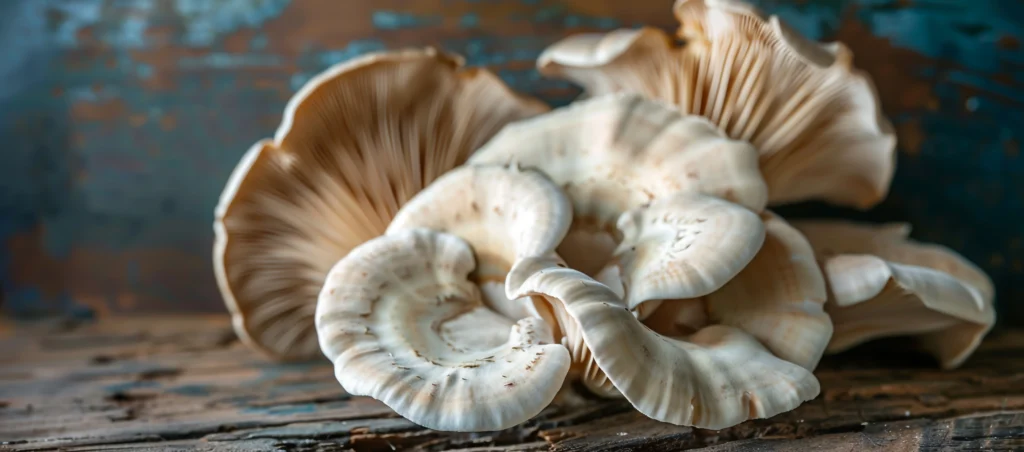
- Color: Varies from white to grey or tan, depending on the species.
- Shape: The cap is broad and fan or oyster-shaped, with a small or nonexistent stem.
- Size: Caps can range from 5 to 25 cm in diameter.
- Texture: Tender and moist, with a slight chewiness.
Culinary Uses
Oyster mushrooms are highly valued in the kitchen for their light flavor and versatile use.
- Common Dishes: Used in stir-fries, soups, pasta dishes, and as a meat substitute in vegetarian and vegan recipes.
- Preparation Methods: Can be sautéed, grilled, roasted, or used fresh in salads. They absorb flavors well, making them a great addition to a wide range of dishes.
- Suitable Pairings: Complements garlic, onions, soy sauce, and herbs such as thyme and parsley. Works well with poultry, seafood, and vegetables.
Geographical Information
- Origin: Native to temperate and subtropical forests throughout the world.
- Primary Growing Regions: Widely cultivated globally, with significant production in Asia, Europe, and North America.
- Seasonal Availability: Available year-round, as they are commonly cultivated indoors, but wild varieties are typically found from spring to fall.
Oyster mushrooms are a delightful addition to any meal, offering not only a subtle, savory flavor and tender texture but also a host of nutritional benefits. Their ease of cultivation and wide availability make them a popular choice for chefs and home cooks alike.
| proximates: | |
| Water | 89.2 g |
| Energy (Atwater General Factors) | 41 kcal |
| Energy (Atwater Specific Factors) | 33 kcal |
| Nitrogen | 0.46 g |
| Protein | 2.9 g |
| Total lipid (fat) | 0.19 g |
| Ash | 0.73 g |
| Carbohydrates: | |
| Carbohydrate, by difference | 6.94 g |
| Fiber, total dietary | 2.8 g |
| Beta-glucan | 3.01 g |
| Minerals: | |
| Calcium, Ca | <2.5 mg |
| Iron, Fe | 0.7 mg |
| Magnesium, Mg | 13.9 mg |
| Phosphorus, P | 86 mg |
| Potassium, K | 282 mg |
| Sodium, Na | 1 mg |
| Zinc, Zn | 0.68 mg |
| Copper, Cu | 0.106 mg |
| Manganese, Mn | 0.086 mg |
| Selenium, Se | 1.4 µg |
| Vitamins and Other Components: | |
| Thiamin | 0.07 mg |
| Riboflavin | 0.244 mg |
| Niacin | 5.75 mg |
| Vitamin B-6 | 0.099 mg |
| Biotin | 7.04 µg |
| Folate, total | 63 µg |
| Vitamin D (D2 + D3), International Units | 1.6 IU |
| Vitamin D (D2 + D3) | 0.04 µg |
| Vitamin D2 (ergocalciferol) | 0.04 µg |
| Glutathione | 17.5 mg |
| Phytosterols: | |
| Stigmasterol | <0.2 mg |
| Campesterol | <0.2 mg |
| Beta-sitosterol | <0.2 mg |
| Ergosta-7-enol | 1.31 mg |
| Ergosta-7,22-dienol | 0.88 mg |
| Ergosta-5,7-dienol | 8.43 mg |
| Ergosterol | 58 mg |
| Beta-sitostanol | <0.2 mg |
| Delta-5-avenasterol | <0.2 mg |
| Delta-7-Stigmastenol | <0.2 mg |
| Amino acids: | |
| Ergothioneine | 14 mg |