
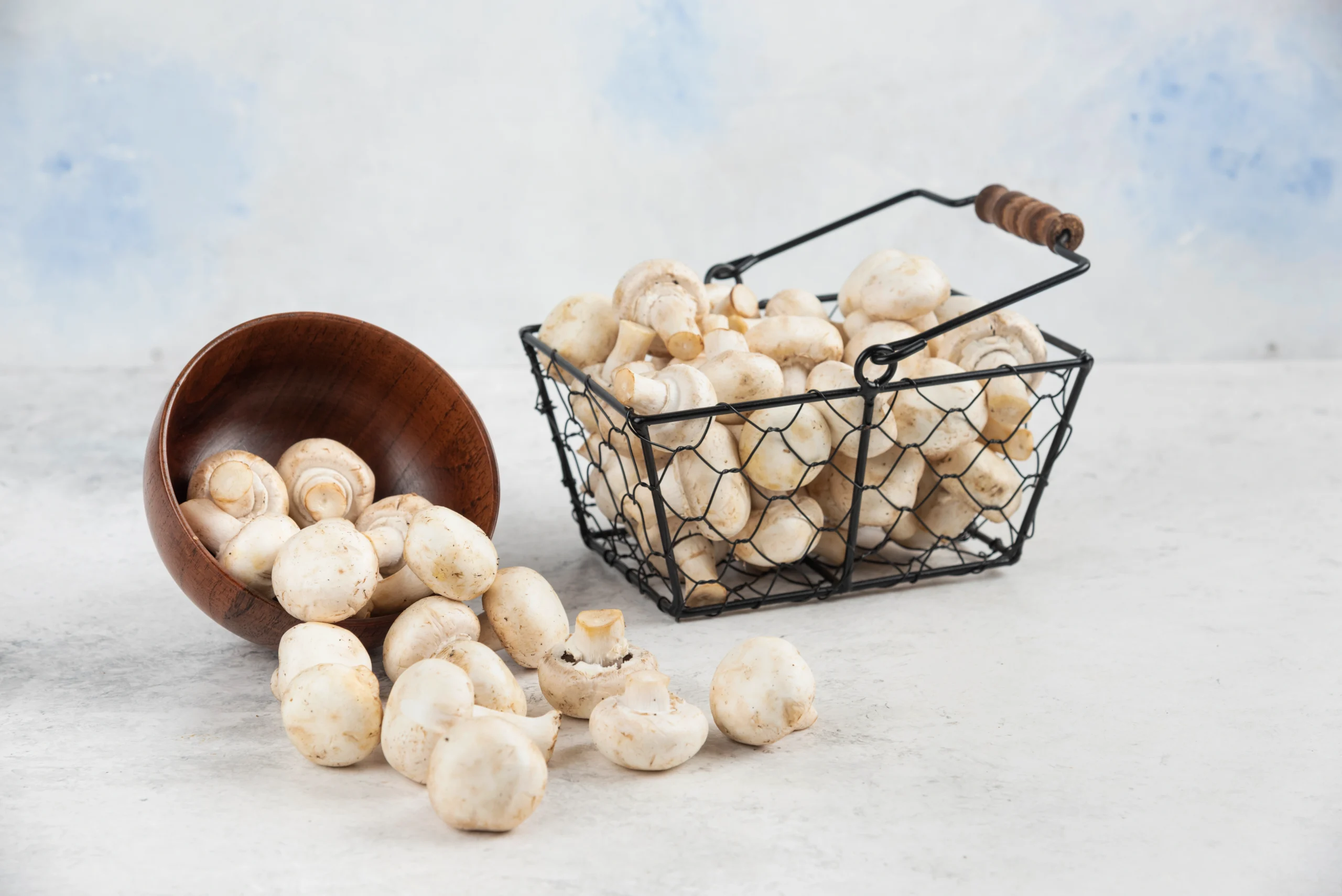
Certainly! Crimini mushrooms, also known as cremini or baby bella mushrooms, are a variety of the common button mushroom. Here’s a comprehensive overview based on your requested categories:
Basic Information
- Common Name: Crimini Mushroom
- Scientific Name: Agaricus bisporus
- Category: Fungi (commonly classified in culinary contexts as a vegetable)
- Varieties: Crimini mushrooms are essentially young portobello mushrooms. They are a more mature version of the white button mushrooms but younger than the larger portobellos.
Nutritional Information
Crimini mushrooms are a nutritious addition to a diet, offering a good balance of macronutrients and a wealth of micronutrients.
- Macronutrients (per 100 grams):
- Carbohydrates: 4.01g
- Proteins: 3.09g
- Fats: 0.2g
- Micronutrients:
- Rich in B vitamins, especially niacin (B3) and riboflavin (B2).
- Contains selenium, potassium, phosphorus, and copper.
- Offers a small amount of Vitamin D.
Phytonutrients
Crimini mushrooms, like other varieties of edible fungi, are packed with a range of phytonutrients that contribute to their health benefits. These compounds have antioxidant, anti-inflammatory, and potentially anti-cancer properties. Here’s a breakdown of the key phytonutrients present in crimini mushrooms:
1. Antioxidants:
- Selenium: An essential mineral that plays a critical role in DNA synthesis, reproduction, thyroid hormone metabolism, and protection from oxidative damage and infection.
- Ergothioneine: A naturally occurring amino acid and a potent antioxidant found in high concentrations in mushrooms. It helps protect the cells from oxidative stress.
2. Beta-Glucans:
- Beta-glucans: A form of soluble dietary fiber that’s strongly linked to improving cholesterol levels and boosting heart health. They also play a role in modulating the immune system, potentially reducing the risk of certain infections and enhancing overall immune defenses.
3. Polyphenols:
- Flavonoids and phenolic acids: Though less studied in mushrooms compared to plants, these polyphenols contribute to the antioxidant and anti-inflammatory properties of crimini mushrooms.
4. Vitamins:
- Vitamin D: When exposed to sunlight, mushrooms can produce vitamin D, particularly in the form of D2 (ergocalciferol). This is unique among fungi and plays a crucial role in bone health and immune function.
- B Vitamins: Including niacin (B3) and riboflavin (B2), which are important for energy production, DNA repair, and maintaining healthy skin.
5. Minerals:
- Copper: Plays a role in iron metabolism and is important for making red blood cells.
- Potassium: Essential for maintaining normal fluid balance, nerve transmission, and muscle function.
6. Chitin and Chitosan:
- Chitin: A polysaccharide that forms part of the structural integrity of mushrooms. It’s a source of dietary fiber.
- Chitosan: A derivative of chitin, known for its ability to lower cholesterol and act as an antimicrobial agent.
7. Triterpenoids:
- Triterpenoids: Found in the spores and fruiting bodies of mushrooms, these compounds have been studied for their potential to modulate the immune system, reduce inflammation, and inhibit tumor growth.
Crimini mushrooms’ phytonutrient content contributes to their health benefits, including supporting heart health, boosting the immune system, and providing anti-inflammatory and antioxidant effects. Incorporating crimini mushrooms into your diet can be a delicious way to take advantage of these beneficial compounds.
Calorie Count and Glycemic Index
- Calorie Count: Approximately 24 calories per 100 grams.
- Glycemic Index: Low (mushrooms in general have a low glycemic index due to their low carbohydrate content).
Physical Characteristics
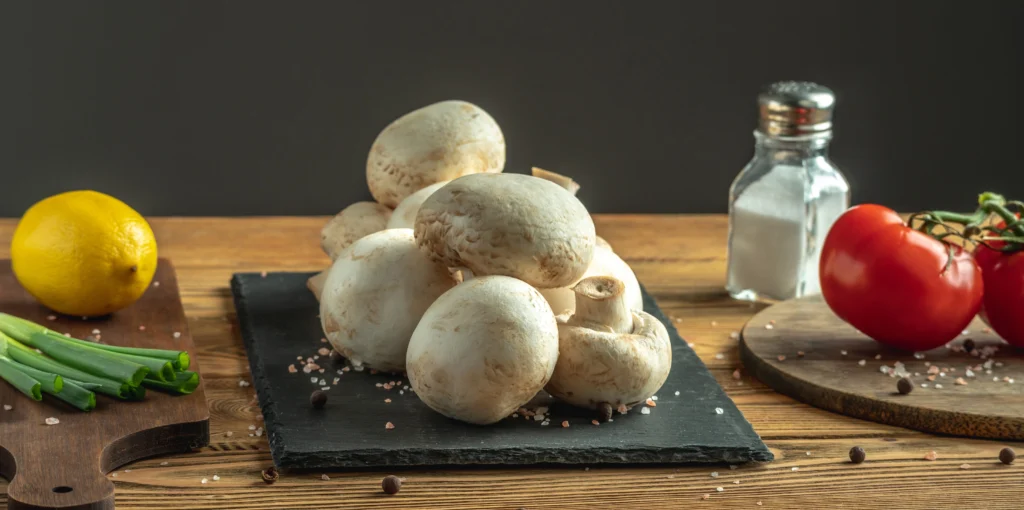
- Color: Brown
- Shape: Rounded cap with a short stem, similar to white button mushrooms but with a darker color.
- Size: Diameter of approximately 1.5 to 2 inches.
- Texture: Firm and meaty.
Culinary Uses
Crimini mushrooms are versatile in the kitchen, suitable for a wide range of dishes due to their rich, earthy flavor.
- Common Dishes: Used in soups, stews, sauces, salads, and as toppings for pizzas.
- Preparation Methods: Can be eaten raw, but are often sautéed, grilled, roasted, or stir-fried.
- Suitable Pairings: Complements garlic, onions, thyme, and parsley well; pairs nicely with beef, poultry, and in risottos or pasta dishes.
Geographical Information
- Origin: Crimini mushrooms, like all Agaricus bisporus varieties, were first cultivated in Europe but are now grown worldwide.
- Primary Growing Regions: Widely cultivated across North America, Europe, and Asia.
- Seasonal Availability: Available year-round due to indoor farming practices.
Crimini mushrooms are an excellent choice for those looking to add a nutritious, flavorful ingredient to their meals, adaptable to various cooking methods and cuisines.
| proximates: | |
| Water | 91.8 g |
| Energy (Atwater General Factors) | 30 kcal |
| Energy (Atwater Specific Factors) | 24 kcal |
| Nitrogen | 0.5 g |
| Protein | 3.09 g |
| Total lipid (fat) | 0.2 g |
| Ash | 0.88 g |
| Carbohydrates: | |
| Carbohydrate, by difference | 4.01 g |
| Fiber, total dietary | 1.8 g |
| Beta-glucan | 0.92 g |
| Minerals: | |
| Calcium, Ca | 4 mg |
| Iron, Fe | 0.31 mg |
| Magnesium, Mg | 10.2 mg |
| Phosphorus, P | 100 mg |
| Potassium, K | 380 mg |
| Sodium, Na | 5 mg |
| Zinc, Zn | 0.51 mg |
| Copper, Cu | 0.321 mg |
| Manganese, Mn | 0.061 mg |
| Selenium, Se | 15.3 µg |
| Vitamins and Other Components: | |
| Thiamin | 0.004 mg |
| Riboflavin | 0.517 mg |
| Niacin | 4.17 mg |
| Vitamin B-6 | 0.112 mg |
| Biotin | 12.6 µg |
| Glutathione | 5.7 mg |
| Phytosterols: | |
| Stigmasterol | <0.2 mg |
| Campesterol | <0.2 mg |
| Beta-sitosterol | <0.2 mg |
| Ergosta-7-enol | 2.14 mg |
| Ergosta-5,7-dienol | 5 mg |
| Ergosta-7,22-dienol | 1.82 mg |
| Ergosterol | 55 mg |
| Beta-sitostanol | <0.2 mg |
| Delta-5-avenasterol | <0.2 mg |
| Delta-7-Stigmastenol | <0.2 mg |
| Amino acids: | |
| Ergothioneine | 1 mg |