

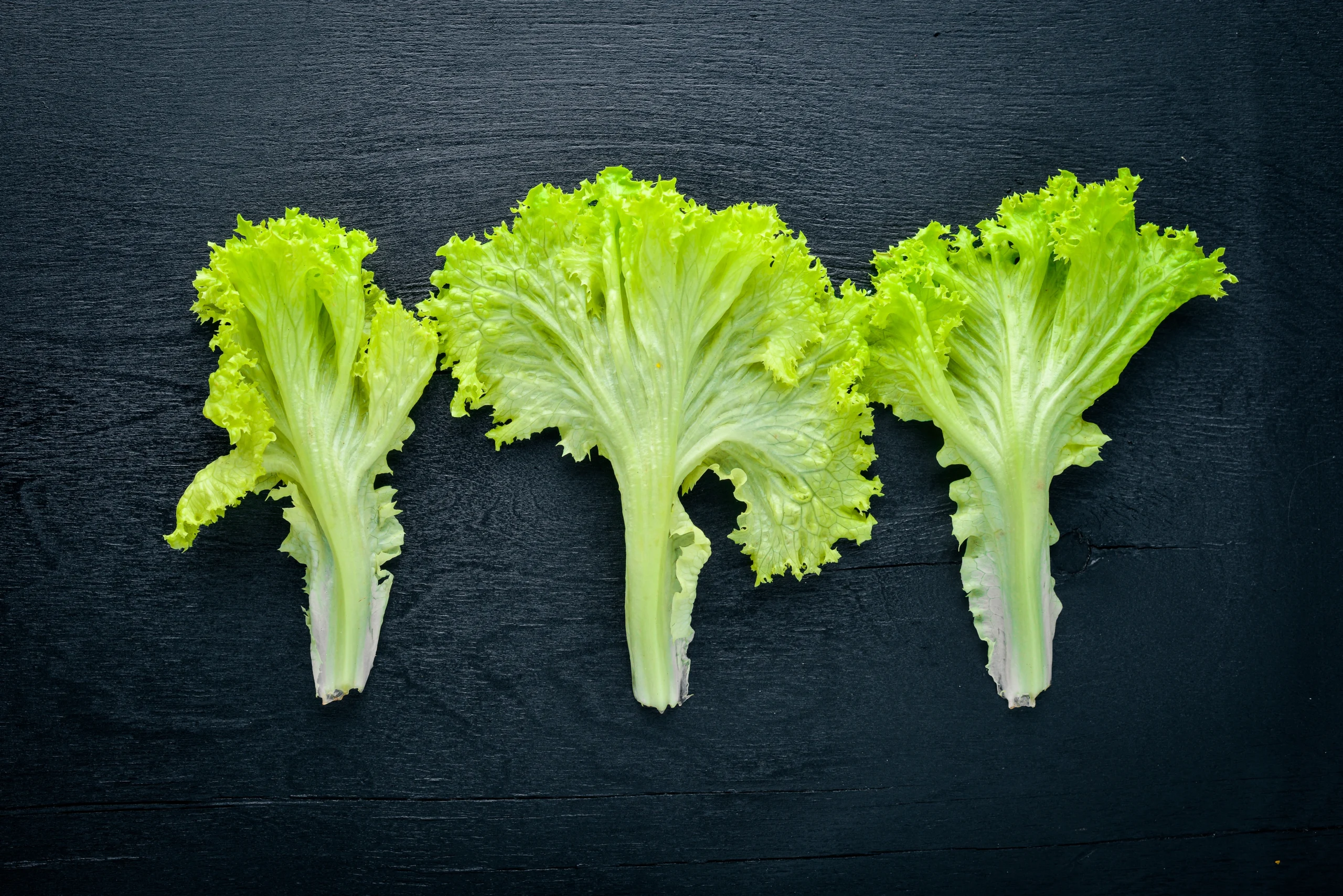
Basic Information
- Name: Cos or Romaine Lettuce
- Scientific Name: Lactuca sativa L. var. longifolia
- Category: Vegetable, Leafy Green
Varieties
Romaine lettuce is primarily a single variety but may come in slightly different forms depending on cultivation practices. There are no widely recognized sub-varieties, but the texture and taste can vary slightly.
Nutritional Information
- Macronutrients:
- Carbohydrates: About 3.24 g per 100 g, mainly fibers and sugars.
- Proteins: Approximately 1.24 g per 100 g.
- Fats: Negligible, less than 0.26 g per 100 g.
- Micronutrients: High in Vitamin A (as beta-carotene), Vitamin K, and also provides Vitamin C, folate, and minerals such as potassium, magnesium, and calcium.
phytonutrients
Raw cos or romaine lettuce is a nutritious leafy green vegetable packed with various phytonutrients that contribute to its health benefits, including vitamins, minerals, and bioactive compounds with antioxidant properties. Here’s a detailed overview of the key phytonutrients found in raw cos or romaine lettuce:
Types of Phytonutrients in Cos or Romaine Lettuce
- Beta-carotene: A type of carotenoid that the body can convert into vitamin A, beta-carotene is an antioxidant that supports eye health, skin health, and the immune system. Romaine lettuce is a good source of beta-carotene, giving the leaves their green color.
- Lutein and Zeaxanthin: These carotenoids are concentrated in the eye’s retina and are known for protecting against age-related macular degeneration and cataracts. Romaine lettuce is a rich source of both lutein and zeaxanthin.
- Vitamin C: While not exclusively a phytonutrient, vitamin C acts as a powerful antioxidant, supporting immune function, skin health, and collagen synthesis. Romaine lettuce provides a decent amount of vitamin C.
- Vitamin K: Essential for blood clotting and bone health, vitamin K also has antioxidant properties. Romaine lettuce is a very good source of vitamin K.
- Folate (Vitamin B9): Important for DNA synthesis and repair, folate also plays a role in cell division and growth, making it crucial for prenatal health. Romaine lettuce contributes to your daily folate intake.
- Dietary Fiber: Though not a phytonutrient, the dietary fiber in romaine lettuce is vital for digestive health, helping to maintain bowel regularity and lower cholesterol levels.
Nutritional Implications
The phytonutrients in romaine lettuce offer a variety of health benefits:
- Antioxidant Protection: The antioxidants present in romaine lettuce, including beta-carotene, vitamin C, and vitamin K, help protect cells from damage caused by free radicals, potentially reducing the risk of chronic diseases.
- Eye Health: The high levels of lutein and zeaxanthin are particularly beneficial for protecting the eyes and may reduce the risk of age-related eye disorders.
- Heart Health: The fiber, potassium, vitamin C, and beta-carotene in romaine lettuce can contribute to cardiovascular health by lowering blood pressure, reducing LDL cholesterol levels, and improving arterial function.
- Bone Health: Vitamin K in romaine lettuce plays a crucial role in bone health by improving calcium absorption and reducing urinary excretion of calcium.
Including raw cos or romaine lettuce in your diet can contribute valuable nutrients for overall health and wellness. Its versatility makes it easy to incorporate into salads, wraps, sandwiches, and other dishes, enhancing both the nutritional value and flavor of meals.
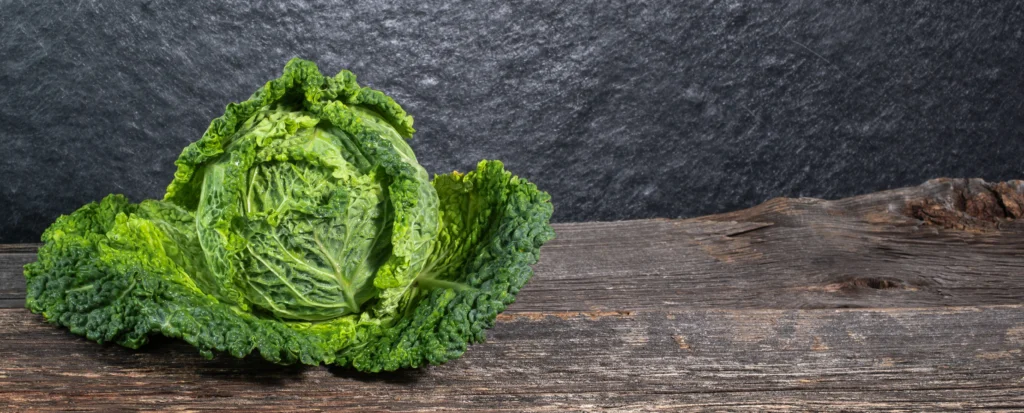
Calorie Count and Glycemic Index
- Calorie Count: Roughly 17 calories per 100 g.
- Glycemic Index: Very low, almost negligible due to the low carbohydrate content.
Physical Characteristics
- Color: Green leaves, often darker on the outside and lighter towards the center of the head.
- Shape: Elongated leaves that form a loose, elongated head.
- Size: Can grow up to 30 cm (12 inches) in height.
- Texture: Crisp and crunchy, especially in the rib (or spine) of the leaf.
Culinary Uses
Cos or Romaine lettuce is versatile in the kitchen and is used in a variety of dishes:
- Common Dishes: Salads (most famously in Caesar salads), sandwiches, and wraps. It can also be grilled or added to soups.
- Preparation Methods: Typically eaten raw to preserve its crunchiness, but can also be grilled or lightly cooked.
- Suitable Pairings: Works well with a wide range of dressings, from creamy to vinaigrette. Pairs nicely with tomatoes, cucumbers, onions, avocados, and various proteins (chicken, fish, beef, tofu).
Geographical Information
- Origin: Thought to originate in the Mediterranean region and the Middle East.
- Primary Growing Regions: Widely cultivated worldwide, with significant production in regions that offer moderate temperatures and plenty of water.
- Seasonal Availability: Available year-round, with peak seasons in the spring and fall when the weather is cooler.
Romaine or Cos lettuce is a popular type of lettuce known for its nutritional benefits, including high levels of Vitamin A and Vitamin K, and its crunchy texture, making it a favorite choice for salads and healthy dishes. Its adaptability to a variety of culinary uses and widespread availability make it a staple in many diets around the world
| proximates: | |
| Water | 94.7 g |
| Energy (Atwater General Factors) | 20 kcal |
| Energy (Atwater Specific Factors) | 17 kcal |
| Nitrogen | 0.2 g |
| Protein | 1.24 g |
| Total lipid (fat) | 0.26 g |
| Ash | 0.55 g |
| Carbohydrates: | |
| Carbohydrate, by difference | 3.24 g |
| Carbohydrate, by summation | 3 g |
| Fiber, total dietary | 1.8 g |
| Fiber, soluble | 0.1 g |
| Fiber, insoluble | 1.7 g |
| Sugars, Total | 1.19 g |
| Glucose | 0.39 g |
| Fructose | 0.8 g |
| Minerals: | |
| Calcium, Ca | 35 mg |
| Iron, Fe | 0.95 mg |
| Magnesium, Mg | 13.7 mg |
| Phosphorus, P | 30 mg |
| Potassium, K | 253 mg |
| Zinc, Zn | 0.25 mg |
| Copper, Cu | 0.048 mg |
| Manganese, Mn | 0.127 mg |
| Selenium, Se | 0.4 µg |
| Vitamins and Other Components: | |
| Vitamin C, total ascorbic acid | 4.6 mg |
| Thiamin | 0.079 mg |
| Riboflavin | 0.072 mg |
| Niacin | 0.323 mg |
| Pantothenic acid | 0.145 mg |
| Vitamin B-6 | 0.078 mg |
| Folate, total | 50 µg |
| Vitamin A, RAE | 436 µg |
| Carotene, beta | 5230 µg |
| Lutein + zeaxanthin | 2310 µg |
| Vitamin E (alpha-tocopherol) | 0.14 mg |
| Tocopherol, gamma | 0.32 mg |
| Tocopherol, delta | 0.01 mg |
| Tocotrienol, alpha | 0.03 mg |
| Vitamin K (phylloquinone) | 102 µg |
| Amino acids: | |
| Tryptophan | 0.011 g |
| Threonine | 0.044 g |
| Isoleucine | 0.045 g |
| Leucine | 0.076 g |
| Lysine | 0.064 g |
| Methionine | 0.014 g |
| Cystine | 0.006 g |
| Phenylalanine | 0.066 g |
| Tyrosine | 0.024 g |
| Valine | 0.055 g |
| Arginine | 0.054 g |
| Histidine | 0.021 g |
| Alanine | 0.056 g |
| Aspartic acid | 0.14 g |
| Glutamic acid | 0.179 g |
| Glycine | 0.049 g |
| Proline | 0.045 g |
| Serine | 0.05 g |
| Isoflavones: | |
| 5-Formyl Tetrahydrofolic acid (5-HCOONH4 | 5 µg |
| 10-Formyl folic acid (10HCOFA) | 9 µg |
| 5-methyltetrahydrofolate (5-MTHF) | 40 µg |