
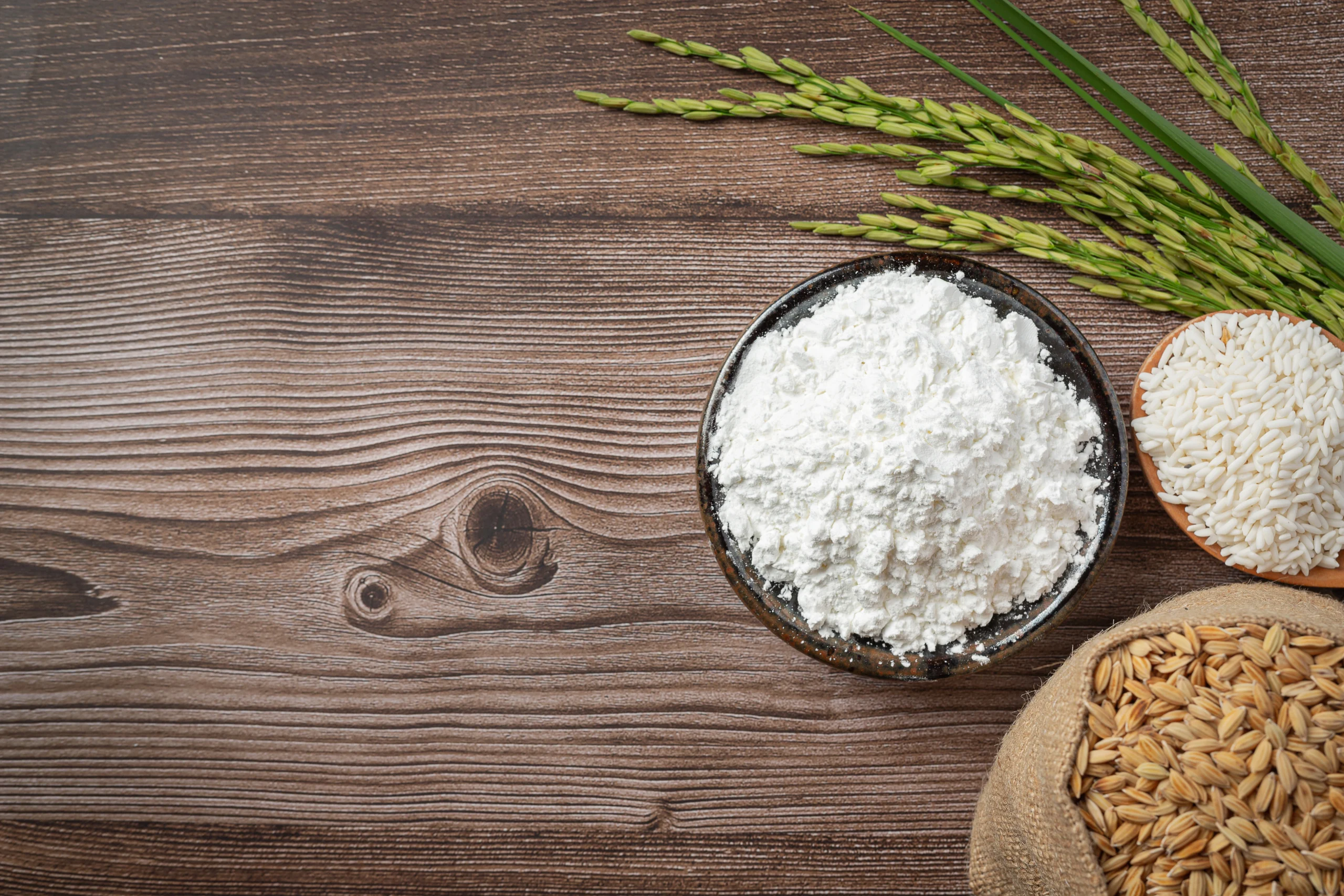
Brown rice flour is made by grinding whole brown rice kernels, retaining the bran and germ, which results in a nutritious, whole grain, gluten-free flour. This flour is an excellent alternative for those with gluten sensitivities or anyone looking to add a nutritious and versatile flour to their cooking and baking repertoire. Here’s a detailed look at brown rice flour:
Basic Information
- Common Name: Brown Rice Flour
- Scientific Name: Oryza sativa
- Category: Whole grain, gluten-free flour
- Varieties: Brown rice flour can be made from various types of brown rice, including short, medium, and long-grain varieties, which may slightly affect the texture and flavor of the flour.
Nutritional Information
- Macronutrients:
- Carbohydrates: High in carbohydrates, approximately 75.5 grams per 100 grams, with a good amount of dietary fiber (around 3-7 grams per 100 grams).
- Proteins: Contains about 7.19 grams of protein per 100 grams.
- Fats: Low in fat, with about 3.85 grams per 100 grams, including a mix of monounsaturated, polyunsaturated, and saturated fats.
- Micronutrients: A good source of various micronutrients, including B vitamins (especially thiamine and niacin), magnesium, phosphorus, iron, and selenium. It also retains some of the antioxidants found in whole brown rice.
Phytonutrients
Brown rice flour, made from the whole grain of Oryza sativa, retains much of the nutritional value found in the whole rice grain, including its phytonutrients. These compounds, found naturally in plants, offer various health benefits, including antioxidant, anti-inflammatory, and disease-preventing properties. Here’s an overview of the key phytonutrients present in brown rice flour:
Phytonutrients in Brown Rice Flour
- Phenolic Compounds: Brown rice flour contains phenolic acids and flavonoids, which are potent antioxidants. Ferulic acid, one of the most abundant phenolic acids in brown rice, is known for its strong antioxidant activity, helping to neutralize free radicals and reduce oxidative stress.
- Gamma-Oryzanol: Unique to rice, gamma-oryzanol is a compound that has antioxidant properties. It’s also been studied for its potential to improve cholesterol levels, reduce the risk of heart disease, and provide anti-inflammatory effects.
- Tocopherols and Tocotrienols: These are forms of vitamin E found in brown rice flour, known for their antioxidant properties. Tocotrienols, in particular, have been researched for their ability to lower cholesterol levels and protect against heart disease.
- Inositol: While not a phytonutrient in the traditional sense, inositol is a naturally occurring compound in brown rice that plays a role in cell signaling and insulin regulation, contributing to the maintenance of healthy blood sugar levels.
Nutritional Context and Health Implications
The presence of these phytonutrients in brown rice flour contributes to its health benefits, making it a valuable addition to a balanced diet. The antioxidants help protect against chronic diseases by combating oxidative stress, while compounds like gamma-oryzanol and tocotrienols may contribute to heart health.
Considerations
While brown rice flour is a nutritious option, offering both macronutrients and a range of phytonutrients, it’s important to consume it as part of a varied diet. This ensures you receive a broad spectrum of nutrients and phytonutrients from different sources for optimal health.
In summary, brown rice flour is not only a gluten-free alternative to wheat flour but also a source of beneficial phytonutrients. Its antioxidant, anti-inflammatory, and potentially cholesterol-lowering properties make it a healthful choice for those looking to incorporate more whole grain, nutrient-dense ingredients into their diet.
Calorie Count and Glycemic Index
- Calorie Count: Approximately 365 calories per 100 grams.
- Glycemic Index: Medium to high, typically in the range of 60-70, though this can vary based on how the flour is used in recipes.
Physical Characteristics
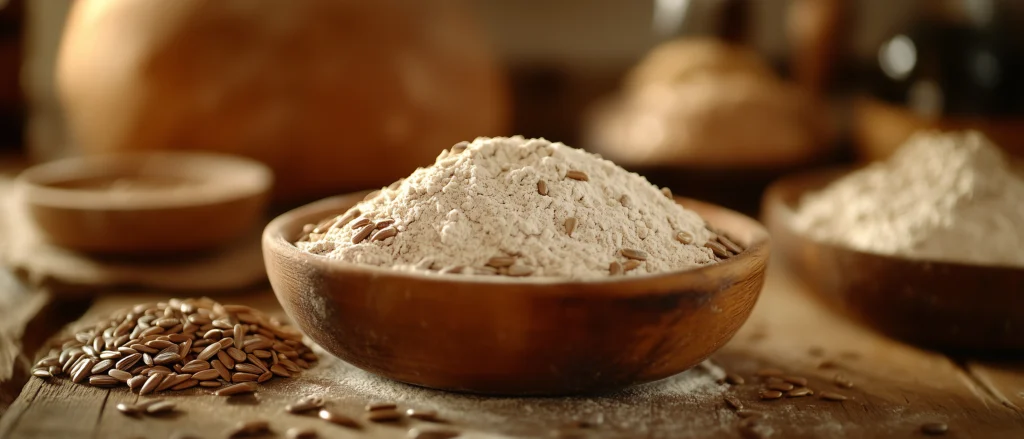
- Color: Light brown or beige, reflecting the whole grain nature of the flour.
- Shape: Fine powder.
- Size: Consistency similar to all-purpose flour but may feel slightly grittier due to the presence of bran.
- Texture: Soft and slightly grainy, with a natural earthiness.
Culinary Uses
Brown rice flour is highly versatile in the kitchen:
- Common Dishes: Widely used in gluten-free baking for bread, muffins, cookies, and pancakes. It’s also used as a thickener for sauces and soups and in the preparation of noodles and pasta.
- Preparation Methods: Can be used alone or mixed with other gluten-free flours to achieve desired textures in baked goods. It’s also suitable for breading and as a coating for fried foods.
- Suitable Pairings: Complements both sweet and savory flavors. It pairs well with other gluten-free flours like almond or coconut flour to enhance baked goods’ flavor and texture.
Geographical Information
- Origin: Rice is a staple food for a large part of the world’s population, with its cultivation dating back thousands of years, likely originating in the regions of China and India.
- Primary Growing Regions: Today, rice is grown in over 100 countries with major producers including China, India, Indonesia, Bangladesh, and Vietnam.
- Seasonal Availability: Brown rice flour is available year-round, thanks to widespread cultivation and the storage stability of rice and its flour.
Brown rice flour offers a nutritious and gluten-free alternative to traditional wheat flour, making it a valuable ingredient for diverse dietary needs. Its whole grain composition ensures that it retains the nutritional benefits of brown rice, including a good fiber content and essential micronutrients, contributing to a healthy and balanced diet.
| proximates: | |
| Water | 12.1 g |
| Energy (Atwater General Factors) | 365 kcal |
| Energy (Atwater Specific Factors) | 368 kcal |
| Nitrogen | 1.15 g |
| Protein | 7.19 g |
| Total lipid (fat) | 3.85 g |
| Ash | 1.4 g |
| Carbohydrates: | |
| Carbohydrate, by difference | 75.5 g |
| Minerals: | |
| Calcium, Ca | 10 mg |
| Iron, Fe | 1.5 mg |
| Magnesium, Mg | 124 mg |
| Phosphorus, P | 319 mg |
| Potassium, K | 265 mg |
| Sodium, Na | 1 mg |
| Zinc, Zn | 1.91 mg |
| Copper, Cu | 0.286 mg |
| Manganese, Mn | 2.84 mg |
| Selenium, Se | 9.7 µg |
| Molybdenum, Mo | 56.2 µg |
| Vitamins and Other Components: | |
| Thiamin | 0.322 mg |
| Riboflavin | 0.008 mg |
| Niacin | 5.99 mg |
| Vitamin B-6 | 0.132 mg |