
Basic Information
Name: Cottage Cheese (Full Fat, Large or Small Curd)
Scientific: Not typically referred to by a scientific name as it is a processed dairy product, but it originates from the milk of cows (Bos taurus).
Category: Dairy product
Varieties: Primarily categorized by fat content (full-fat, low-fat, non-fat) and curd size (large curd, small curd). The full-fat version typically contains about 4% milkfat.
Nutritional Information
For a serving size of 100 grams of full-fat cottage cheese:
Macronutrients
- Carbohydrates: Approximately 4.6 grams, mostly from lactose.
- Proteins: About 11.6 grams, offering a high-quality source of essential amino acids.
- Fats: Around 4.22 grams, including saturated fats.
Micronutrients
Vitamins: Contains B-vitamins such as B12, Riboflavin (B2), and small amounts of Vitamin A.
Minerals: Rich in Calcium, Phosphorus, Selenium, and contains some Potassium and Zinc.
Phytonutrients
Cottage cheese, particularly full-fat varieties with large or small curds, is primarily valued for its macronutrient profile, including high-quality protein, fats, and essential minerals. However, unlike plant-based foods that are rich in phytonutrients, cottage cheese does not contain these compounds in significant amounts. Phytonutrients are bioactive compounds found in plants, fruits, vegetables, grains, and nuts, providing various health benefits and contributing to the plant’s color, flavor, and resistance to disease.
Since cottage cheese is an animal-derived product, its health benefits come mainly from its content of macronutrients, vitamins, and minerals rather than phytonutrients. Here’s a breakdown of its nutritional components and related benefits:
Macronutrients in Cottage Cheese
Proteins: Cottage cheese is an excellent source of casein protein, which is slow-digesting and can help in muscle repair and growth.
Fats: The full-fat version contains saturated fats, which can contribute to the creamy texture and flavor.
Carbohydrates: Contains a small amount of lactose.
Micronutrients in Cottage Cheese
Vitamins: It provides B-complex vitamins like B12 and riboflavin (B2), which are essential for energy production and maintaining healthy skin and eyes.
Minerals: Rich in calcium, important for bone health; phosphorus, which plays a role in bone formation and cellular repair; and selenium, an antioxidant that helps protect cells from damage.
Absence of Phytonutrients
Cottage cheese does not contain phytonutrients because it is not a plant-based food. Phytonutrients, such as flavonoids, carotenoids, and polyphenols, are compounds produced by plants. Instead, the nutritional value of cottage cheese comes from its high-quality protein, essential fats, vitamins, and minerals, which are crucial for maintaining good health, supporting muscle maintenance and growth, and ensuring proper bodily functions.
Health Considerations
While cottage cheese doesn’t provide phytonutrients, its high protein content and essential nutrients make it a valuable addition to various diets, especially for individuals focusing on muscle building, weight loss, or those requiring easily digestible, high-quality protein sources. However, those with lactose intolerance or dairy sensitivities should consume it cautiously.
In summary, while cottage cheese is nutrient-dense, it does not contain phytonutrients due to its animal-based nature. Its benefits are derived from its protein, fat, vitamin, and mineral content, contributing to a balanced and nutritious diet.
Calorie Count and Glycemic Index
- Calorie Count: About 98 calories per 100 grams.
- Glycemic Index: Low; dairy products typically have a low glycemic index due to their low carbohydrate content.
Physical Characteristics
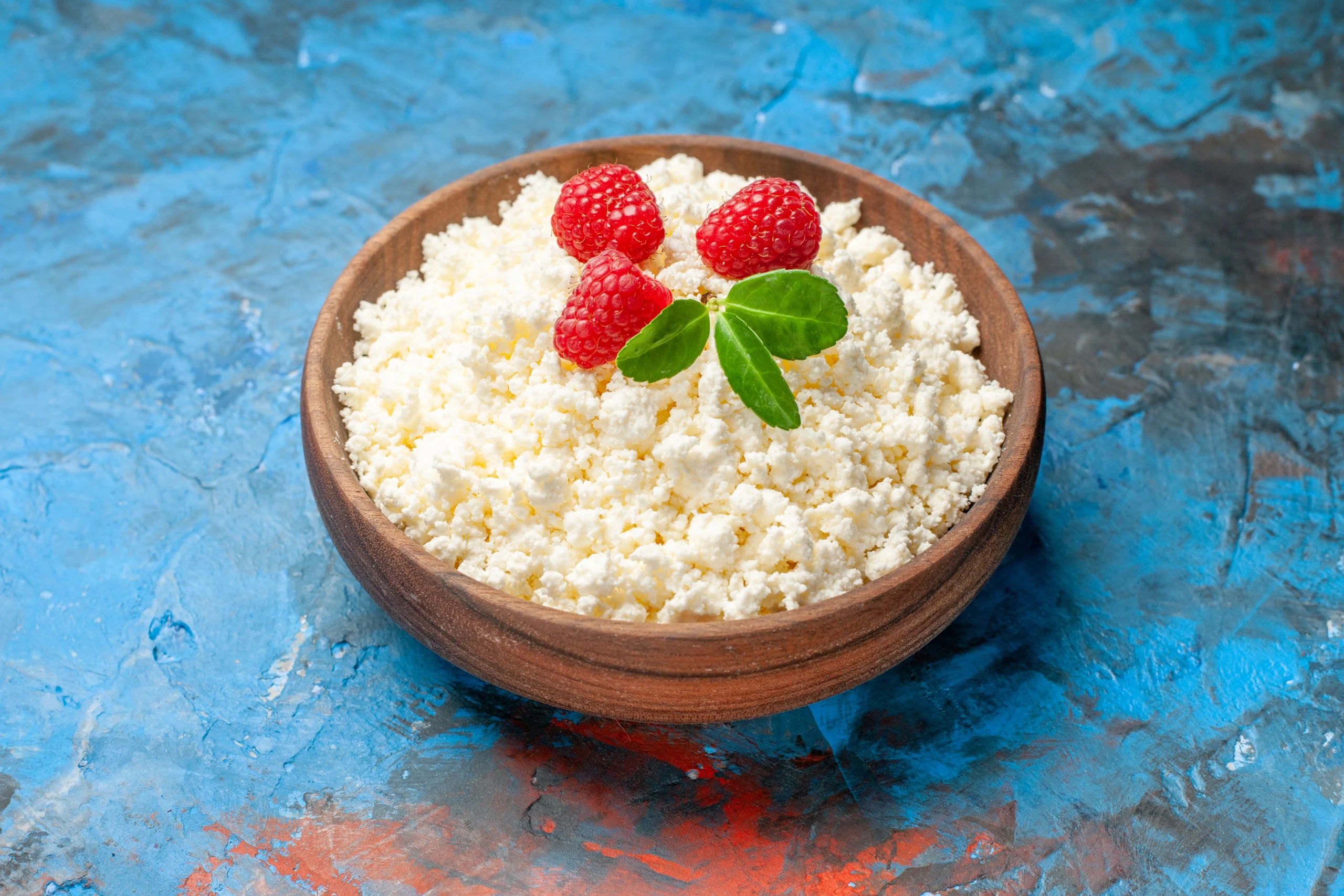
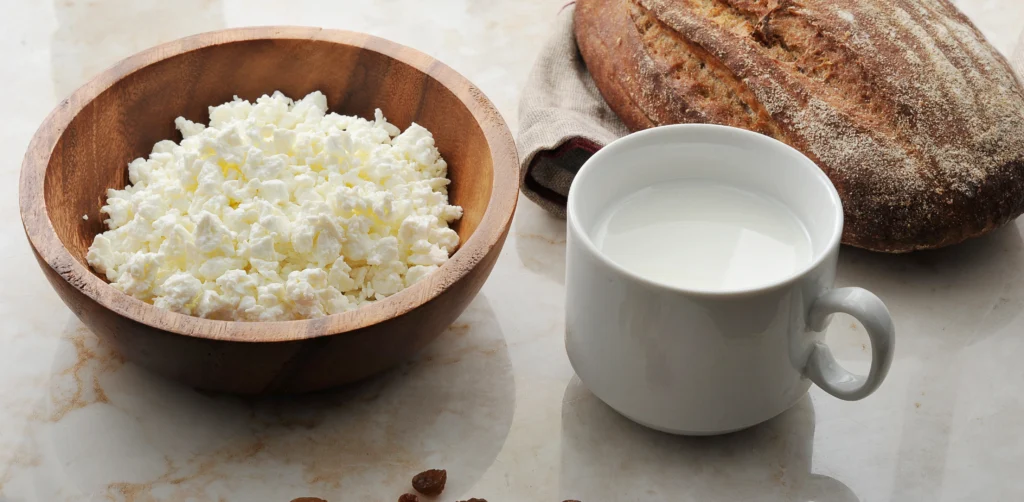
Color: White to off-white.
Shape: Dependent on curd size; can be large chunky curds or small granular curds.
Size: Variable based on packaging but typically found in containers ranging from single-serving cups to larger tubs.
Texture: Moist, creamy, and slightly lumpy, with the curds being soft and somewhat springy to the touch.
Culinary Uses
Common Dishes: Eaten on its own as a snack or breakfast component, mixed with fruits or honey, used in salads, as a topping for baked potatoes, or incorporated into recipes like lasagna for added texture and protein.
Preparation Methods: Usually consumed fresh and chilled, with no cooking required.
Suitable Pairings: Combines well with fresh fruits, nuts, honey, and can be used as a substitute for ricotta cheese in pasta dishes or baking recipes.
Geographical Information
Origin: The exact origins are difficult to pinpoint, but cottage cheese has been a staple in many cultures for centuries, likely originating from the practice of utilizing leftover milk.
Primary Growing Regions: As a dairy product, its production is tied to areas with significant dairy farming, such as the United States, Europe (particularly Eastern Europe), and parts of Asia.
Seasonal Availability: Available year-round due to controlled dairy production processes.
Cottage cheese is celebrated for its versatility in the kitchen and its contribution to a balanced diet, offering a rich source of protein and calcium with a relatively low calorie count. The full-fat version, with its creamy texture and mild flavor, provides a satisfying option for those not restricting fat intake, contributing to its popularity as a nutritious food choice across various diets and culinary preferences.
| Proximates: | |
| Water | 78.1 g |
| Energy (Atwater General Factors) | 103 kcal |
| Energy (Atwater Specific Factors) | 105 kcal |
| Nitrogen | 1.82 g |
| Protein | 11.6 g |
| Total lipid (fat) | 4.22 g |
| Ash | 1.45 g |
| Carbohydrates: | |
| Carbohydrate, by difference | 4.6 g |
| Minerals: | |
| Calcium, Ca | 88 mg |
| Iron, Fe | <>0.4 mg |
| Magnesium, Mg | 9.2 mg |
| Phosphorus, P | 154 mg |
| Potassium, K | 124 mg |
| Sodium, Na | 350 mg |
| Zinc, Zn | 0.45 mg |
| Copper, Cu | <0.04 mg |
| Manganese, Mn | <0.08 mg |
| Iodine, I | <45.7 µg |
| Vitamins and Other Components: | |
| Thiamin | 0.052 mg |
| Niacin | 0.138 mg |
| Vitamin B-6 | 0.047 mg |
| Biotin | 2.28 µg |
| Vitamin B-12 | 0.66 µg |
| Retinol | 36 µg |
| Lipids: | |
| Fatty acids, total saturated | 2.6 g |
| SFA 12:0 | 0.136 g |
| SFA 14:0 | 0.424 g |
| SFA 16:0 | 1.23 g |
| SFA 18:0 | 0.383 g |
| Fatty acids, total monounsaturated | 0.916 g |
| PUFA 18:2 n-6 c,c | 0.097 g |
| Cholesterol | 18 mg |