

Basic Information
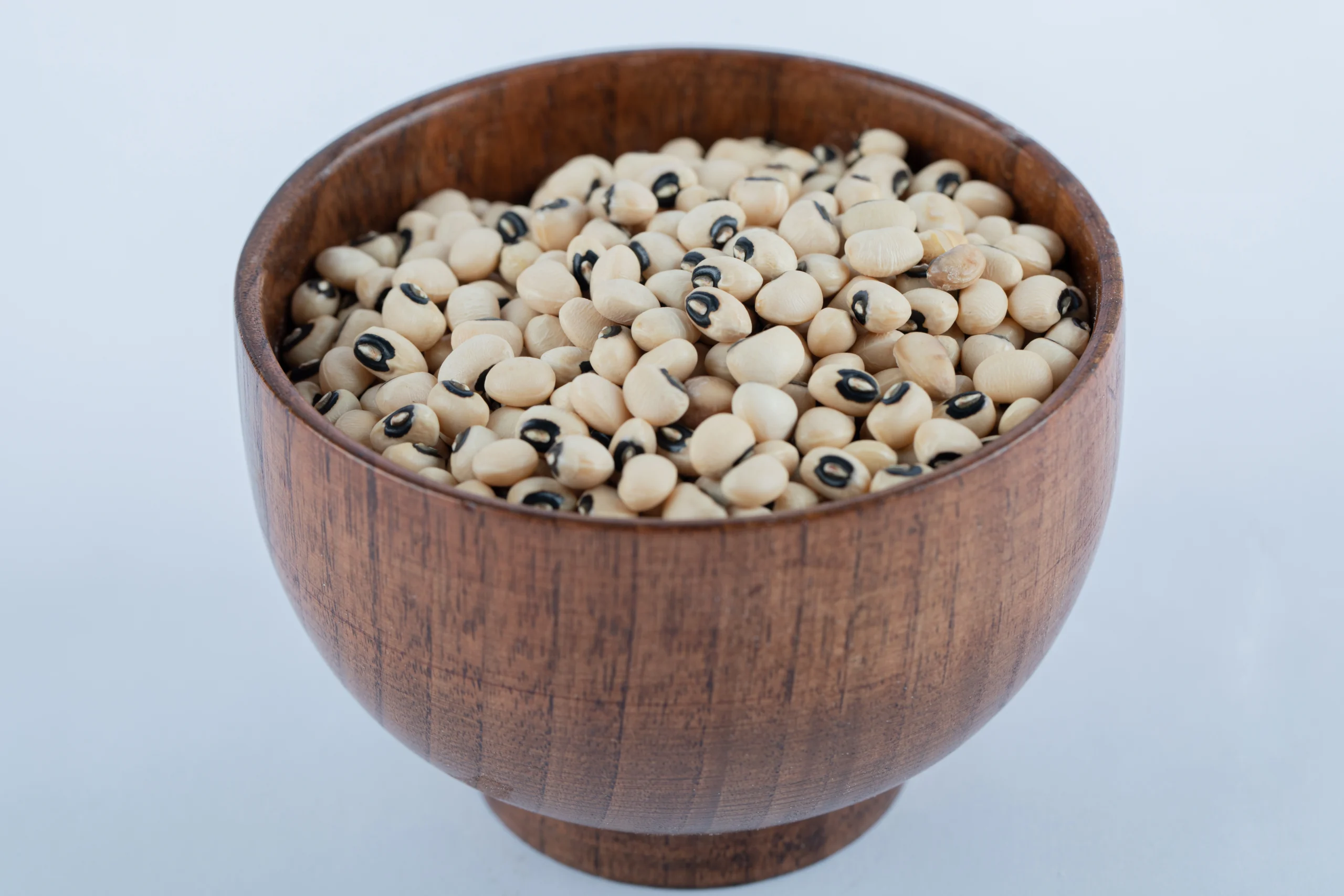
- Common Name: Blackeye Pea (also known as Black-eyed Bean or Cowpea)
- Scientific Name: Vigna unguiculata subsp. unguiculata
- Category: Legume (Vegetable)
- Varieties: The blackeye pea is a type of cowpea, and while there may be minor variations, the canned version typically does not specify varieties. The main variation comes from whether sodium is added during canning.
Nutritional Information
- Macronutrients: Canned blackeye peas with sodium added, when drained and rinsed, provide a good balance of carbohydrates and protein, with a low fat content. A typical serving (1/2 cup or approximately 125 grams) contains:
- Carbohydrates: About 19.2 grams
- Proteins: Approximately 6.92 grams
- Fats: Less than 1.3 gram
- Micronutrients: Rich in fiber, folate, and minerals such as iron, magnesium, potassium, and zinc. They also contain vitamins A and B.
Phytonutrients
Blackeye peas, like other legumes, are rich in a variety of phytonutrients that contribute to their health benefits. These plant-based compounds have antioxidant, anti-inflammatory, and overall health-promoting properties. While the canning process may slightly alter the levels of some phytonutrients compared to their fresh or dried counterparts, canned blackeye peas still retain a significant amount of these beneficial compounds, especially when drained and rinsed to reduce sodium. Here’s an overview of the key phytonutrients found in blackeye peas:
1. Fiber
- Type: Both soluble and insoluble fiber.
- Benefits: Supports digestive health, helps regulate blood sugar levels, and can lower cholesterol.
2. Phenolic Compounds
- Type: Includes flavonoids and tannins.
- Benefits: Antioxidant properties, which can help reduce inflammation and protect cells from oxidative stress, potentially lowering the risk of chronic diseases.
3. Isoflavones
- Type: A class of phytoestrogens that are found in legumes.
- Benefits: Associated with reduced risk of certain health conditions like heart disease and improved bone health. They may also have antioxidant effects.
4. Saponins
- Type: Glycosides with a foaming characteristic.
- Benefits: May lower cholesterol, have anti-cancer properties, and contribute to immune function.
5. Protease Inhibitors
- Type: Proteins that can inhibit enzymes involved in the digestion of proteins.
- Benefits: Have been studied for their potential to reduce cancer risk.
6. Resistant Starch
- Type: A type of starch not digested in the small intestine, thus functioning like fiber.
- Benefits: Feeds beneficial gut bacteria, improves gut health, and helps in managing blood sugar levels.
Despite being processed, canned blackeye peas with sodium added, when drained and rinsed, are a nutritious option that provides these phytonutrients alongside essential vitamins, minerals, and macronutrients. Including blackeye peas in your diet can contribute to a variety of health benefits, supporting overall well-being.
- Calorie Count: Roughly 100-120 calories per 1/2 cup serving.
- Glycemic Index: Medium (approximately 30-50), but draining and rinsing can lower the glycemic impact.

Physical Characteristics
- Color: Creamy white with a distinctive black spot where the pea was attached to the pod.
- Shape: Small, kidney-shaped with a somewhat oval appearance.
- Size: Typically about 1/4 to 1/2 inch in diameter.
- Texture: Soft and creamy when cooked, with a slightly firm bite.
Culinary Uses
Blackeye peas are versatile in the kitchen, suitable for a variety of dishes:
- Common Dishes: Popular in Southern United States cuisine, used in dishes like Hoppin’ John (served with rice), salads, stews, and soups.
- Preparation Methods: Can be used directly from the can, added to dishes without the need for pre-cooking. Draining and rinsing are recommended to reduce sodium content.
- Suitable Pairings: Complements flavors from smoked meats, greens (such as collard or kale), and spicy seasonings. Works well in grain bowls, alongside rice, or mixed with vegetables.
Geographical Information
- Origin: Native to Africa, blackeye peas have been cultivated around the world for thousands of years.
- Primary Growing Regions: Today, they are grown in many parts of the world, including Africa, the Southern United States, and parts of Asia.
- Seasonal Availability: As a canned product, blackeye peas are available year-round. Fresh or dried blackeye peas may have more specific seasonal availability depending on the region.
Blackeye peas, especially when canned with sodium added, offer convenience and nutritional benefits, making them a staple ingredient in many healthy diets. Their widespread availability and versatile culinary uses have made them a favorite among cooks and consumers alike.
| Proximates: | |
| Water | 71.6 g |
| Energy (Atwater General Factors) | 116 kcal |
| Energy (Atwater Specific Factors) | 113 kcal |
| Nitrogen | 1.11 g |
| Protein | 6.92 g |
| Total lipid (fat) | 1.3 g |
| Ash | 0.99 g |
| Carbohydates: | |
| Carbohydrate, by difference | 19.2 g |
| Total dietary fiber (AOAC 2011.25) | 4.34 g |
| Starch | 13.6 g |
| Minerals: | |
| Calcium, Ca | 28 mg |
| Iron, Fe | 1.08 mg |
| Magnesium, Mg | 27.3 mg |
| Phosphorus, P | 83 mg |
| Potassium, K | 138 mg |
| Sodium, Na | 227 mg |
| Zinc, Zn | 0.66 mg |
| Copper, Cu | 0.285 mg |
| Manganese, Mn | 0.222 mg |