

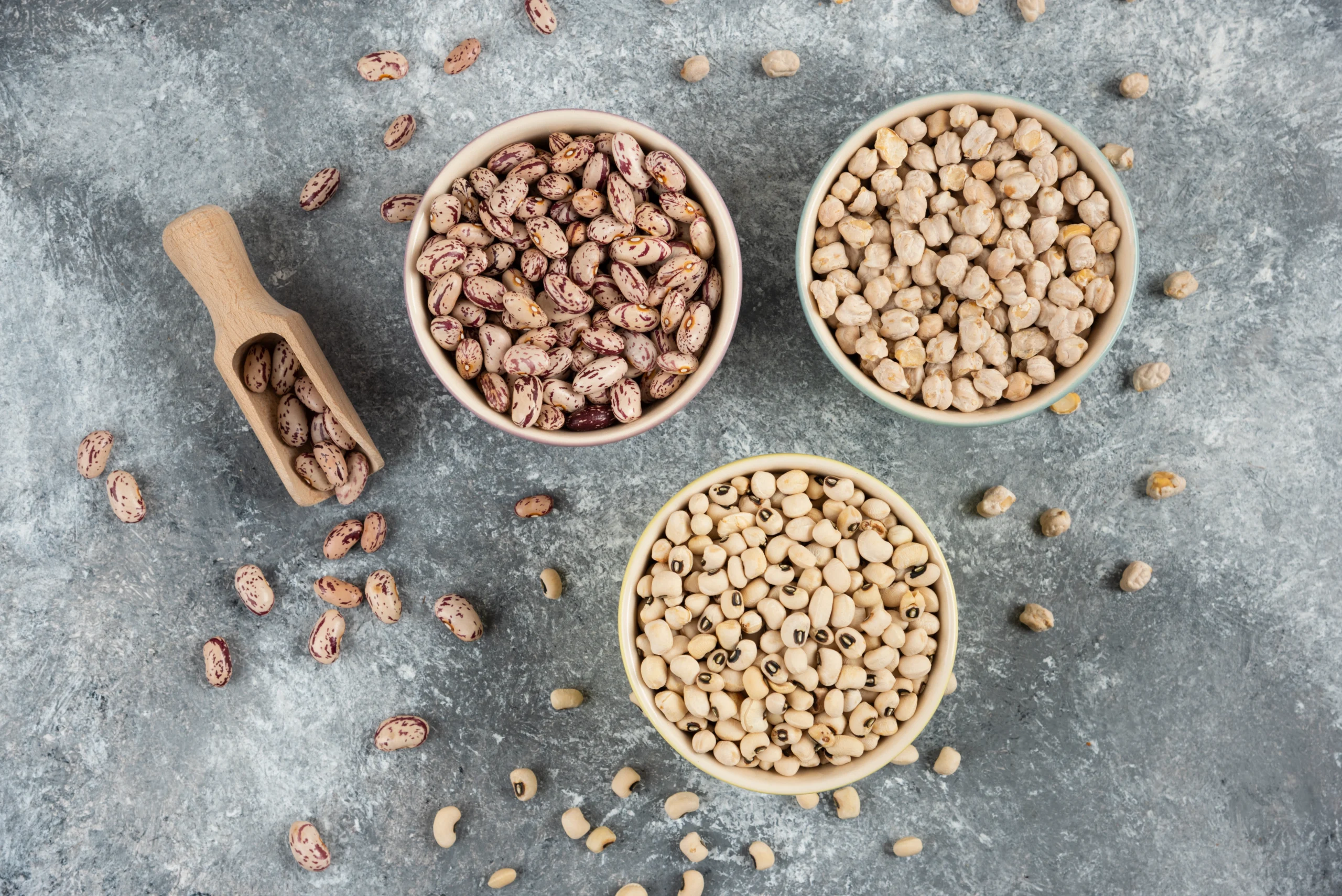
Dry light tan beans, while not as commonly specified by color in culinary or botanical sources as other bean varieties, can be associated with several types of beans that have a light tan coloration. For the purpose of providing comprehensive information, I’ll generalize the characteristics that could apply to a range of beans fitting this description, such as pinto beans, Great Northern beans, or even certain types of lentils that might have a light tan appearance.
Basic Information
- Name: Light Tan Beans (Dry)
- Scientific Name: Phaseolus vulgaris (assuming they are a variety of common beans)
- Category: Legume
- Varieties: This description could apply to several types of beans, including but not limited to certain varieties of pinto beans, small white beans, or even some lentils.
Nutritional Information
- Macronutrients:
- Carbohydrates: Approximately 60-70g per 100g, with significant dietary fiber content.
- Proteins: Roughly 24.6g per 100g, a valuable plant-based protein source.
- Fats: Low, typically around 1.28g per 100g.
- Micronutrients:
- Vitamins: Good sources of B-vitamins, especially folate (B9) and thiamine (B1).
- Minerals: Rich in iron, magnesium, potassium, and zinc.
Phytonutrients
Dry light tan beans, similar to other varieties of legumes, contain a range of phytonutrients that contribute to their health benefits. These compounds have antioxidant, anti-inflammatory, and potentially disease-preventing properties. Given the general description, the phytonutrient profile discussed here can apply broadly to various types of light tan beans, such as pinto beans, Great Northern beans, or certain varieties of lentils that exhibit a light tan color. Here’s an overview of the key phytonutrients present in these beans:
Phytonutrients in Dry Light Tan Beans
- Phenolic Compounds:
- These beans are rich in phenolic acids, including ferulic acid, caffeic acid, and p-coumaric acid, which are known for their antioxidant properties. They help to neutralize free radicals, reducing oxidative stress and the risk of chronic diseases.
- Flavonoids:
- Flavonoids such as quercetin and kaempferol are present in light tan beans. These molecules have anti-inflammatory and antioxidant effects, contributing to the prevention of certain health conditions and supporting overall well-being.
- Saponins:
- Saponins found in these beans have been shown to boost immune function and may help lower blood cholesterol levels. They also exhibit antioxidant and anti-inflammatory benefits.
- Tannins:
- Tannins, which have astringent properties, contribute to the antioxidant activity of the beans. They may also have antimicrobial effects and play a role in preventing certain types of infections.
- Phytosterols:
- Light tan beans contain phytosterols that can help lower cholesterol levels in the blood, thereby contributing to cardiovascular health.
- Resistant Starch:
- While not a phytonutrient, resistant starch is a noteworthy component. It acts as a prebiotic, feeding beneficial gut bacteria and supporting digestive health. Resistant starch may also help regulate blood sugar levels and promote satiety.
Health Benefits
The phytonutrients in dry light tan beans offer several health benefits, including:
- Antioxidant and Anti-inflammatory Effects: The combination of phenolic compounds and flavonoids helps reduce inflammation and protect the body against oxidative stress.
- Heart Health: Saponins and phytosterols support cardiovascular health by improving lipid profiles and lowering cholesterol levels.
- Digestive Health: The prebiotic effects of resistant starch promote a healthy gut microbiome, which is essential for overall digestive health.
Considerations
Incorporating light tan beans into a balanced diet can offer significant health benefits due to their rich phytonutrient profile. Proper preparation, including soaking and cooking, is essential to reduce potential antinutrients and improve the bioavailability of these beneficial compounds, making them more accessible and beneficial for consumption.
- Calorie Count: About 330-350 calories per 100g.
- Glycemic Index: Generally low to medium, beneficial for blood sugar control.
Physical Characteristics
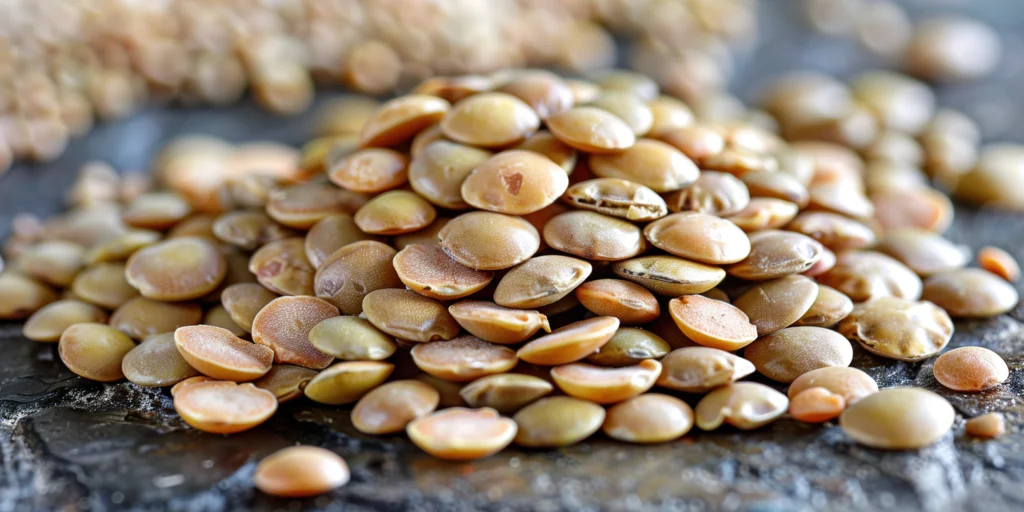
- Color: Light tan, varying slightly depending on the specific type of bean.
- Shape: Shapes can vary from rounded to slightly elongated, typical of many bean varieties.
- Size: Size can vary, with most beans being about 1/2 inch in length.
- Texture: Hard when dry; becomes tender when cooked, with a creamy interior.
Culinary Uses
- Common Dishes: Used in soups, stews, salads, and as a base for dips. Can be mashed for spreads or used whole in various dishes.
- Preparation Methods: Requires soaking and boiling to become edible. Can be cooked on the stovetop, in slow cookers, or pressure cookers.
- Suitable Pairings: Complements flavors like garlic, onion, cumin, and herbs such as cilantro. Works well with meats, especially pork and chicken, and in vegetarian dishes with rice or vegetables.
Geographical Information
- Origin: Beans are indigenous to the Americas, with archaeological evidence indicating their cultivation in both South and Central America for thousands of years.
- Primary Growing Regions: Widely cultivated globally, with significant production in the United States, Mexico, India, and Brazil.
- Seasonal Availability: As a dry product, light tan beans are available year-round, providing a stable and accessible source of nutrition.
Dry light tan beans, with their versatile flavor profile and nutritional benefits, are a staple ingredient in many traditional and contemporary recipes. High in protein and fiber, they contribute to a balanced diet, supporting digestive health and maintaining stable blood sugar levels. Their mild flavor makes them an excellent canvas for a wide range of culinary applications, from hearty soups and stews to refreshing salads.
| Proximates: | |
| Water | 0g |
| Proteins | 24.6g |
| Total lipid (fat) | 1.28g |
| Carbohydrates: | |
| Fiber, total dietary | 4.3g |
| Starch | 37.6g |
| Minerals: | |
| Calcium, Ca | 98mg |
| Iron, Fe | 7.29mg |
| Magnesium, Mg | 178mg |
| Phosphorus, P | 571mg |
| Potassium, K | 1230mg |
| Zinc, Zn | 3.23mg |
| Copper, Cu | 0.932mg |
| Manganese, Mn | 1.69mg |
| Sulfur, S | 228mg |
| Nickel, Ni | 120µg |
| Molybdenum, Mo | 534µg |
| Cobalt, Co | 58.5µg |
| Boron, B | 931µg |